Top 10 Aerospace Fixture Manufacturers for Global Buyers
Aerospace Fixtures rarely attract attention until a part shifts, a drill misses its datum, or an inspection reveals unwanted variation. Then the fixture matters. It supports repeatable positioning, protects delicate surfaces, and helps teams manage demanding assembly and machining work. For global buyers, choosing a manufacturer is not just a price comparison. It means checking engineering capability, material traceability, inspection methods, delivery planning, and support after installation.
Kelly Johnson, the aerospace engineer who led Lockheed’s Skunk Works, is widely associated with the maxim, “Be quick, be quiet, and be on time.” He was not speaking specifically about fixtures, but the principle fits procurement: schedule discipline matters, while speed must not replace verification. A sound supplier should explain how it controls tolerances, validates designs, and handles revisions. Ask for evidence, not just polished promises.
This guide reviews ten manufacturers serving international buyers, with attention to their apparent strengths, product focus, and practical fit. A supplier may excel at custom assembly tooling yet offer less flexibility for urgent regional service. No shortlist is perfect. Capabilities change, and public information can be incomplete. Buyers should confirm current certifications, references, lead times, and technical scope directly before committing. A careful comparison can reduce surprises on the shop floor, where a fixture’s real value becomes visible: stable alignment, accessible clamping points, and dependable repeatability across production runs.

Aerospace Fixtures: Types, Functions, and Industry Applications
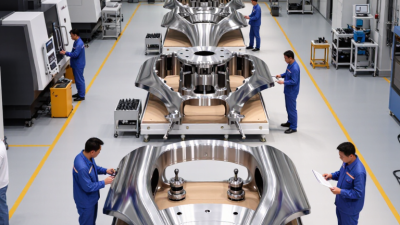
Aerospace fixtures hold parts in repeatable positions during drilling, riveting, bonding, and inspection. Common examples include assembly jigs, drill guides, composite layup molds, and checking fixtures. A wing-panel jig may use adjustable supports to keep skin, ribs, and fastener holes aligned. Small datum errors can travel through a large assembly.
Their purpose is more than holding work still. Well-designed fixtures control geometry, reduce handling, and give technicians clear access to tools and measurement points. They must also suit the material: composite panels and aluminum structures respond differently to clamping pressure and temperature. The 2024–2034 Global Fleet and MRO Market Forecast projects the commercial fleet will grow from about 28,400 aircraft in 2024 to 36,400 in 2034. That outlook makes repeatable production and repair tooling increasingly important.
Applications range from fuselage and wing assembly to engine-part inspection and cabin installation. ICAO’s 2023 Annual Report records global air traffic at 94.1% of its 2019 level, underscoring the sector’s recovery. Still, no fixture fits every line. Custom tooling can improve accuracy, but it may add changeover time and maintenance needs. That trade-off is easy to overlook. Buyers should check access, calibration requirements, material compatibility, and expected production volume before choosing a design.
Criteria for Evaluating Aerospace Fixture Manufacturers
Aerospace fixture manufacturers should be assessed on more than quoted price and delivery date.
Check whether they can hold specified tolerances, document material batches, and provide calibrated inspection results. Ask for evidence. Review sample inspection reports, nonconformance records, and revision histories. A fixture may look solid on a shop floor yet shift under repeated clamping; request repeatability data from realistic operating conditions. The FAA’s 2024 Aerospace Forecast projects U.S. passenger enplanements will grow about 2.4% annually through 2044. That forecast is not a fixture-demand measure, but it signals sustained pressure on aviation supply chains and makes credible capacity planning worth checking.
Evaluate engineering support and change control, too. Ask how the supplier validates a new fixture, handles design changes, and protects traceability from raw stock to final inspection. Small details matter. For a large assembly, inspect how the fixture supports access, operator safety, and consistent part location—not just whether it meets a drawing. Compare lead-time promises with actual delivery records and ask what happens when a critical component is delayed. Site visits can reveal practical issues that brochures miss: crowded inspection areas, unclear tool identification, or undocumented workarounds. No checklist catches everything. I would still treat polished documentation cautiously until it matches observed shop practice and measured results.
Profiles of Ten Manufacturers Serving Global Buyers
Global buyers need more than a polished catalog when comparing aerospace fixture manufacturers.
These ten profiles highlight different capabilities, not a verified ranking. A precision-machining shop builds modular drill fixtures for repeatable hole locations. A heavy-structure specialist handles large assembly jigs, where floor space and shipping dimensions matter. A composite-tooling maker focuses on stable surfaces and controlled heating. A portable-fixture supplier designs templates technicians can carry between work areas.
A metrology-focused manufacturer integrates reference points for inspection and alignment. An engine-tooling specialist supports close-tolerance parts and provides traceable inspection records. A prototype shop adapts quickly when drawings change, though delivery schedules may vary. A high-volume producer emphasizes repeatable builds across multiple production cells.
Fit matters most.
A maintenance-fixture maker creates supports for access, removal, and repair tasks. An export-oriented integrator coordinates documentation, protective packing, and freight details.
Ask for evidence.
Buyers can request sample inspection reports, calibration records, and clear revision histories before placing an order. A neat catalog still tells only part of the story. Check how the supplier handles engineering changes, replacement components, and questions across time zones. No fixture fits every plant. One practical test is to review a drawing together and see whether the proposed datum points match the buyer’s actual setup.
Comparing Technical Capabilities, Certifications, and Regional Reach
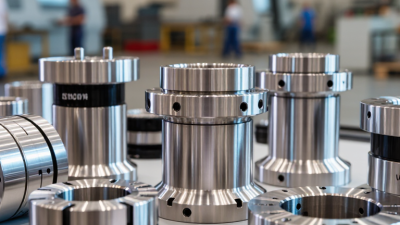
Aerospace fixture suppliers differ less by catalog size than by how reliably they hold critical geometry. Compare machining envelopes, achievable tolerances, material experience, and inspection methods. A fixture with several locating pins may look simple, yet small alignment errors can affect an entire assembly. Ask how suppliers verify datums and record inspection results. Fit matters.
Certifications provide useful evidence, but their scope needs checking. Confirm that an aerospace quality certificate covers the proposed site and work, not just another facility. Review first-article inspection practices, material traceability, calibration records, and how nonconforming parts are handled. These details reveal more than a certificate displayed on a website. Regional reach matters too: local engineering support can speed drawing reviews, while shipping distance may affect installation and service.
Compare suppliers using the same drawing package and acceptance criteria. Ask for examples of comparable fixture work, redacted inspection records, and realistic delivery plans. Check whether the team can support revisions after production begins. One limitation is that public information rarely shows actual shop-floor consistency; a capability statement cannot prove repeatability. An in-person audit or a carefully scoped trial may expose gaps, though both require time and budget.
Top 10 Aerospace Fixture Manufacturers for Global Buyers
Certification editions are useful reference points when evaluating aerospace suppliers. This chart shows publication years—not manufacturer rankings or claims of certification.
AS9100 Rev D was published in 2016. The editions shown for ISO 9001 and ISO 14001 are from 2015; ISO 45001:2018 is the occupational health and safety management systems standard.
How to Select a Manufacturer for Your Project Needs
Selecting an aerospace fixture manufacturer starts with the part, process, and inspection requirements—not a sales brochure. Share drawings, target tolerances, materials, machine interfaces, and expected production volume. Ask how the team verifies alignment and repeatability, and request sample inspection records where appropriate. A fixture that holds a component securely but blocks tool access may create problems on the shop floor. Small details matter.
Compare engineering support, quality controls, delivery planning, and communication across time zones. Confirm whether the manufacturer can document material certifications, revisions, and inspection results. Ask who handles design changes and how they are approved. A polished quotation is not proof of capability. It is easy to overvalue price or promised lead time; check assumptions before committing.
Tips: Request a design review before production. Clarify acceptance criteria in writing. Discuss packaging and shipping protection for precision surfaces. If the project is new, consider a prototype or first-article review. Keep the conversation specific. A vague answer about tolerance control deserves a follow-up question, even when the schedule feels tight.