65337ed57a

Leave Your Message

How to Choose Aerospace Fixtures for Global Sourcing

Choosing Aerospace Fixtures for global sourcing is not simply a price comparison. It is a decision about repeatability, traceability, safety, and long-term production stability. A fixture may look strong on a supplier’s website, yet fail after repeated loading, temperature changes, or rushed maintenance.

Aerospace manufacturing expert Kevin Michaels has stated, “Precision is not a feature; it is the foundation of aerospace production.” This principle should guide every sourcing conversation. Buyers need clear evidence, not attractive claims. Ask for material certificates, dimensional inspection reports, calibration records, and documented change controls. Review how the supplier protects datum points during machining, transport, and installation.

Details matter. A locating pin with poor surface finish can create positional drift. A fixture shipped without protective packaging may arrive with damaged alignment surfaces. These problems are avoidable, but not always avoided.

Global sourcing adds another layer of risk. Communication gaps, inconsistent drawings, time-zone delays, and unclear acceptance criteria can quietly increase costs. Define tolerances, inspection methods, delivery milestones, and responsibility for nonconforming parts before placing an order. An experienced supplier should explain its process plainly.

Still, no sourcing plan is perfect. Forecasts change. Drawings evolve. A supplier that performs well on one fixture may struggle with a more complex assembly. That possibility deserves attention.

The strongest approach combines technical audits, sample evaluation, controlled documentation, and realistic cost analysis. Price matters. It is not the whole decision. Reliable Aerospace Fixtures support safer assembly, smoother production, and greater confidence across international supply chains.
How to Choose Aerospace Fixtures for Global Sourcing

Define Aerospace Fixtures and Their Role in Global Sourcing

How to Choose Aerospace Fixtures for Global Sourcing

Define Aerospace Fixtures and Their Role in Global Sourcing

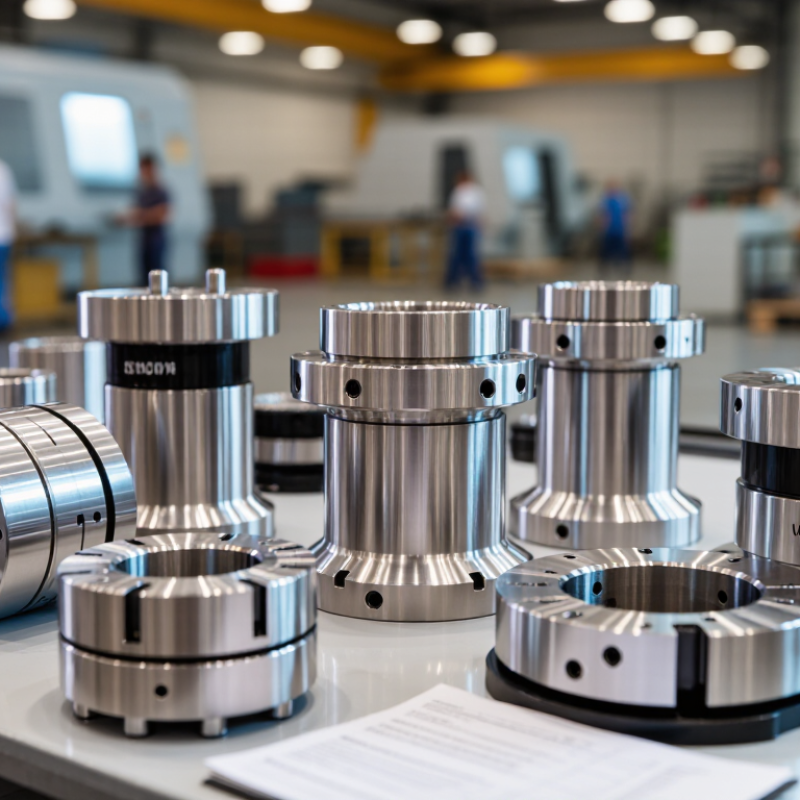
Aerospace fixtures are custom tools that hold, align, drill, or inspect aircraft parts during production. They support repeatable work on panels, brackets, frames, and cabin components. A fixture may use locating pins, clamps, adjustable supports, or inspection references. Its purpose is simple: keep each part in the correct position.

In global sourcing, fixtures connect engineering requirements with factory execution. A supplier may work thousands of miles from the design team. Clear drawings, material specifications, tolerance limits, and inspection records reduce avoidable errors. From practical sourcing work, I have found that small details matter. A poorly defined datum can create rework, shipping delays, and difficult acceptance discussions. Aerospace fixtures should also support traceability and documented quality processes. Requirements may include dimensional verification, surface protection, calibration control, and compatible materials. The exact needs depend on the part, process, and applicable aviation standards.

Tips: Request a fixture concept before production begins. Ask how operators will load the part and verify alignment. Check whether the design allows maintenance and replacement of wear components. Confirm packaging for overseas transport. Wooden crates, shock protection, and corrosion control are not minor issues. They can decide whether the fixture arrives ready for use. A useful question is, “What could fail after the first hundred cycles?” The answer may expose weak clamps or difficult inspection access. No design is perfect. Teams should review trial results honestly and adjust the fixture before full-scale sourcing.
Identify Technical, Regulatory, and Application Requirements

How to Choose Aerospace Fixtures for Global Sourcing

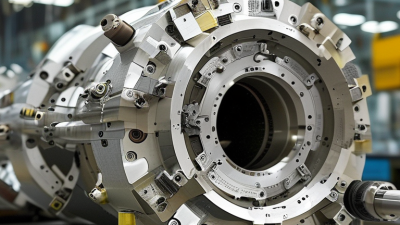
Choosing aerospace fixtures for global sourcing starts with the part, not the supplier catalogue. In practice, I map the application first. Define the component’s material, geometry, weight, machining forces, and access points. A thin aluminum panel may need distributed support, while a titanium bracket requires strong clamping and controlled contact pressure. Record datum references, allowable movement, surface-protection needs, and expected production volume. Small gaps can create major alignment errors.

Technical requirements should include tolerance limits, fixture repeatability, load capacity, thermal expansion, and corrosion resistance. Request material certificates, inspection records, calibration evidence, and dimensional reports. Confirm how the fixture will be maintained after delivery. A clear acceptance test is essential. Measure critical datums with calibrated equipment before shipment and after installation. I once focused too heavily on initial accuracy and underestimated adjustment time. That oversight affected production planning.

Regulatory requirements also influence the sourcing decision. Check applicable aviation standards, export controls, customs documents, worker-safety rules, and local installation requirements. Ask whether design records, revision histories, and traceability data will remain available. Suppliers should explain their quality system and nonconformance process without vague promises. Review packaging, preservation, and transport conditions for long-distance delivery. A fixture may meet the drawing yet fail during installation because lifting points or floor restraints were ignored. Global projects need practical evidence, not attractive specifications.

Evaluate Materials, Precision, Quality Systems, and Supplier Capabilities

How to Choose Aerospace Fixtures for Global Sourcing

Choosing aerospace fixtures requires more than comparing prices. Material selection affects stability, weight, corrosion resistance, and service life. Aluminum fixtures are light and practical for handling. Steel offers greater rigidity during heavy machining. In demanding environments, surface treatment may reduce wear and contamination risks. I have found that the best material depends on the aircraft component, process temperature, clamping force, and cleaning method. A perfect material on paper can still fail in daily production.

Precision needs measurable evidence. Ask for tolerance data, inspection reports, calibration records, and first article inspection procedures. Critical locating surfaces should remain stable after repeated loading. Supplier quality systems also matter. Document control, nonconformance handling, traceability, and corrective action show how problems are managed. Certification can support confidence, but it cannot replace factory visits or sample evaluation. My judgment is not always perfect. Small communication gaps have caused larger delays than expected. Supplier capability includes engineering support, machining capacity, inspection equipment, lead-time control, and clear technical communication. Confirm who approves design changes. Confirm who owns the inspection data.

Tips: Request a fixture sample or detailed inspection plan before ordering. Check measurement uncertainty, not only stated tolerance. Review packaging for long-distance transport. Ask how replacement parts will be produced years later. A low initial quote may hide weak documentation or limited support. Ensure drawings, revision history, and acceptance criteria are understood by every party.

Compare Costs, Lead Times, Logistics, and International Trade Factors

Choosing aerospace fixtures globally requires more than comparing unit prices. In my sourcing work, the cheapest quotation often hides tooling changes, inspection charges, and packaging requirements. Ask suppliers for a costed bill of materials, fixture validation scope, and spare-part pricing. Request currency, payment terms, and quotation validity in writing. Small details matter. A fixture priced 20 percent lower may become expensive after engineering revisions and local rework.

Lead time should include design approval, material procurement, machining, surface treatment, inspection, and export preparation. A supplier promising eight weeks may mean eight weeks after drawings are frozen. Confirm each milestone and identify the approval owner. For urgent programs, paying for a second inspection shift may help, but it can also increase errors. I have seen schedules fail because one calibration report was missing. Build realistic buffer time, not optimistic promises.

Logistics planning should cover crate dimensions, shock protection, lifting points, insurance, and delivery to the actual production site. Compare air and sea freight using total landed cost, not freight alone. International trade adds classification, origin documents, duties, taxes, and customs broker fees. Verify requirements with qualified trade professionals because rules vary by route and product. Keep technical descriptions consistent across invoices and packing lists. This is easy to overlook. A pre-shipment document review can prevent costly delays, although it cannot eliminate every customs risk. Review the plan after each shipment and record what went wrong.

How to Choose Aerospace Fixtures for Global Sourcing - Compare Costs, Lead Times, Logistics, and International Trade Factors

Fixture Type Typical Aerospace Use Common Materials Indicative Unit Cost
(USD)
Typical Lead Time Estimated Packed Size / Weight Best Transport Mode Key International Trade Factors Global Sourcing Priority
Drill and Assembly Jig Hole drilling, fastening, alignment, and repeatable subassembly work Aluminum, tool steel bushings, stainless steel hardware, polymer locator pads $2,000–$8,000 3–6 weeks 0.5–1.5 m; 15–80 kg Air freight for urgent orders; ocean or consolidated freight for standard orders Confirm tariff classification, country of origin, dimensional documentation, and any controlled-technology restrictions Short lead time, repeatability, replaceable wear parts
Precision Assembly Fixture Fuselage, wing, cabin, or systems installation with tight datum control Hard-anodized aluminum, stainless steel, precision-ground steel, engineering plastics $8,000–$30,000 6–12 weeks 1–3 m; 80–400 kg Ocean freight for large frames; air freight for compact, high-value components Use moisture protection and shock indicators; verify export-control status when design data is transferred internationally Accuracy certification, inspection records, packaging, and installation support
Composite Lay-Up Tool or Mold Composite panel forming, curing, trimming, and repeatable laminate positioning Invar or steel for low thermal expansion; aluminum, nickel tooling alloy, or high-temperature composite materials $25,000–$150,000+ 10–24 weeks 1–6 m; 200–3,000 kg Ocean freight, flat-rack, or specialized project cargo depending on dimensions Oversized-cargo permits, lifting plans, crate fumigation requirements, and thermal-property documentation may apply Thermal expansion, surface finish, vacuum integrity, and dimensional stability
Inspection Fixture Coordinate measurement, optical inspection, contour checking, and first-article verification Granite or steel base, aluminum structure, hardened locating elements, polymer contact surfaces $10,000–$50,000 8–16 weeks 0.8–3 m; 100–1,000 kg Ocean freight for heavy bases; air freight for smaller precision assemblies Calibration certificates, measurement-system traceability, wooden-crate compliance, and insurance coverage are important Calibration, environmental protection, datum definition, and measurement uncertainty
Welding or Brazing Fixture Repeatable positioning for brackets, ducting, tubing, and metallic subassemblies Heat-resistant steel, stainless steel, copper-alloy contact areas, ceramic or composite insulation $6,000–$25,000 5–10 weeks 0.8–2.5 m; 50–500 kg Consolidated ocean freight for standard builds; air freight for urgent small fixtures Check material declarations, steel or aluminum origin rules, restricted chemical content, and applicable safety documentation Heat resistance, distortion control, access for tooling, and serviceability
Modular Production Fixture Low-to-medium volume production with interchangeable locators and changeover capability Aluminum plates, steel modular tooling, standardized pins, clamps, and replaceable inserts $12,000–$60,000 6–14 weeks 1–4 m; 100–800 kg Ocean freight for complete systems; air freight for locator kits and replacement parts Separate replacement parts from the main shipment when possible; confirm duties, temporary-import options, and local installation requirements Flexibility, spare-part availability, changeover time, and total lifecycle cost
Electronic or Hydraulic Test Fixture Functional testing of avionics, actuators, valves, pumps, and integrated systems Aluminum or steel frame, electrical components, sensors, hydraulic fittings, protective enclosures $20,000–$120,000+ 12–28 weeks 1–3 m; 150–1,200 kg Air freight for sensitive electronics; ocean freight for robust enclosures and frames Electrical safety approvals, dual-use screening, encryption controls, lithium-battery rules, and local voltage requirements may apply Documentation, software configuration, cybersecurity, service support, and acceptance testing
Planning Notes: Cost and lead-time figures are representative planning ranges for custom aerospace fixtures and exclude tooling design changes, qualification testing, taxes, duties, installation, and expedited freight. Actual pricing depends on tolerance, size, material, certification requirements, production quantity, inspection scope, and destination. Import classification and export-control treatment must be confirmed for each design, shipment route, and transaction.

Select, Audit, and Manage the Aerospace Fixture Supplier

How to Choose Aerospace Fixtures for Global Sourcing

Selecting an aerospace fixture supplier requires more than comparing prices. IATA’s 2024 passenger demand report recorded a 10.4% annual increase, adding pressure to production capacity. Your supplier must prove repeatable quality, not simply promise faster delivery. Request capability studies, material certificates, calibration records, and recent first-article inspection reports. AS9100 certification is useful, but it should not replace a site audit.

During the audit, inspect the factory floor closely. Check how operators identify parts, control revisions, and protect sensitive drawings. Ask to see nonconformance records. A clean workshop can still hide weak corrective action. Review subcontractor controls, measurement uncertainty, and emergency capacity. Deloitte’s 2024 Global Aerospace and Defense Industry Outlook highlights supply-chain resilience as a major industry priority. That makes dual sourcing valuable, although qualifying two suppliers can increase engineering workload.

Manage the supplier with visible metrics. Track on-time delivery, first-pass acceptance, corrective-action closure, and engineering-change response time. Hold quarterly reviews with production, quality, and engineering teams. Use controlled digital records for fixture drawings and inspection results. Keep a small sample fixture for comparison during incoming inspection. An uncomfortable lesson remains: a fixture may meet its drawing and still slow assembly. Worker feedback matters. Recheck the design after the first production cycle, because assumptions often fail on the shop floor. Set escalation rules before a delay becomes urgent.

How to Choose Aerospace Fixtures for Global Sourcing

Select, Audit, and Manage the Aerospace Fixture Supplier

A balanced supplier assessment should prioritize quality and technical capability while maintaining strong controls for traceability, delivery reliability, cost, and sustainability. The weighting shown here is a practical sourcing framework for comparing qualified aerospace fixture suppliers during selection, audit, and ongoing performance management.