How to Choose the Right Optical Dividing Head for Your Needs?
When selecting the right Optical Dividing Head for your projects, understanding the nuances is essential. Expert James Thompson, a seasoned professional in precision machining, emphasizes, "The right optical dividing head can transform accuracy in your designs." This statement reflects the importance of making an informed choice.
Optical Dividing Heads play a crucial role in achieving precision angles and high-quality finishes. Different models cater to diverse needs, such as rotary tables or CNC applications. Evaluating your specific requirements, such as accuracy level and compatibility with existing equipment, cannot be understated. It’s vital to consider practical details. Think about the materials you will work with and the types of projects you will undertake.
However, the market can be overwhelming. A product may look perfect on paper, but it might not suit your workflow. It’s crucial to weigh both expert recommendations and user reviews. Reflect on your experiences. Sometimes, the most expensive models do not always provide the best value. Take time to research and feel confident in your choice. The right Optical Dividing Head can significantly enhance your machining tasks.
Understanding Optical Dividing Heads: A Comprehensive Overview
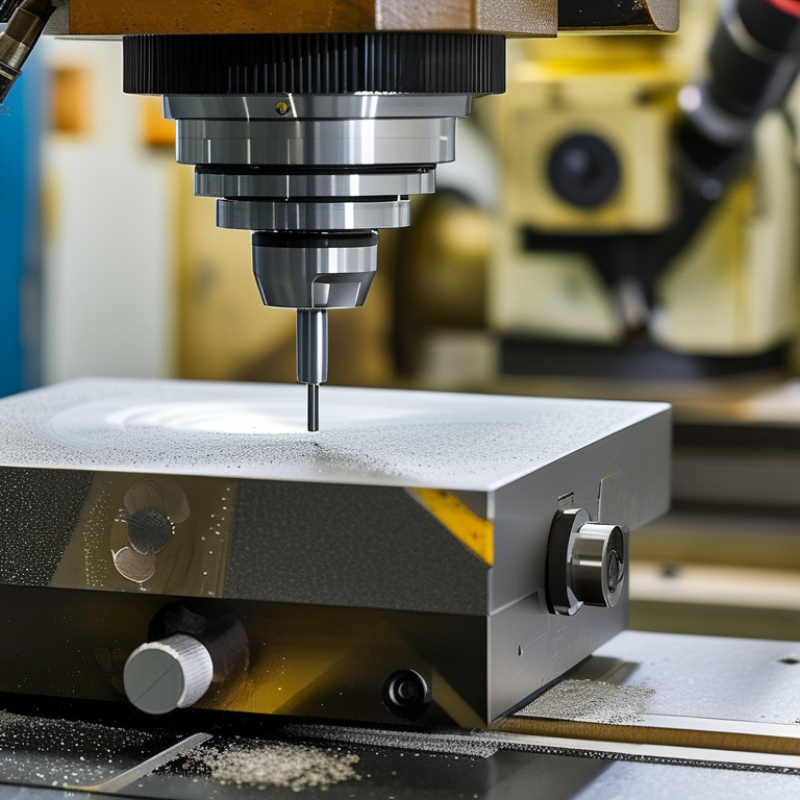
Optical dividing heads are essential tools in precision machining. These devices facilitate complex cutting tasks by dividing angles accurately. Understanding their mechanics can significantly enhance operational efficiency. For instance, studies indicate that precision machining operations can achieve a reduction in setup time by up to 25%, directly impacting productivity. An optical dividing head can streamline workflows by simplifying angular positioning.
When selecting an optical dividing head, consider factors like resolution and repeatability. A head with higher resolution allows for finer adjustments. According to industry reports, devices with a resolution of 1 arcsecond offer significant advantages for intricate tasks. However, not all operations require such precision. Reflecting on operational needs can lead to more informed choices.
Despite advances in technology, challenges remain. Some operators report difficulties in calibration, especially in high-precision environments. Regular maintenance schedules and proper training for personnel can mitigate these issues. Emphasizing training elevates competency and enhances user experience with optical dividing heads. Ultimately, understanding the intricacies of these devices leads to better decision-making and improved machine performance.
Key Factors to Consider When Choosing an Optical Dividing Head
Choosing the right optical dividing head is crucial for precision work. Several factors can influence your decision. First, consider the accuracy required for your projects. Different applications demand varying levels of precision. An optical dividing head with high accuracy will significantly enhance your outcomes.
Next, think about the size and weight of the head. A lightweight design may be beneficial for portability, but larger setups might offer stability for heavy workpieces. Balance is important. If you handle diverse projects, seek versatility in the design. It’s a common pitfall to overlook future needs, which can lead to frustration later.
Furthermore, pay attention to the construction material. Some materials may be more durable than others. This affects both reliability and long-term performance. Reflect on your typical work environment. A head exposed to harsh conditions might require more robust features. Each choice involves trade-offs, and being aware of them can guide you towards the best fit for your specific needs.
Types of Optical Dividing Heads and Their Applications
Optical dividing heads are essential tools in precision machining and manufacturing. They allow for precise angular positioning and can improve the efficiency of your work. There are different types available, each suited for specific applications. Understanding these types can help you make an informed choice.
The two main types are manual and automatic optical dividing heads. Manual models require the operator to set the angles manually. These heads are ideal for simpler tasks and smaller operations. They offer greater control, but they also demand more skill. Automatic models, on the other hand, provide more efficiency in high-volume production. They require less hands-on operation, which can save time and reduce human error.
In addition, some heads are designed for specific tasks. For example, some are best for machining gears. Others excel in creating intricate patterns. Choosing the wrong type can lead to flawed workpieces. Evaluate your specific requirements before making a decision. Each type has advantages and downsides that could impact your processes.
Evaluating Precision and Accuracy in Optical Dividing Heads
When selecting an optical dividing head, precision and accuracy are paramount. These two aspects determine how effectively your division tasks will be accomplished. Precision refers to the repeatability of measurements, while accuracy relates to how close these measurements come to the true value. A dividing head with high precision ensures that your settings yield consistent results, which is crucial for tasks that require intricate details.
Tips: Always check the specifications of the dividing head. Look for information on tolerance levels. Understand the measurement systems in use. They can vary significantly in terms of performance.
An optical dividing head should also feature clear and easy-to-read scales. This ensures that adjustments can be made accurately. Calibration is essential; any quirks in the setup might compromise your work. Be mindful that external factors, such as temperature and vibration, can affect measurements. It’s wise to reflect on these issues to improve your workflow.
Tips: Keep a record of calibration checks. Regular adjustments can enhance accuracy. Consider the environment where your head will be used. This knowledge can guide you in making a well-informed choice.
Budget and Price Considerations for Optical Dividing Heads
When selecting an optical dividing head, budget plays a crucial role. Prices vary widely, reflecting features and quality. A high-end model may boast superior precision, but does it fit your needs? Consider what you genuinely require. Sometimes, a simpler model suffices for basic tasks.
Think about long-term costs too. Some lower-priced units may save you money upfront but lack durability. Maintenance expenses can accumulate rapidly. On the other hand, investing in quality often pays off through better performance and fewer repairs. Analyze your specific applications before making a decision.
Be aware of hidden costs as well, such as accessories or additional features. These add up quickly. It's wise to set a budget but remain flexible. Sometimes, stretching a bit more can significantly enhance your productivity. Always weigh the features against the cost to find the right balance for your situation.
How to Choose the Right Optical Dividing Head for Your Needs
| Features |
Budget Range (USD) |
Precision Level |
Ideal for |
| Basic Dividing Head |
$150 - $300 |
Low Precision |
Hobbyists & Small Workshops |
| Standard Dividing Head |
$300 - $600 |
Medium Precision |
Machinists & Small to Medium Businesses |
| High-Precision Dividing Head |
$600 - $1000 |
High Precision |
Large Enterprises & Precision Engineering |
| CNC Dividing Head |
$1000 - $2000 |
Very High Precision |
Automated Manufacturing |