How to Choose the Best Fixture Tools for Your Projects?
Choosing the right fixture tools can significantly impact the success of your projects. Renowned industry expert, John Mitchell, once stated, "The right tools can transform an idea into reality." This highlights the importance of selecting high-quality fixture tools for efficient outcomes.
When navigating the vast selection of fixture tools, consider your specific needs. There are different types in the market, each designed for varied tasks. For instance, pneumatic fixtures are ideal for high-speed applications, while manual options give more control for detailed work. Understanding these subtleties will guide you in making informed choices.
Moreover, it's essential to reflect on your experiences with fixture tools. Not every tool will meet your expectations, and some may fall short of performance. A tool that seems perfect might not suit your project requirements upon use. This trial-and-error process is crucial in honing your skills and understanding the role fixture tools play in achieving project goals. The journey to finding the best fixture tools involves ongoing learning and adaptation.
Understanding the Different Types of Fixture Tools Available
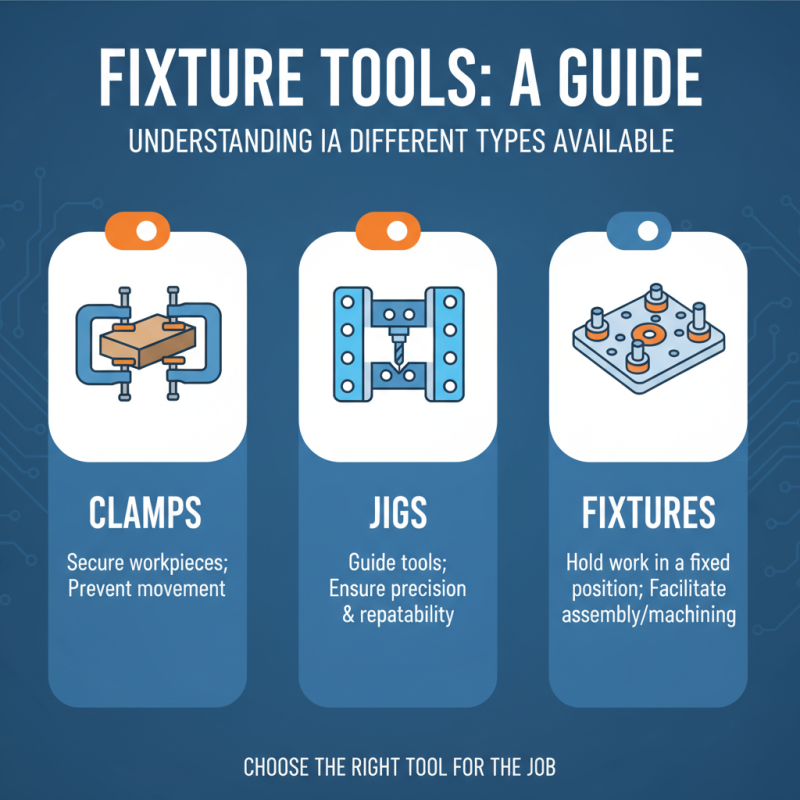
When choosing fixture tools for your projects, it's essential to understand the various types available. Fixture tools come in many forms, including clamps, jigs, and fixtures designed for specific tasks. Each type serves a unique purpose, making it vital to select the right one for your needs.
Clamps are versatile tools. They hold workpieces firmly in place, ensuring precision and safety. When working on intricate designs, a well-positioned clamp can make a difference. Consider the size and strength of the clamp. Some projects may require smaller, more detailed clamps, while others need larger ones for heavy materials.
Jigs are another category worth noting. They guide tools during operations, helping create uniform cuts or holes. A good jig can simplify complex tasks, but it might take time to build a custom one. Always measure twice before cutting. This ensures that your jig fits perfectly. It’s easy to make errors that can lead to wasted materials.
Finally, specialized fixtures cater to specific industry needs, like automotive or woodworking. They help improve workflow and maintain consistency. However, investing in these tools requires careful consideration of your project's demands. Avoid impulsive purchases; they may not always fit your requirements. Always seek advice from experienced users when uncertain. This approach can save time and resources.
Evaluating Your Project's Specific Needs and Requirements
When embarking on a project, understanding your specific needs is crucial. Consider the scope and complexity of your work before selecting fixture tools. For example, simple repairs might require basic hand tools, while large-scale installations need specialized equipment. Evaluating the project's demands helps identify essential tools to ensure efficiency and safety.
Think about the materials you'll work with. Different materials often need specific fixtures for optimal performance. Wood, metal, and plastic can all require different tool types. It's also essential to assess your skill level. Are you experienced or a beginner? Overestimating your abilities can lead to mistakes and increase costs. Reflect on past projects to guide your choices.
Lastly, budget constraints can shape your decisions. Quality tools may come at a higher price, yet cheaper options can lead to subpar results. Weigh the benefits against potential setbacks. It’s important to invest wisely and consider long-term value rather than immediate savings. Balancing all these factors will lead you to the right tools tailored for your unique project needs.
Tool Usage in Different Project Types
Key Features to Look for in High-Quality Fixture Tools
When selecting fixture tools, focus on essential features that ensure precision and durability. Look for high-quality materials like stainless steel or heavy-duty aluminum. These materials withstand wear and tear, crucial for long-term projects. A recent industry report highlights that tools made from high-quality materials can last up to 50% longer than standard options.
Adjustability is another vital aspect. Tools should easily accommodate various sizes and shapes. This flexibility allows for more versatile applications, enhancing efficiency. Evidence suggests that adjustable fixtures improve productivity by up to 30% in many workshops.
Tips for choosing the right fixture tools:
- Always check for user reviews and expert recommendations.
- Look into manufacturer warranties and support services.
- Pay attention to ergonomics; tools should feel comfortable during use.
- Consider your specific project needs before making a final decision.
This approach leads to
better outcomes and saves time in the long run.
Comparing Brand Reputation and Customer Reviews
When selecting fixture tools for any project, customer reviews hold significant weight. Reviews reveal users' real experiences, highlighting both benefits and drawbacks. According to a study by the Tool Research Institute, over 70% of consumers trust peer reviews more than traditional advertising. This makes evaluating feedback critical for making informed choices.
Brand reputation also plays a crucial role. Research indicates that tools from well-regarded brands often show higher customer satisfaction rates. A recent report from the Professional Tools Survey revealed that reputable brands maintained up to a 90% positive feedback rating. However, even popular brands face criticism. Some users express frustration over durability, which prompts thoughtful consideration before purchasing.
It's essential to weigh both the positive and negative aspects in reviews. An overwhelming number of stars does not always guarantee quality. Detailed reviews discussing long-term usage are particularly valuable. Buyers should look for comments on tool performance over time. This insight can lead to better project outcomes. Remember, a well-informed choice can save both time and resources in the long run.
How to Choose the Best Fixture Tools for Your Projects? - Comparing Brand Reputation and Customer Reviews
| Criteria |
Rating (out of 5) |
Number of Reviews |
Durability (Years) |
Price Range ($) |
| User-Friendly Design |
4.5 |
250 |
5 |
50-100 |
| Build Quality |
4.2 |
180 |
3 |
30-80 |
| Customer Satisfaction |
4.8 |
320 |
7 |
70-120 |
| Warranty Period |
4.0 |
150 |
2 |
40-90 |
| Availability of Parts |
4.4 |
260 |
5 |
60-110 |
Budgeting for Your Fixture Tool Investment Strategies
When budgeting for fixture tools, careful planning is essential. Start by assessing your project needs. Consider the types of materials you'll work with and the complexity of tasks. This will help determine which tools you truly require. Don't fall for the temptation to overspend on high-end tools. Sometimes, a mid-range option serves the purpose just as well.
Allocate funds wisely. Set aside a portion of your budget for essential tools first. If you find some tools on sale, consider investing in additional items. Evaluate your purchases regularly to ensure they meet your project demands. This approach prevents wasting money on tools that collect dust when unused.
Keep in mind that high cost doesn't always equate to higher quality. Research is necessary, as many reliable options exist without the hefty price tag. Seek advice from experienced professionals in your network. They can provide insights on what is worth the investment. Reflect on your purchases after each project. Did they serve you well? Was the expense justified? This process will improve your budgeting strategy for future projects.