What is Aerospace Fixtures and How Do They Impact the Industry?
Aerospace fixtures play a crucial role in the aerospace industry, affecting production efficiency and safety. Dr. Emily Carter, an expert in aerospace engineering, once stated, "Aerospace fixtures are the backbone of precision in aircraft manufacturing." This emphasizes their importance in ensuring that components are accurately aligned and securely held during production.
These fixtures support various processes, from assembly to testing. They contribute to streamlined workflows, reducing time and costs. However, the challenges in designing effective aerospace fixtures are significant. Designers must balance complexity and usability, often facing tight tolerances and specific material needs. This can lead to trial-and-error adjustments, questioning the initial designs.
Moreover, as technology evolves, so too must aerospace fixtures. New materials and designs emerge continually. This requires ongoing education for engineers and technicians. The industry needs to adapt while maintaining safety and quality standards. As manufacturing advances, embracing these changes is vital for future successes in aerospace fixtures and overall industry growth.
Definition of Aerospace Fixtures and Their Role in Manufacturing
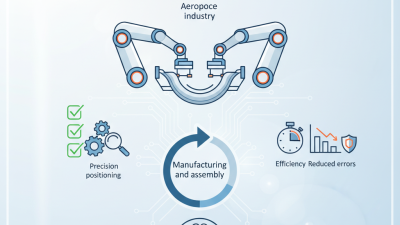
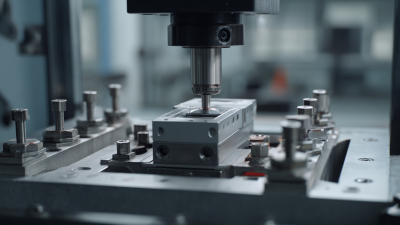
Aerospace fixtures are critical tools in manufacturing processes for the aerospace industry. They ensure that components are held securely during machining and assembly. This stability allows for high precision and accuracy in creating complex parts. Such fixtures play a vital role in minimizing errors, which can be costly and dangerous in aerospace applications.
These tools can take various forms, from simple clamps to intricate custom designs. Each fixture is specifically tailored to meet the demands of particular components. Properly designed fixtures help streamline production, reducing cycle times. However, designing effective aerospace fixtures is not always straightforward. Engineers must balance complexity and functionality. Each decision can significantly impact production quality and efficiency.
The industry often faces challenges in fixture design. For instance, materials must withstand extreme conditions. Yet, maintaining a lightweight structure is crucial. These conflicting needs require constant innovation and adaptation. Engineers must evaluate trade-offs carefully and continuously seek improvements. This ongoing reflection is essential for advancing aerospace manufacturing processes.
What is Aerospace Fixtures and How Do They Impact the Industry?
| Dimension |
Description |
Impact on Industry |
| Material Type |
Various materials including aluminum, titanium, and composites |
Selection of materials affects strength, weight, and manufacturing efficiency |
| Precision |
Fixtures must be precise to ensure parts fit correctly in assembly |
Reduces waste and enhances overall product quality |
| Customization |
Fixtures are often tailored to specific designs and production runs |
Facilitates flexibility and adaptability in manufacturing processes |
| Automation |
Integration with automated systems for enhanced efficiency |
Improves throughput and reduces labor costs |
| Testing |
Fixtures are used in testing phases for accuracy and stability |
Ensures high reliability and safety of aerospace components |
Types of Aerospace Fixtures Used in the Industry
Aerospace fixtures play a vital role in the manufacturing and assembly processes of aircraft and spacecraft. These specialized tools ensure precision and efficiency. There are several types of aerospace fixtures, each designed for specific applications.
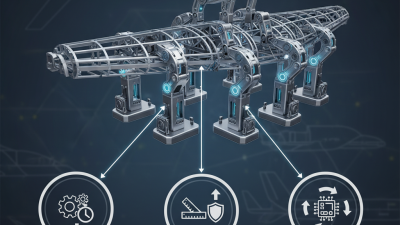
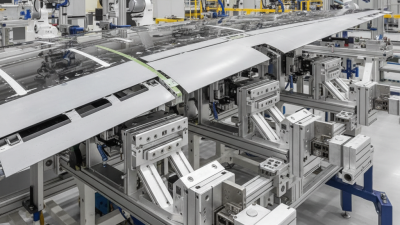
One common type is the assembly fixture. These fixtures help to align components correctly during assembly. They provide support and stability, which are crucial for maintaining accuracy. Another type is the welding fixture. This specialized tool assists in holding parts in place while they are welded together. It minimizes movement, leading to higher quality welds.
Tip: Always ensure fixtures are regularly inspected. Wear and tear can lead to errors.
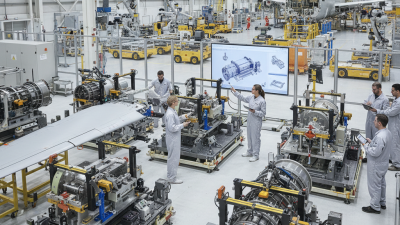
Additionally, there are tooling fixtures used for machining components. These fixtures secure parts during processes like milling and drilling. Proper fixture design can significantly reduce set-up time. This enhances overall productivity.
Tip: Investing in high-quality fixtures pays off in the long run. Consider the cost of errors when evaluating fixture quality.
In this industry, the importance of fixtures cannot be overstated. They not only impact production efficiency but also product safety and reliability. Continuous evaluation and improvement of fixture designs are essential for staying competitive.
Aerospace Fixtures Impact on the Industry
This bar chart illustrates the impact levels of various aerospace fixture types on the industry. The manufacturing process has the highest impact, followed by assembly, testing, and inspection, showing the significant role fixtures play in ensuring efficiency and quality in aerospace operations.
Benefits of Aerospace Fixtures in Aerospace Production
Aerospace fixtures play a critical role in aerospace production. These specialized tools are essential for holding components in place during manufacturing and assembly processes. The use of fixtures leads to improved precision and accuracy. When each part is securely held, it significantly reduces the chances of errors during assembly.
Moreover, aerospace fixtures enhance overall efficiency in production. They simplify complex processes and speed up assembly time. Workers can focus on tasks without worrying about the position of each component. This efficiency not only saves time but also decreases labor costs. The use of high-quality materials in these fixtures ensures that they withstand the demanding environments typical of aerospace manufacturing.
Challenges do arise in the design and implementation of fixtures. Each aircraft part has unique specifications, requiring tailored solutions. Flexibility in design is vital to adapt to varying component sizes or shapes. Without thoughtful engineering, fixtures may result in inefficiencies or even damage to expensive components. Finding the right balance between customization and standardization remains an area for ongoing improvement.
Challenges and Innovations in Aerospace Fixture Design
Aerospace fixture design faces unique challenges that test the limits of engineering creativity. One significant challenge is the need for precision in components that can withstand extreme conditions. Designers must consider factors like weight, strength, and heat tolerance. Complex geometries require advanced manufacturing techniques, which can complicate the production process.
Innovations are emerging to tackle these issues. For instance, the use of additive manufacturing allows for lighter fixtures with complex structures. Furthermore, integrating smart technologies can enhance monitoring and maintenance. Yet, these advancements do not come without hurdles. Manufacturers face difficulties in ensuring that new materials meet stringent safety standards. The transition to these innovations demands time and training for personnel, which is often overlooked.
Moreover, collaboration between engineering teams is essential but often lacking. Breaking down silos can enhance creativity and lead to better solutions. However, some firms remain resistant to change, clinging to outdated methods. This reluctance could hinder progress in an ever-evolving industry. Engaging in open dialogue about past failures is crucial for growth. Recognizing mistakes can drive future innovations and ultimately improve aerospace fixture design.
Future Trends and Developments in Aerospace Fixtures
The aerospace fixtures industry is undergoing significant changes. Innovations in materials and technologies are driving these trends forward.
Lightweight materials are gaining traction, enhancing efficiency and performance. Advanced composites reduce weight while maintaining strength.
This shift is vital for meeting stringent aerospace standards.
Emerging automation technologies are also making waves. Robotics is increasingly used in manufacturing processes. This can improve both precision and speed.
However, it raises questions about skill gaps in the workforce. Companies must invest in training to bridge this divide.
Sustainability is becoming a focal point, too. The industry is exploring ways to minimize environmental impact.
Eco-friendly materials and processes are essential for future developments. Yet, integrating these solutions into existing frameworks remains a challenge.
Balancing innovation with practicality is key for the industry’s progression.