What is a Welding Fixture and How Does it Work?
Welding fixtures are essential tools in the manufacturing industry. They are designed to hold and support components during the welding process. By ensuring accurate alignment, welding fixtures improve overall product quality.
In practice, a welding fixture helps to minimize errors and increase efficiency. It allows welders to focus on their craft without adjusting parts constantly. A well-designed fixture can reduce the time spent on setup. This can lead to greater productivity and lower costs.
However, designing a welding fixture is not always straightforward. It requires careful consideration of the materials, shapes, and sizes involved. Mistakes in the design phase can lead to complications later in production. Reflection on past projects highlights the importance of precision. The right welding fixture can make a significant difference in the end product.
What is a Welding Fixture: Definition and Importance in Welding
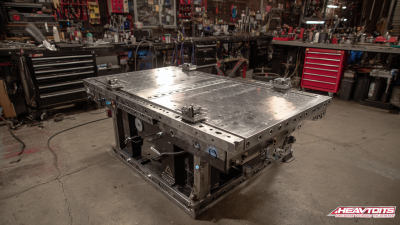
A welding fixture is a crucial tool in the manufacturing process. It holds workpieces in place, ensuring they are accurately aligned for welding. The importance of welding fixtures cannot be overstated. They enhance precision, improve weld quality, and reduce manufacturing time.
One key benefit of using a welding fixture is its ability to maintain consistency. It ensures that each weld is uniform, which is critical in producing high-quality products. However, one must also examine the design and setup of the fixture. A poorly designed fixture can lead to misalignment and defects in the weld.
Tips: Always test your fixture before full production. Minor adjustments can significantly improve performance. If a fixture causes repetitive errors, reevaluate its design. Remember that continuous improvement leads to better outcomes.
Fixture maintenance is equally important. Regular inspection helps identify wear and tear, ensuring reliable performance. Failing to maintain these tools can lead to inefficient welding processes. Take a moment to reflect on your fixture's role in your workflow. If it falls short, it might be time for a redesign or upgrade.
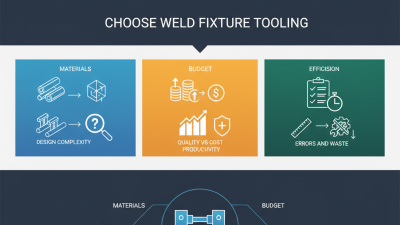
Key Components of a Welding Fixture: Design Elements and Materials
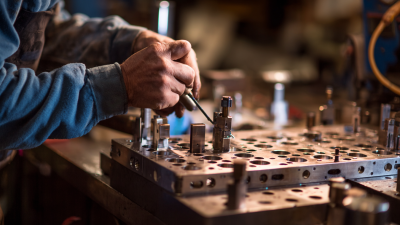
Welding fixtures play a crucial role in ensuring accurate and consistent welds in various industrial applications. Key components of these fixtures include clamping systems, locators, and supports. These elements work together to hold parts in place during the welding process. The design of a fixture must accommodate the specific geometry of the workpiece to maintain precision.
Materials used in welding fixtures are equally important. Steel is commonly chosen for its strength and durability. However, some projects may benefit from lightweight materials like aluminum. The choice of material can influence the overall performance of the fixture. Ensuring that the materials can withstand high heat and mechanical stress is essential for work efficiency.
Design elements can vary based on welding techniques. A fixture might need to be adjustable or have flexible components. It is essential to reflect on whether the current design meets operational demands. Identifying potential weaknesses can lead to improvements over time, enhancing the reliability of the fixture. Each element must work seamlessly together, yet there is often room for innovation in fixture design.
Types of Welding Fixtures: Comparing Fixed, Adjustable, and Modular Varieties
Welding fixtures play a crucial role in ensuring precision and consistency during the welding process. Among the various types, fixed, adjustable, and modular fixtures have distinct advantages and drawbacks. Fixed fixtures are highly accurate and stable. They work best for mass production of identical parts, minimizing variability. However, their rigidity can be a drawback for projects requiring design changes.
Adjustable fixtures offer flexibility, allowing for quick modifications to accommodate different part sizes and shapes. This adaptability can significantly reduce setup times. Data from industry reports indicates that companies using adjustable fixtures can boost productivity by up to 30%. However, they may not achieve the same level of accuracy as fixed fixtures, calling for a balance between flexibility and precision.
Modular fixtures represent the latest trend, combining both fixed and adjustable features. They consist of various interchangeable components, making them versatile for different welding tasks. Notably, modular fixtures can also adapt to changes in product design, which is becoming increasingly important. Yet, assembly can be time-consuming and requires skilled operators, presenting a challenge for less experienced teams.
Tip: Evaluate your production needs before choosing a fixture type. Consider both current projects and potential future requirements. This foresight can save time and costs in the long run.
The Role of Welding Fixtures in Ensuring Precision and Repeatability
Welding fixtures play a crucial role in the manufacturing process. They ensure precision and repeatability in welding tasks. This is vital, especially in industries where components must fit together perfectly. According to a report from the American Welding Society, improper fixtures can lead to up to 30% of welding defects, which increases the cost of production significantly.
In the context of welding, fixtures serve as a holding mechanism. They position components accurately, allowing for consistent seam placement. This reduces variability in the welding process. In high-volume production settings, even minor misalignments can compound errors. For instance, a study by the International Institute of Welding highlights that 75% of quality defects are related to fixture design and setup.
However, not all welding fixtures guarantee success. Poorly designed fixtures can lead to distortion during the welding process. This can create additional challenges for welders. It is essential to continually evaluate and improve fixture designs to ensure optimal performance and reduce waste. By investing in better fixturing solutions, companies can significantly enhance their production efficiency and quality.
Industry Standards and Best Practices for Welding Fixture Design and Use
When designing welding fixtures, adherence to industry standards is crucial. These standards ensure safety, precision, and efficiency. A well-designed fixture can minimize distortion during welding. It provides the necessary support to maintain part alignment. Proper clamps and supports are essential for achieving consistent results.
Best practices for using welding fixtures include regular inspections and maintenance. This ensures that the fixture remains in optimal condition. Operators should be trained in the proper setup and adjustments. A common issue arises when adjustments are made hastily, leading to misalignment. Monitoring the fixture’s performance over time reveals areas for improvement.
Another important aspect is material selection. Fixtures should be made from durable materials that withstand high heat. However, the choice of material isn’t always straightforward. Different projects may require unique specifications. Taking the time to analyze project requirements is essential for success. Addressing these variables helps in refining the design and enhancing overall welding outcomes.
Welding Fixture Usage Statistics
This bar chart illustrates the percentage of welding fixture usage across different industries. Automotive leads with the highest usage at 30%, followed by Aerospace at 25%, demonstrating the significant role of welding fixtures in these sectors.