65337ed57a

Leave Your Message

Top Aluminium Parts Manufacturers and Suppliers

Choosing reliable Aluminium Parts manufacturers and suppliers requires more than comparing prices on a website. Quality depends on alloy selection, production control, surface treatment, and inspection discipline. A supplier may offer attractive quotations, yet weak documentation can create costly problems later. This guide examines leading companies through practical criteria, including manufacturing experience, technical capability, certifications, delivery performance, and customer support.

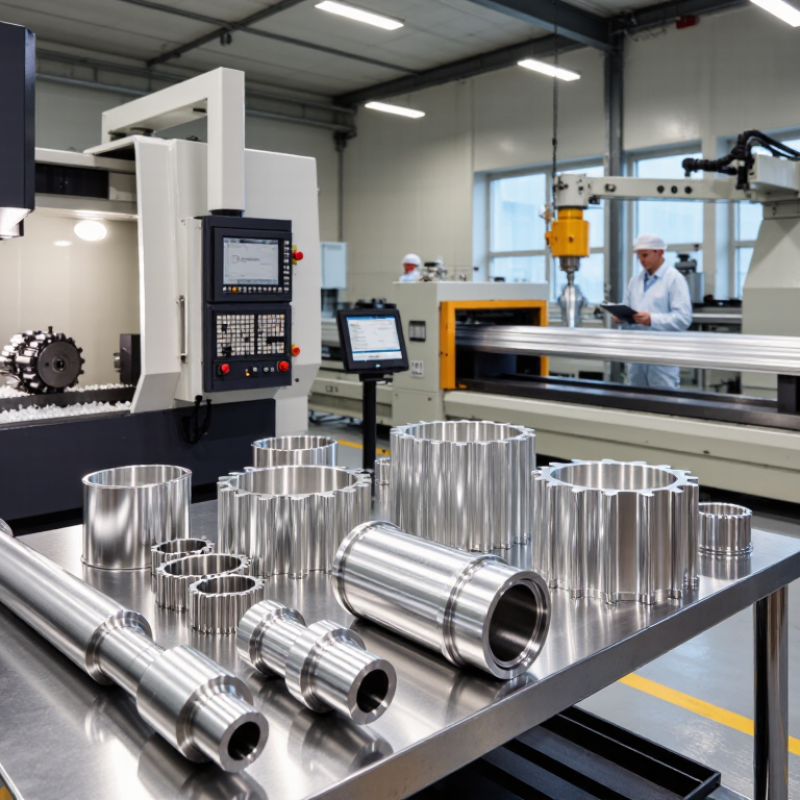
The strongest manufacturers usually explain their processes clearly. They can discuss 6061-T6 machining, 6063 extrusion, aluminum die casting, and corrosion-resistant finishes without vague promises. Their facilities may include CNC machines, extrusion presses, coordinate measuring machines, and controlled anodizing lines. Look for measurable details, such as dimensional tolerances, material certificates, batch traceability, and inspection reports. Small details matter.

Experience should remain visible in the evidence. A dependable supplier can provide representative case studies, production samples, and clear responses to engineering questions. Industry certifications can support credibility, but they should not replace independent verification. Factory audits, prototype testing, and sample approval still have value. No ranking is perfect. Supplier strengths can change with equipment upgrades, staffing, capacity, or market pressure. Delivery estimates may also look better before technical drawings are reviewed. This article therefore compares manufacturers with a balanced approach, recognizing both proven advantages and possible limitations. The goal is practical guidance for engineers, purchasing teams, and product developers seeking consistent Aluminium Parts for demanding applications.

Top Aluminium Parts Manufacturers and Suppliers

What Are Aluminium Parts and Why Are They Widely Used?

Aluminium parts are components made from aluminium alloys through machining, casting, extrusion, stamping, or fabrication. They appear in frames, brackets, housings, heat sinks, vehicle structures, and industrial equipment. It feels light. That matters.

Aluminium weighs about one-third as much as steel, helping reduce handling effort and overall product weight. Its natural oxide layer provides useful resistance against everyday moisture and air. Some alloys also offer strong performance without excessive material thickness. Extruded profiles can create long, precise shapes with internal channels. Machined parts can hold tight dimensions when tools, fixtures, and inspection methods are properly controlled. These features make aluminium practical for electrical enclosures, transport components, and thermal management parts.

Its thermal and electrical conductivity add further value. A heat sink, for example, can spread heat through thin fins, while an enclosure can remain relatively easy to lift. However, aluminium is not automatically the best choice. It can scratch, deform under concentrated loads, or react with dissimilar metals if isolation is ignored. Its lower stiffness may also require ribs or thicker walls. A reliable manufacturer checks alloy grade, dimensions, surface condition, and batch traceability before shipment. In practice, small design assumptions often cause larger problems than the material itself. Engineers should review load, temperature, corrosion exposure, and finishing requirements early. Good suppliers should explain these limits clearly, even when a simpler answer sounds more attractive.

How to Classify Aluminium Parts by Manufacturing Method

Top Aluminium Parts Manufacturers and Suppliers

How to Classify Aluminium Parts by Manufacturing Method

Aluminium parts are best classified by how material changes shape. Extruded parts begin as heated billets pushed through a die. This method suits rails, frames, heat sinks, and long profiles with constant sections. Die-cast parts use pressure to fill detailed steel dies. They fit housings, brackets, and high-volume components. Forged parts receive strong compressive force, improving grain flow for loaded shafts or suspension pieces. The International Aluminium Institute reports that aluminium remains highly recyclable, but process selection still controls cost, strength, and waste.

Machined parts are cut from cast or extruded stock. CNC milling can produce a precise cavity, though it may remove much of the original block. Sheet parts are cut, bent, punched, or deep-drawn. They work well for covers, panels, and lightweight enclosures. Additive manufacturing creates complex shapes layer by layer, but surface finish and production speed may limit wider use. According to the U.S. Geological Survey’s Mineral Commodity Summaries 2024, global primary aluminium production reached about 70 million metric tons in 2023. That scale supports broad supply, yet not every alloy or temper is equally available.

Tips: Start with load, quantity, tolerance, and surface requirements. Ask suppliers for alloy, temper, tooling, and inspection records. A perfect drawing can still hide a poor process choice. I have seen small bends expose cracking after anodizing. Review corner radii early. Also compare total cost, not only the quoted unit price.

Key Factors for Evaluating Aluminium Parts Manufacturers

Choosing an aluminium parts manufacturer requires more than comparing unit prices. Evaluate process control, material traceability, and evidence from completed work. Ask whether the supplier handles machining, die casting, extrusion, or fabrication in-house. Each process affects accuracy, surface finish, and lead time. Small details matter. Request inspection reports showing alloy grade, hardness, dimensions, and batch numbers. Reliable suppliers should explain their measurement equipment and calibration schedule. Vague answers deserve caution.

Review technical drawings with an experienced engineer before requesting quotations. A capable supplier should identify tight tolerances, thin walls, sharp corners, and difficult datums. This response reveals practical knowledge, not only sales confidence. Request a first-article sample and compare it with the approved drawing. Check hole position, flatness, burrs, threads, and anodized color under normal lighting. Photos help, but physical samples tell more.

Assess production capacity using realistic data. Can the supplier repeat quality across 100 parts, rather than only five samples? Confirm packaging, storage, nonconformance handling, and replacement procedures in writing. Clear records improve accountability when dimensions drift. Cost matters, but the cheapest quote may hide finishing or inspection fees. No checklist is perfect. Revisit the evaluation after a pilot order, especially if communication felt rushed. A dependable partner welcomes technical questions and documents design changes before production.

Leading Regions and Supplier Types in the Aluminium Parts Industry

Top Aluminium Parts Manufacturers and Suppliers

Regional strength shapes the aluminium parts market. The U.S. Geological Survey estimated global primary aluminium production at about 70 million metric tons in 2023. China supplied more than half of that volume. India, the Middle East, Russia, Canada, and Australia also remain important production centres.

Yet primary metal output does not equal machining capability. East Asia offers dense networks of extrusion mills, die casters, stamping workshops, and CNC suppliers. Europe is stronger in engineered components, automotive quality systems, and low-carbon procurement. North America combines aerospace machining, prototype production, and regional distribution. The Middle East is expanding smelting and downstream fabrication capacity. The map is not perfectly neat.

Supplier type matters as much as location. Integrated manufacturers can control alloy melting, extrusion, heat treatment, and finishing. Specialist job shops may offer better flexibility for small batches and complex tolerances. Distributors support urgent orders, but their traceability can vary. The International Aluminium Institute reported global aluminium demand and production growth in recent years, reinforcing the need for resilient regional sourcing.

How to Select the Right Aluminium Parts Supplier for Your Project

Top Aluminium Parts Manufacturers and Suppliers

How to Select the Right Aluminium Parts Supplier for Your Project

Choosing an aluminium parts supplier requires more than comparing unit prices. Start with the alloy, temper, dimensions, and required surface finish. A supplier should explain why a specific grade fits your load, environment, and machining method. Clear technical answers matter.

Ask for inspection records, material certificates, and traceability details. These documents help confirm composition and mechanical performance. Review the supplier’s equipment, including CNC machines, extrusion lines, casting systems, or finishing capacity. Request a sample part when tolerances are tight. Measure it yourself if possible. Small gaps can become costly assembly problems.

Communication is equally important. A reliable supplier should confirm drawings, revision numbers, packaging needs, and delivery dates in writing. Discuss production capacity before approving a large order. A low quote may hide tooling fees, weak packaging, or repeated quality checks. Look closely. The cheapest option is not always economical.

Practical experience also suggests checking how the supplier handles defects. Ask about corrective actions, replacement terms, and response times. No checklist catches everything. A supplier may have strong equipment but poor project management. Another may communicate well yet lack stable capacity. This balance is easy to underestimate. Visit the facility, inspect sample records, and compare evidence rather than promises. Your final choice should support consistent parts, realistic lead times, and fewer surprises during assembly.

Top Aluminium Parts Manufacturers and Suppliers - How to Select the Right Aluminium Parts Supplier for Your Project

Evaluation Dimension Relevant Options or Data What to Verify with the Supplier Why It Matters Recommended Selection Signal
Aluminium alloy 6061 for general machined and structural parts; 6063 for extruded profiles and surface finish; 5052 for formed sheet parts; 7075 for high-strength applications. Exact alloy designation, temper condition, material certificate, and applicable product standard. Alloy and temper affect strength, machinability, corrosion resistance, weldability, and cost. The supplier recommends the alloy from the part’s load, corrosion, forming, and finishing requirements rather than price alone.
Manufacturing process CNC machining, extrusion, sheet-metal forming, die casting, forging, or a combination of processes. Available equipment, maximum part size, production capacity, tooling requirements, and process capability. The correct process influences dimensional accuracy, surface quality, strength, lead time, and unit cost. The proposed process is technically suitable for the geometry, annual volume, and tolerance requirements.
Dimensional tolerances Standard tolerances for non-critical dimensions; tighter tolerances for fits, bores, mounting surfaces, and sealing features. Quoted tolerances, inspection method, measurement equipment, and any additional cost for tight tolerances. Unnecessary tight tolerances increase machining time, inspection requirements, and scrap risk. Critical dimensions are clearly identified on the drawing and supported by inspection records.
Applicable material standards ASTM B209 for aluminium sheet and plate; ASTM B221 for extruded bars, rods, profiles, and tubes; ASTM B211 for rolled or cold-finished bar and rod products. Standard edition, product-form compliance, heat or lot traceability, and certificate content. A recognized material standard provides a consistent basis for chemical composition and mechanical requirements. The quotation identifies the exact standard instead of using only a generic alloy name.
Surface finish As-machined, brushed, polished, anodized, powder-coated, or chemically treated surfaces. Finish type, color reference, coating thickness where applicable, appearance limits, and sample approval process. Surface treatment can improve appearance, wear resistance, and corrosion protection but may affect dimensions. A physical sample or approved visual standard is available before mass production.
Corrosion requirements Indoor, outdoor, marine, chemical, or high-humidity service environments. Alloy suitability, protective treatment, environmental testing, and handling or packaging controls. Aluminium performance varies with alloy, galvanic contact, salt exposure, and surface treatment. The supplier evaluates galvanic corrosion risks and specifies protection for the actual service environment.
Quality management Documented inspection plans, nonconformance control, corrective actions, and calibration management. Quality certification scope, inspection records, calibration certificates, and process-control documentation. A controlled quality system reduces variation and improves repeatability across production batches. Quality procedures are documented and can be matched to the project’s risk level.
Inspection capability Calipers, micrometers, height gauges, optical systems, coordinate-measuring machines, and surface-roughness instruments. Equipment accuracy, inspection frequency, sampling plan, first-article inspection, and final inspection report format. The supplier must be able to verify the features that determine fit, function, and safety. Inspection equipment is appropriate for the specified tolerances and is regularly calibrated.
Prototype and sampling Prototype parts, first articles, pilot batches, and production validation samples. Sample lead time, sample pricing, revision control, test plan, and approval criteria. Sampling identifies design, tooling, finishing, and inspection issues before volume production. The supplier supports a documented sample-approval stage before releasing the full order.
Production capacity Monthly output, machine availability, staffing, tooling capacity, and subcontracting arrangements. Current workload, realistic lead time, capacity reservation, and continuity plan for repeat orders. A supplier must maintain consistent quality and delivery as volume increases. Capacity claims are supported by a clear production schedule and identified bottlenecks.
Cost structure Material, machining or forming, tooling, finishing, inspection, packaging, freight, and setup costs. Unit price basis, minimum order quantity, tooling ownership, payment terms, and cost changes caused by revisions. A transparent cost structure makes quotations comparable and reduces unexpected charges. The lowest price is not selected unless quality, delivery, and technical compliance are also acceptable.
Lead time and logistics Sample lead time, production lead time, transit time, delivery terms, and packaging requirements. Written schedule, shipment milestones, export documentation, packaging method, and delivery contingency plan. Predictable delivery protects assembly schedules and reduces inventory interruptions. The supplier provides measurable milestones and communicates risks before they affect delivery.
Technical communication Drawing review, design-for-manufacturing feedback, revision control, engineering support, and response time. Named technical contact, drawing clarification process, change-control procedure, and response expectations. Clear communication prevents errors caused by incomplete drawings, unapproved substitutions, or uncontrolled revisions. The supplier asks relevant technical questions and confirms assumptions in writing before production.