Essential Tips for Using a Vernier Caliper Effectively?
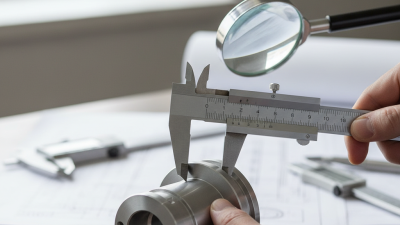
Using a Vernier Caliper effectively is essential for precision measurement in various fields. As Dr. Emily Foster, a renowned metrology expert, once stated, "Accuracy is the backbone of quality engineering." This highlights the importance of mastering the Vernier Caliper.
Many users struggle to fully leverage its capabilities. Mistakes often arise from a lack of understanding, leading to inaccurate readings and compromised results. Beginners may find it challenging to read the scale correctly. Experienced users, however, know that practice is vital. A keen eye and a steady hand can make a significant difference in achieving precise measurements.
Attention to detail is critical when using a Vernier Caliper. Users must ensure proper alignment and consistent pressure while measuring. Furthermore, it's important to keep the instrument clean and calibrated. Small lapses in these areas could result in errors. Users must reflect on their techniques regularly. Continuous improvement is key to mastering this invaluable tool.
Understanding the Components of a Vernier Caliper
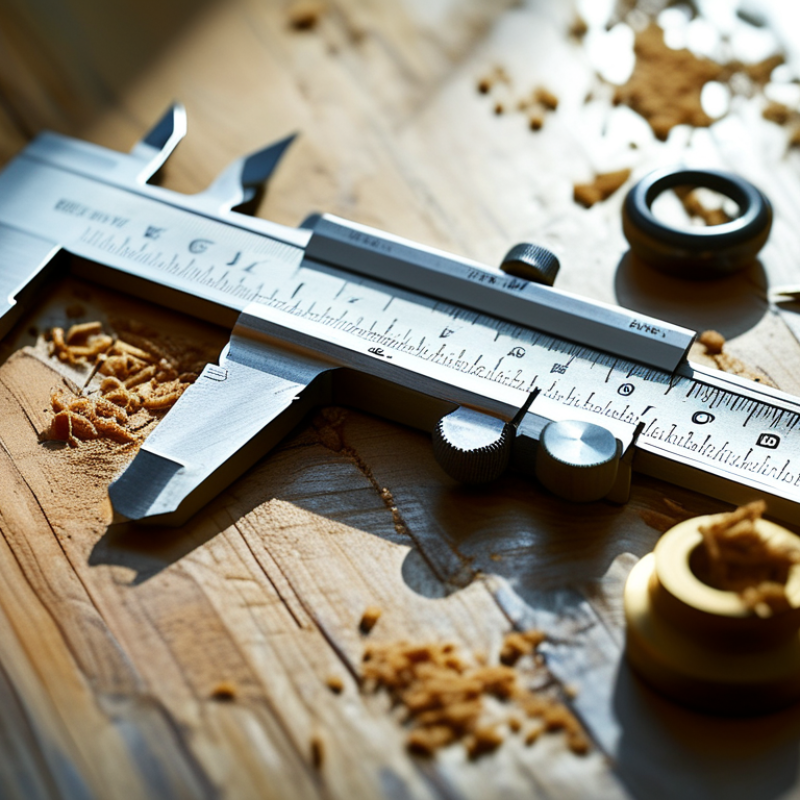
A vernier caliper is a precise tool for measuring dimensions. Understanding its components is crucial for effective use. The main parts include the main scale, the sliding jaw, and the vernier scale. The main scale is marked in millimeters. Each increment allows for basic measurements. The sliding jaw can grip objects tightly, ensuring stability during measurement.
The vernier scale is vital. It provides additional precision. By reading where the zero on the vernier aligns with the main scale, users can obtain detailed measurements. Sometimes, it can be tricky to read. Practice is essential to develop accuracy.
Here are some tips for effective use. Always zero the caliper before starting. This ensures measurement accuracy. Additionally, take measurements in a well-lit area. Check for parallax errors when reading the scale. Finally, store the caliper carefully to avoid damage. Being mindful of these factors can enhance your measurement skills significantly.
How to Properly Hold and Position a Vernier Caliper
When using a vernier caliper, proper holding and positioning are crucial for accurate measurements. Begin by holding the caliper securely in your dominant hand. Ensure that your fingers grip the main body, not the sliding jaws. This prevents any unintentional movement during measurement. The sliding part should move freely, allowing you to take measurements easily.
Position the caliper around the object to be measured. Make sure the measuring jaws are fully closed before taking a measurement. It's essential to align the object with the zero mark of the caliper. If the caliper is not aligned correctly, the reading will be inaccurate. Use a flat surface to stabilize the caliper. This reduces the chance of wobbling, which can lead to measurement errors. Remember, even slight pressure can compress soft materials.
After taking the measurement, read the scale carefully. Small fluctuations in reading might occur based on your angle of view. Maintain a direct line of sight to avoid parallax errors. Reflection might cause the reading to appear off. Small mistakes can lead to significant discrepancies, especially in precise work. Practice holding and positioning your tool to enhance your measurement accuracy.
Techniques for Taking Accurate Measurements with a Vernier Caliper
Using a vernier caliper requires a clear understanding of its parts and functions. A typical caliper features two scales: the Main scale and the Sliding scale. To measure accurately, ensure the caliper jaws are clean. Dirt or grease can compromise results. Align the measurement object properly between the jaws. Even slight misalignment impacts measurement precision.
When reading the measurement, pay close attention to the point where the scales meet. A report from the National Institute of Standards and Technology shows that misreading can lead to errors of up to 0.5 mm. Such mistakes may seem small, but they can significantly affect engineering projects. Regular practice improves accuracy over time.
Calibration checks are also vital. Routine calibration ensures the tool remains within specified tolerances. Ideally, users should check calibration against a known standard every month. This reduces uncertainty in measurements. Remember, even minor inaccuracies can compound in larger projects. Accurate measurement is not just a task; it's a responsibility.
Common Mistakes to Avoid When Using a Vernier Caliper
When using a vernier caliper, understanding common mistakes can drastically improve accuracy. One prevalent error is misreading the scale. Even seasoned users sometimes overlook the alignment of the zero point. This oversight can lead to measurement inaccuracies. A quick practice session on reading the scale can help catch this mistake early.
Another common issue is not ensuring the caliper is clean. Dirt or grease can affect the sliding mechanism and lead to erroneous readings. Regularly clean the measuring surfaces. It’s a simple step that makes a big difference. Moreover, users often forget to apply the right amount of pressure when taking measurements. Pressing too hard can deform soft materials, while too little pressure can result in slipping.
Calibration should not be ignored either. Regular checks and balances on the tool itself are essential for reliable measurements. A miscalibrated caliper can lead to consistent measurement errors. Users may assume all is well without frequent checks. Lastly, keep in mind that practice is key. Frequent use improves familiarity and precision. Realizing these mistakes can guide improvements for better results.
Maintaining and Calibrating Your Vernier Caliper for Optimal Use
Maintaining and calibrating your vernier caliper is crucial for accurate measurements.
Regular maintenance ensures reliability and precision. A study by the American National Standards Institute (ANSI) indicates that devices like calipers can drift in accuracy over time, leading to potential measurement errors.
Even minor misalignments can cause up to a 0.05 mm discrepancy, which can significantly affect projects requiring high precision.
To maintain optimal functionality, clean your vernier caliper after each use.
Dust and debris can lead to inaccurate readings. Utilize a soft, lint-free cloth and avoid aggressive solvents that could damage the tool.
Although it may seem tedious, this step is essential.
Moreover, calibrate your caliper periodically. According to the
National Institute of Standards and Technology (NIST), calibration checks should be performed at least once a month, depending on usage frequency.
This practice not only identifies gaps in precision but also ensures long-term reliability.
Regularly reviewing the calibration data is also vital. Keep a
log of your readings and adjustments.
This practice promotes accountability and reveals patterns.
Such insights can highlight when recalibration is necessary. Addressing these issues promptly will help you achieve the accurate results expected in high-stakes environments.
Mistakes can happen, and recognizing when your tools fall short is the first step toward improvement.