Why Choose Vernier Caliper for Accurate Measurements?
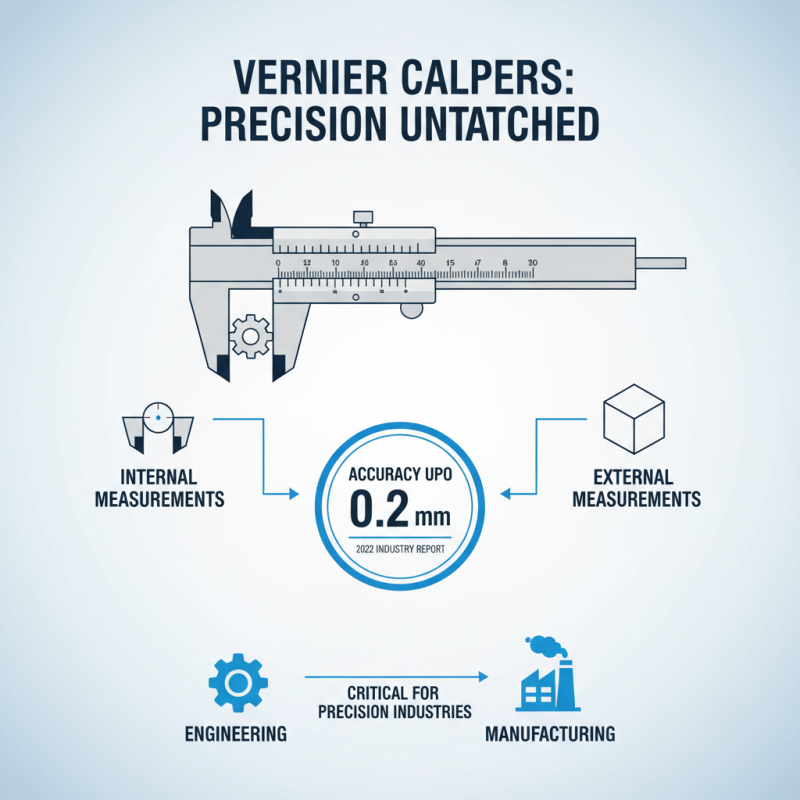
In precision measurement, accuracy is paramount, and the Vernier Caliper stands out as a trusted tool. Industry reports reveal that over 80% of professionals rely on measuring instruments like the Vernier Caliper for their projects. It is known for its ability to provide measurements with an accuracy of ±0.02 mm, making it preferable in various fields such as engineering, manufacturing, and scientific research.
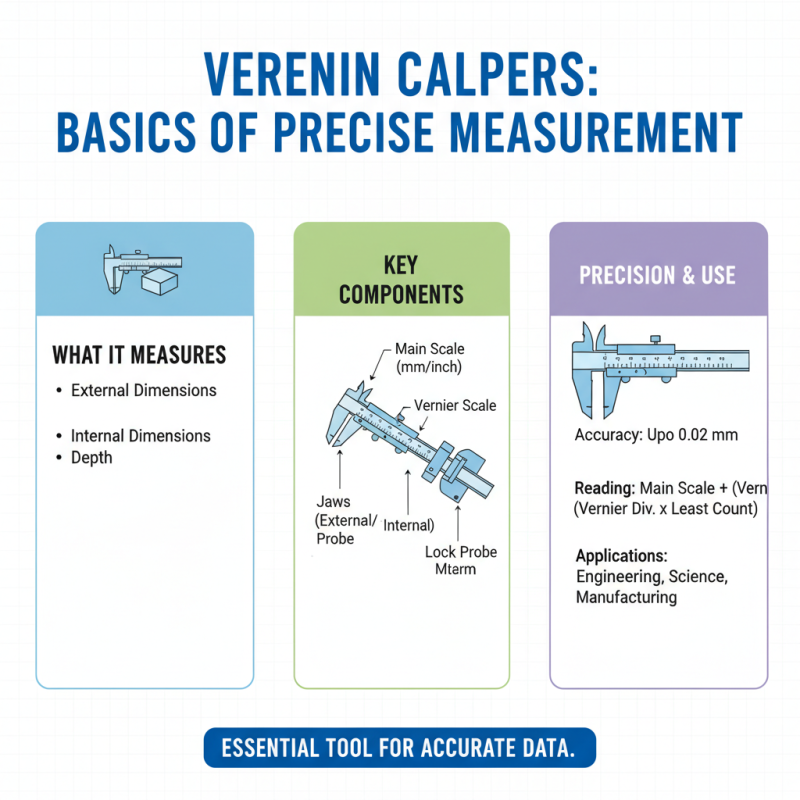
The versatility of the Vernier Caliper cannot be overstated. It can measure internal and external dimensions as well as depths. This multifaceted utility contributes to its widespread use. However, users must be aware of potential measurement errors that can arise from misreading the scale. Training and practice are essential to ensure precise usage, highlighting the importance of experience.
Moreover, while the Vernier Caliper is effective, it does have limitations. For example, it may not be suitable for very small measurements or in situations where electronic measuring tools could offer enhanced precision. Hence, the choice to use a Vernier Caliper should be informed by specific project requirements and measurement needs. Considering its reliability, the Vernier Caliper remains an indispensable instrument in the toolkit of many professionals.
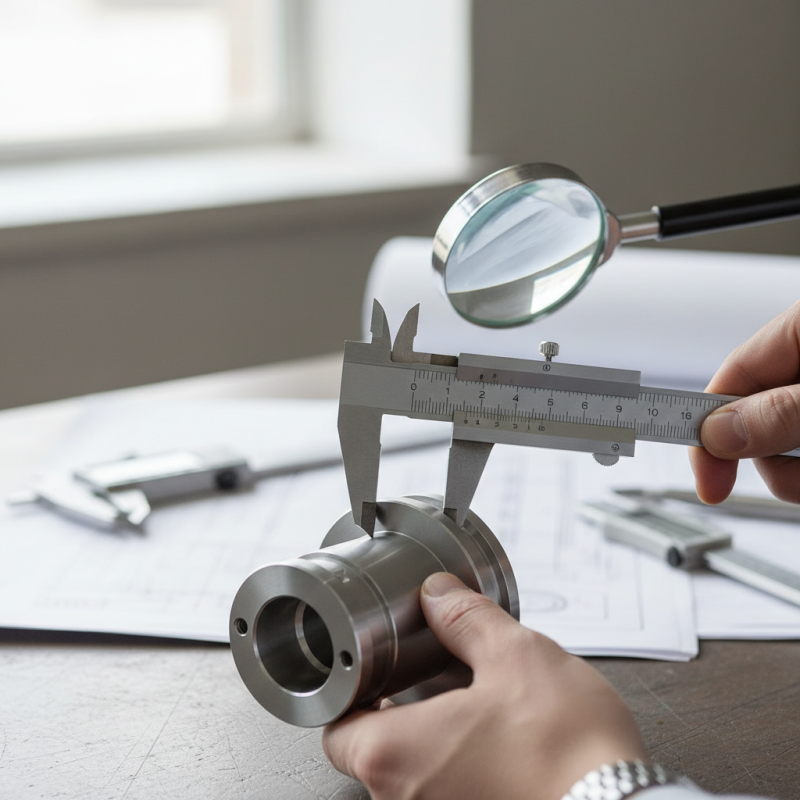
Understanding the Basics of Vernier Calipers in Measurement
Vernier calipers are essential tools for precise measurements in various fields, from engineering to science. Understanding how they work is vital for anyone who needs accurate data. These tools measure the internal and external dimensions of objects, as well as depths. The design includes a main scale and a sliding vernier scale, allowing for measurements to the nearest 0.02 mm. This level of precision can make a significant difference in critical applications.
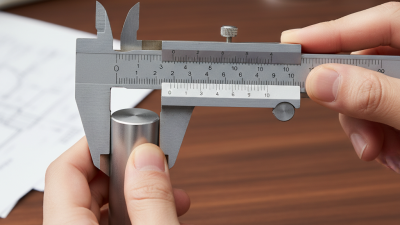
The use of a vernier caliper is straightforward but requires practice. Users must align the measuring jaws correctly to ensure accurate readings. Even a slight misalignment can lead to errors. Measurements should be taken with the caliper held firmly, but not too tight to avoid deforming the object. Additionally, users should be cautious about parallax errors. Observing the scale from different angles can impact measurement accuracy.
Overall, despite its simplicity, the vernier caliper demands attention to detail. Practitioners often need to reflect on their techniques to minimize mistakes. Regular practice enhances familiarity with the tool. The vernier caliper illustrates that achieving precision requires not just the right instrument but also careful handling and experience.
The Importance of Precision in Measuring Instruments
Accurate measurements play a crucial role in various fields, including engineering and manufacturing. Precision can significantly impact the quality of products. An industry report by the National Institute of Standards and Technology (NIST) highlights that measurement errors can account for up to 20% of production defects. Thus, the choice of measuring instruments is vital.
Vernier calipers are known for their superior accuracy. They can measure internal and external dimensions with precision to 0.02 mm. Such accuracy is essential when working with tight tolerances in machining and fabrication. A survey conducted by the American Society for Quality showed that 87% of manufacturers rated precise measurements as essential for their operations. However, incorrect use of a vernier caliper can lead to significant errors. An improperly read scale can introduce discrepancies that compromise project integrity.
Tips for accurate measurements include ensuring the caliper is clean before use. Dirt or oil can affect precision. Additionally, always hold the caliper firmly and avoid parallax errors when reading the scale. This small adjustment can lead to more reliable measurements, eliminating the frustration of erroneous data. Remember, the key is not just having the right tool but also using it correctly to maintain the quality of your work.
Why Choose Vernier Caliper for Accurate Measurements?
Advantages of Using Vernier Calipers Over Other Tools
The Vernier caliper is a preferred tool in many industries for precise measurements. Its main advantage is its ability to measure both internal and external dimensions accurately. Data from a 2022 industry report indicates that Vernier calipers can achieve precision levels of up to 0.02 mm. This level of accuracy is essential in fields such as engineering and manufacturing, where even small discrepancies can lead to significant issues.
One key benefit of using a Vernier caliper is its versatility. Unlike other measuring tools, a Vernier caliper can be used for measuring depth and thickness as well. This multifunctional capability makes it indispensable in workshops. However, it does require a certain level of skill to read the measurements correctly. Misreading the scale can lead to errors, which is a common pitfall among new users.
Tip: Always ensure that the jaws of the caliper are clean before taking measurements. Dirt can affect accuracy. Regular practice with the tool can dramatically improve your measurement skills. The tactile feedback of the caliper also enhances user engagement, making measurements a more intuitive process. While digital tools offer convenience, the traditional Vernier caliper fosters a deeper understanding of measurement principles.
Common Applications of Vernier Calipers Across Industries
Vernier calipers are essential tools in various industries. Their design allows for precise measurements, making them useful in multiple applications. In manufacturing, they help ensure products meet exact specifications. This can affect everything from automotive parts to intricate machinery components.
In the medical field, vernier calipers play a critical role. They are used to measure surgical instruments accurately. This precision minimizes errors that could lead to severe consequences. In education, students learn using these tools to grasp the fundamentals of measurement. There is a tangible connection between learning and real-life applications.
However, users must be cautious. Incorrect usage can lead to miscalculations. Always ensure the caliper remains clean and undamaged. Sometimes markings may wear off, causing confusion. Regular checks ensure accuracy. A moment of inattention can result in significant discrepancies. Understanding these tools takes practice and mindfulness.
Why Choose Vernier Caliper for Accurate Measurements? - Common Applications of Vernier Calipers Across Industries
| Application Area |
Measurement Type |
Accuracy Range |
Common Uses |
| Manufacturing |
Length, Diameter |
±0.02 mm |
Measuring parts and components |
| Engineering |
Thickness, Depth |
±0.01 mm |
Quality control and prototypes |
| Construction |
Length, Width |
±0.05 mm |
Building materials inspection |
| Education |
Length, Diameter |
±0.02 mm |
Lab experiments and measurements |
| Science Research |
Dimensional Analysis |
±0.01 mm |
High precision measurement |
Tips for Proper Use and Maintenance of Vernier Calipers
Using a vernier caliper effectively requires careful handling and maintenance. These instruments provide precision, yet they can be sensitive. According to a report by the National Institute of Standards and Technology, ensuring the accuracy of a vernier caliper often hinges on proper calibration. Regular calibration checks maintain measurement integrity.
Cleaning the caliper is crucial. Dust and debris can skew measurements. A soft, lint-free cloth is ideal. Avoid harsh chemicals that might damage components. Incorrect use can lead to errors. Hold the caliper correctly, ensuring the jaws are aligned with the object being measured. Misalignment can introduce significant discrepancies. The caliper's reading could be off by as much as 0.02 mm, drastically affecting your results.
Storage is equally vital. Store the caliper in a protective case to prevent physical damage. Avoid exposing it to extreme temperatures or humidity. These factors can lead to warping or corrosion. While the vernier caliper is reliable, remember, it requires maintenance to ensure longevity and accuracy. Regularly reflecting on your measurement techniques and instrument care can lead to better results.