65337ed57a

Leave Your Message

What Is Prototype Aluminum Casting?

Prototype Aluminum Casting is the production of early aluminum parts using casting processes, before a design moves toward larger-scale manufacturing. It helps engineers check fit, wall thickness, surface finish, and functional details on a physical part. A prototype can reveal problems that a screen model misses: a thin rib may fill poorly, or a mounting boss may distort after cooling. The method can support design evaluation, but results depend on the alloy, mold, process, and inspection plan.

The International Aluminium Institute reports that roughly 75% of all aluminum ever produced remains in use today, reflecting the material’s long service life and recyclability. Its industry data provides useful context, though it does not measure prototype-casting performance directly. Casting metallurgist John Campbell, author of Complete Casting Handbook, states, “The quality of a casting is determined by the quality of the liquid metal.” That principle matters in prototypes, where melt condition and process control can affect what a test part actually proves. A prototype is evidence, not a guarantee. It may expose design weaknesses, yet a single successful casting cannot establish repeatability or production readiness. Careful documentation of alloy, tooling, and inspection results makes comparisons more reliable. There is no shortcut here. The value of Prototype Aluminum Casting lies in learning from a real part—and being honest about what that part cannot yet tell you.
What Is Prototype Aluminum Casting?

What Prototype Aluminum Casting Means

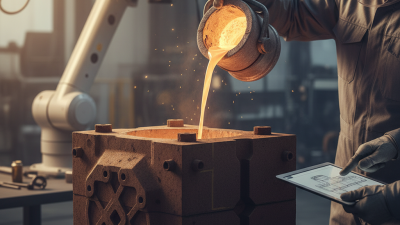
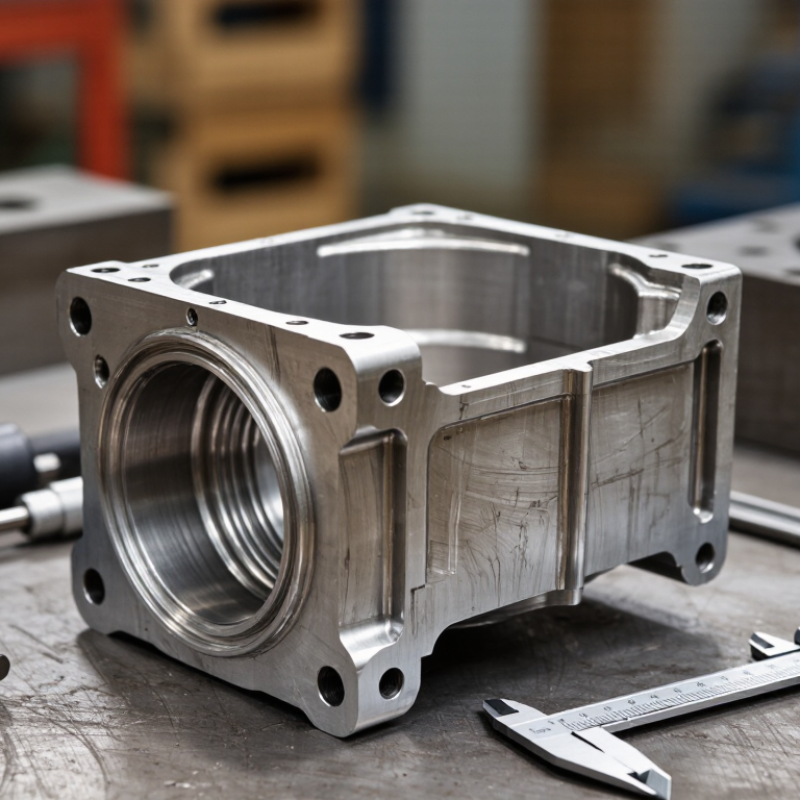
Prototype aluminum casting is the production of trial parts by pouring molten aluminum into a prepared mold. Its purpose is to check a design in metal before committing to dedicated production tooling. Depending on geometry and quantity, a foundry may use sand, investment, or permanent molds. For a one-off housing, a printed sand mold can reduce pattern lead time while still producing a useful physical part. The casting reveals details a screen cannot: weight, grip, fit, and how thin ribs behave. Small details matter.

A typical review includes measuring critical faces, checking for porosity, and fitting the part to neighboring components. A machinist may leave extra material on bearing seats or bolt faces, since cast surfaces rarely provide final precision. Prototype results can also reveal tradeoffs: a thicker corner may fill more reliably, but add weight and cooling time. This is where teams sometimes get overconfident. A sand-cast prototype may differ from a high-volume die-cast part in surface finish, tolerances, and internal structure. Those differences should be recorded. When the mold and process differ from the intended production route, early measurements are useful, but not always predictive.

What Is Prototype Aluminum Casting? — What Prototype Aluminum Casting Means
Dimension What It Means Practical Detail
Definition Prototype aluminum casting is the production of early sample parts by pouring molten aluminum alloy into a mold. The resulting parts help assess a design before committing to full-scale production.
Purpose It is used to check a part’s shape, fit, assembly, and selected functional characteristics. Prototype parts can reveal design issues, but they do not automatically represent the properties or consistency of production parts.
Common processes Sand casting, investment casting, and permanent-mold casting can all be used for aluminum prototypes. The appropriate process depends on the part’s geometry, required detail, quantity, and evaluation needs.
Mold and tooling Prototype work may use expendable molds or simpler, lower-commitment tooling than a high-volume production setup. Sand molds are used once; permanent molds are reusable. Tooling requirements vary by process and design.
Material The part is made from a castable aluminum alloy selected for the intended application and process. Alloy choice affects characteristics such as strength, corrosion resistance, castability, and heat-treatment response.
Design considerations Cast parts generally need design features that support mold filling, solidification, and removal from the mold. Wall thickness, transitions, draft, and possible shrinkage or porosity should be reviewed with the casting process in mind.
What can be evaluated Prototypes can be inspected for dimensions, surface condition, assembly fit, and selected mechanical or functional requirements. Testing should match the intended use; a prototype should not be assumed to meet production requirements without verification.
How it differs from production casting Prototype casting prioritizes learning and design validation, while production casting is organized for repeatable manufacture at the required volume. Production may use dedicated tooling, process controls, and qualification steps that are not part of every prototype project.

How Aluminum Prototypes Are Designed and Prepared

Designing an aluminum casting prototype begins with the part’s purpose, load, and working environment. These details guide alloy selection and help identify features that need close attention. A thin wall may cool differently from a thick mounting boss. Small details matter.

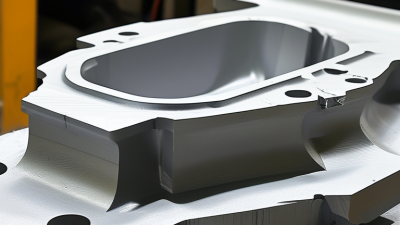
Engineers typically create a three-dimensional model, then review wall thickness, draft angles, and likely shrinkage. Draft helps the pattern release from the mold, while cores form internal cavities. Gates and vents also need careful placement so metal can flow and trapped air can escape. The design may include extra material where later machining will create precise holes or flat surfaces. Not every feature needs to be cast exactly as drawn.

Before casting, the pattern and mold are prepared to match the prototype process. Sand molds can support quick design changes, though surface finish and dimensional consistency may vary. That trade-off is worth discussing early. A first casting can reveal porosity, distortion, or an awkward machining setup that the model did not make obvious. Teams inspect critical dimensions and surface areas, then adjust the model or mold before another run. The first layout is rarely perfect. A measured revision is more useful than a rushed assumption.

Prototype Aluminum Casting: Typical Alloy Density

Comparing typical densities helps designers estimate prototype weight during material selection and preparation.

Values are approximate typical densities in g/cm³; actual values vary with alloy specification and composition. The vertical axis starts at 2.5 g/cm³ to make the small differences visible. Part weight also depends on the prototype’s geometry.

How the Casting Process Forms an Aluminum Prototype

What Is Prototype Aluminum Casting?
How the Casting Process Forms an Aluminum Prototype

Prototype aluminum casting turns a design into a physical part by pouring molten alloy into a shaped cavity. The cavity may be formed in sand, investment material, or a reusable metal mold. The right method depends on the part’s geometry, surface requirements, and expected quantity. After the metal cools, the casting is removed, gates are trimmed, and key surfaces may be machined. A first article can reveal issues a drawing misses, such as a thin wall filling poorly or a boss needing extra support.

Material choice matters, too. The International Aluminium Institute reports that recycling aluminum uses about 5% of the energy required for primary production, a saving of roughly 95%. Recycled content can suit prototype work, but alloy chemistry and melt quality still need control. A prototype is useful, not perfect: casting shrinkage and porosity can differ from those in a final production process.

Tips: Mark critical dimensions on the drawing before casting. Ask for inspection results on those features, and check the part under the same conditions it will face in use. Small details matter. If a feature needs tight tolerances, plan for machining rather than assuming the raw casting will hold them.

Common Casting Methods for Aluminum Prototypes

Prototype aluminum casting makes test parts by pouring or injecting molten alloy into a temporary or reusable mold. The method affects lead time, surface finish, dimensional control, and tooling cost.

The International Aluminium Institute’s 2023 production statistics report 70.6 million tonnes of global primary aluminium output.

That figure describes metal supply, not prototype-casting volume.

Sand casting uses expendable sand molds and cores, making it suitable for large parts and frequent design changes.

Its rougher surface and looser dimensional control can require extra machining. Printed sand molds may reduce pattern work, though thin walls can still challenge metal flow.

It can be messy.

Gravity permanent-mold casting fills a reusable metal die without high pressure. It often gives cleaner surfaces and more repeatable dimensions, but die costs and draft angles limit revisions.

High-pressure die casting supports thin walls and fine detail, yet prototype dies can be costly to change.

Investment casting handles intricate shapes, although ceramic-shell preparation adds time and cost.

The “best” route can change after the first sample reveals a stubborn flaw.

Where Prototype Aluminum Castings Are Used and What They Offer

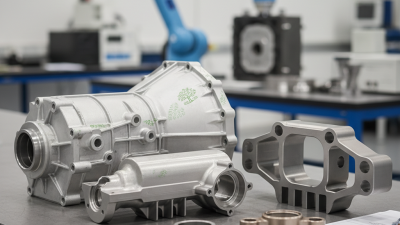
Prototype aluminum casting turns a design into a physical metal part before production begins. It is useful when teams need to check fit, shape, or function with an aluminum component. Examples include pump housings, brackets, engine covers, and instrument enclosures. A cast prototype can reveal whether a wall is too thin or a mounting hole sits in the wrong place. It also gives engineers a real part to handle, not just a screen image.

These castings help teams evaluate weight, stiffness, and heat transfer using a material close to the intended production alloy. They can also support early assembly trials and limited functional testing. The process may be more practical than machining a complex shape from solid stock, though tooling, lead time, and surface finish depend on the casting method and part design. One prototype cannot prove every production outcome. That limitation is easy to overlook. Changes to gates, alloy, or cooling can affect later results.

Tips: Share the expected use, key dimensions, and required alloy with the foundry. Mark critical surfaces and holes clearly. Ask which features may need machining after casting. Keep a little room for revision; early designs are rarely perfect.