10 Essential Tips for Working with Die Casters in Manufacturing
In the manufacturing sector, collaboration with die casters is crucial. A recent report highlights that die casting accounts for over 20% of metal processing in the U.S. This method is favored for its ability to produce complex shapes and high-quality surfaces. However, working with die casters can present challenges.
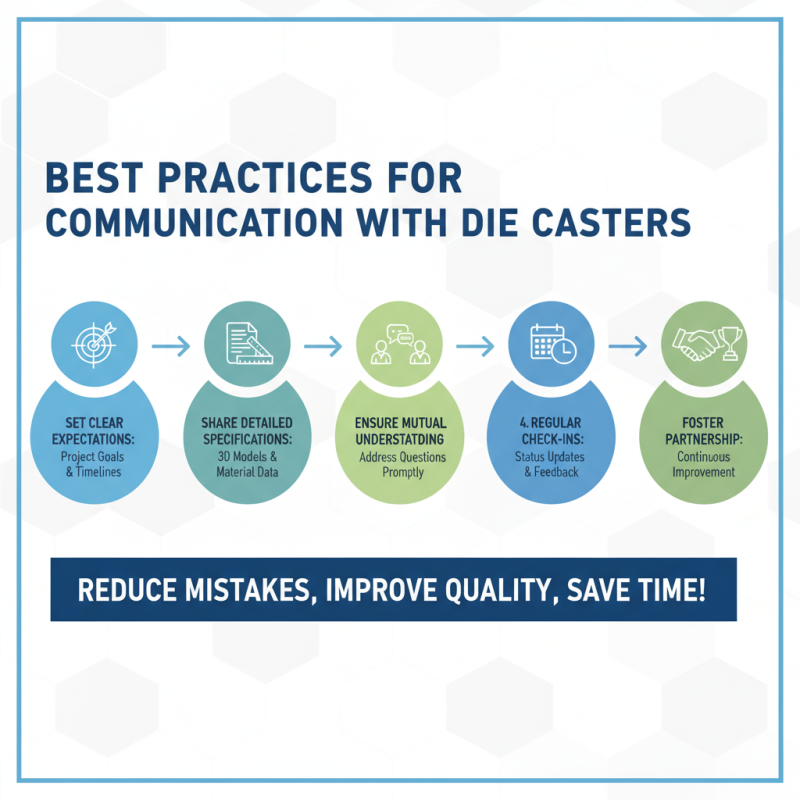
It’s essential to understand that not all die casting processes are the same. Variations in alloys and techniques can impact the final product. According to the Aluminum Association, precision in this industry is often compromised by insufficient communication. Ensuring clarity in project goals can enhance the relationship with die casters.
Moreover, industry surveys show that improper tooling setups lead to 15% of production delays. Recognizing the importance of proper alignment and adjustments is vital. Mistakes in this realm can lead to significant cost implications. As you engage with die casters, maintaining a proactive and informed approach is not just beneficial; it’s necessary for success.
Understanding the Basics of Die Casting in Manufacturing
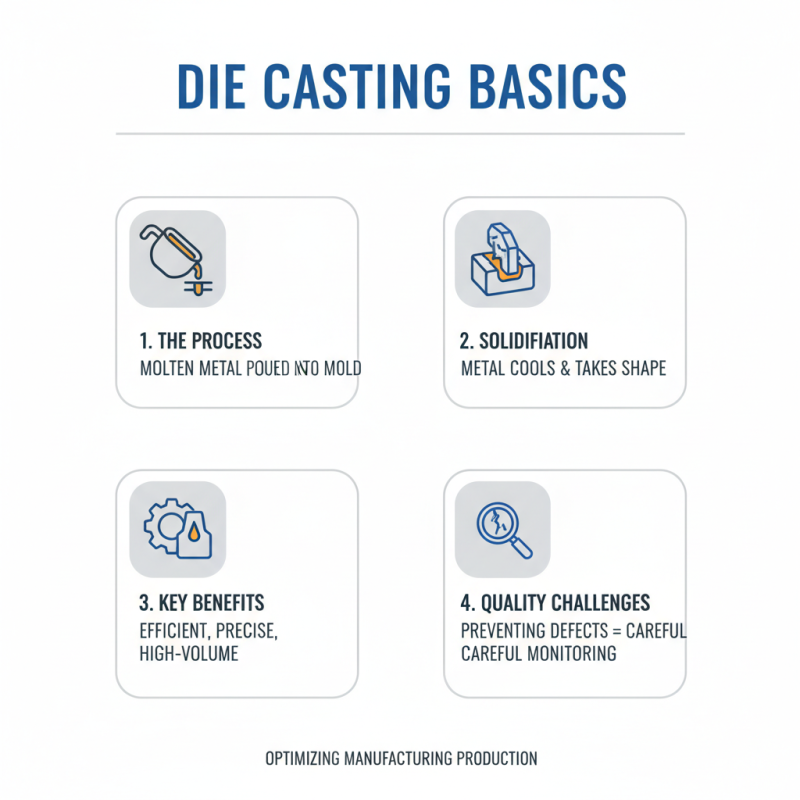
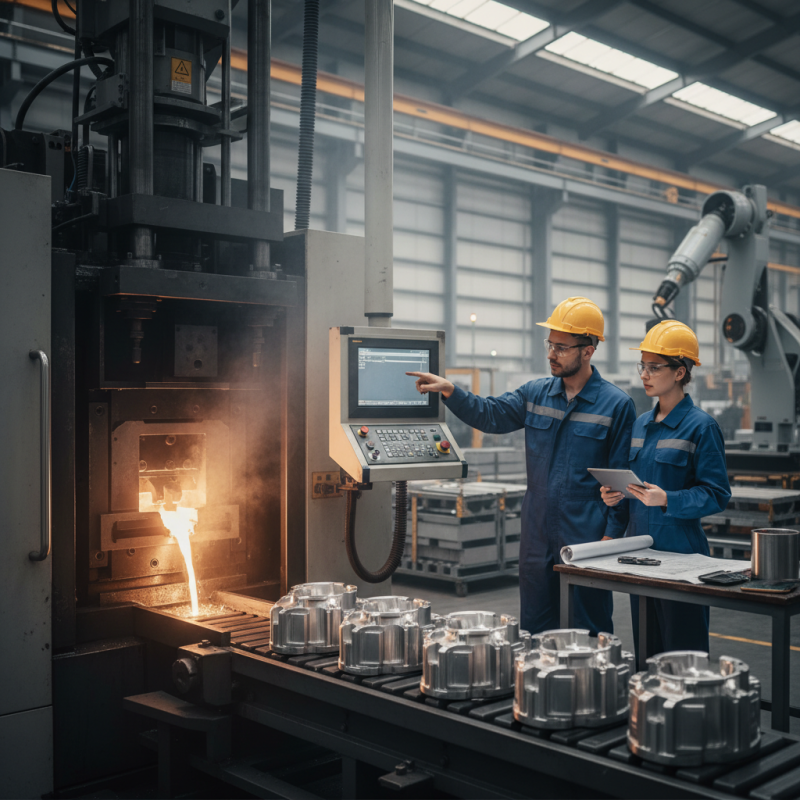
Die casting is a vital process in manufacturing, known for its efficiency and precision. It involves pouring molten metal into a mold, allowing it to solidify and take shape. Understanding the basics of die casting helps manufacturers optimize their production. The method is ideal for high-volume production of complex shapes. However, achieving the desired quality can be challenging. Each step requires careful monitoring to prevent defects.
One crucial aspect is the choice of material. Different metals have unique properties, influencing the final product's strength and durability. Aluminum, zinc, and magnesium are common choices. Each material has its advantages and drawbacks. For example, aluminum is lightweight but may not be as strong as some alternatives. It’s essential to match the material with the product requirements, which can lead to further considerations during planning.
Tooling also plays a significant role in die casting. The quality of the mold directly impacts the end product. However, mold design is often complex and can lead to increased costs if not done correctly. Adjustments may be needed after initial tests. The importance of communication with die casters cannot be overstated. Discussing expectations and requirements early can prevent costly mistakes later in the process.
Key Considerations When Selecting Die Casting Partners
Selecting the right die casting partner is crucial for manufacturing success. Consider their experience in your specific industry. A partner with a proven track record can manage complex projects better. Look for detailed case studies that highlight their capabilities. This shows how they handle challenges.
Assess their technological resources. Advanced machinery can enhance precision and efficiency. Ask about their quality control processes. A reliable partner should have robust systems in place. This ensures that defects are minimized. Visit their facility if possible. Observing operations firsthand can provide useful insights.
Communication is key. Choose partners who prioritize transparency. Regular updates and open dialogue build trust. Be cautious of partners who promise unrealistic timelines. Evaluation of past client testimonials can reveal their reliability. Don't overlook their geographical location either. Proximity can affect lead times and shipping costs.
10 Essential Tips for Working with Die Casters in Manufacturing - Key Considerations When Selecting Die Casting Partners
| Tip Number |
Consideration |
Description |
| 1 |
Experience |
Assess the partner's years of experience in die casting processes. |
| 2 |
Technical Expertise |
Evaluate their technical skills and knowledge in the latest die casting technologies. |
| 3 |
Quality Standards |
Inspect their adherence to industry quality certifications and standards. |
| 4 |
Customization Capability |
Check their ability to produce customized die casting solutions based on specific requirements. |
| 5 |
Delivery Timelines |
Assess their track record for on-time deliveries and handling urgent orders. |
| 6 |
Cost Competitiveness |
Compare pricing models and understand the overall cost structure. |
| 7 |
Communication |
Evaluate their communication style and responsiveness to inquiries. |
| 8 |
Post-Production Support |
Inquire about the support offered after production, including troubleshooting and modifications. |
| 9 |
Sustainability Practices |
Understand their commitment to sustainable manufacturing processes and materials. |
| 10 |
Client Testimonials |
Review feedback from previous clients to gauge customer satisfaction levels. |
Quality Control Measures in Die Casting Processes
In die casting, quality control is crucial. A small defect can ruin an entire batch of parts. Monitoring temperatures during the process is essential. If the metal is too hot, it may lead to misflows. If too cool, surface imperfections can occur. Both scenarios compromise the integrity of the final product.
Regular inspections during the casting process can identify issues early. Implementing a structured checklist helps in documenting observations. Visual inspections can catch irregularities like bubbles or voids. In some cases, using X-ray testing can reveal internal flaws that aren’t visible. This proactive approach avoids costly reworks or scrapped components.
Teams must adapt and continuously improve their quality control measures. Training staff on the latest techniques enhances overall output quality. There’s always room for error, and even small lapses in protocol can lead to failures. Honest discussions about past mistakes will foster a culture of improvement. Regular audits of processes can unveil areas needing refinement. Embracing a mindset of
constant learning will ultimately strengthen the die casting process.
Cost Management Strategies in Die Casting Collaborations
Cost management in die casting partnerships is crucial for manufacturers aiming for efficiency. According to a recent industry report, companies can reduce production costs by up to 20% by optimizing their die casting processes. This involves selecting the right materials, streamlining workflows, and investing in quality assurance measures. Collaborating closely with die casters will help identify areas where expenses can be minimized while maintaining product integrity.
Communication is paramount. Clear dialogue about pricing, timelines, and material choices can mitigate misunderstandings. Studies indicate that companies engaging in regular feedback loops with their die casting partners achieve better project outcomes. Regular reviews of production metrics can lead to insights that help both parties adjust strategies effectively.
However, not all collaborations yield positive results. Some manufacturers may overlook the importance of skill matching in teams. For instance, inexperienced operators can lead to higher scrap rates. This not only inflates costs but can also hurt timelines. Each collaboration should be evaluated critically, ensuring that all contributors offer the necessary expertise to meet production goals.