2026 How to Master Precision Die Cast Techniques for Better Results?
In today's competitive manufacturing landscape, mastering Precision Die Cast techniques is crucial for achieving superior results. This process enhances the accuracy and quality of metal parts significantly. Precision Die Cast involves precise control over temperature, pressure, and material flow, making it a refined art.
As industries evolve, so do the technologies supporting these methods. Emphasizing innovation and efficiency, manufacturers face new challenges. The introduction of AI in the production process is compelling. It allows faster identification of qualified suppliers. However, the integration of technology can sometimes lead to oversights. Companies must scrutinize their approaches to avoid pitfalls in production quality.
Reflecting on Precision Die Cast, we recognize that improvement is ongoing. Each project unveils unique challenges that require attention and adaptation. Embracing these complexities can lead to breakthroughs in manufacturing. Ultimately, the pursuit of excellence in Precision Die Cast is both a journey and a destination.
Understanding the Basics of Die Casting Techniques
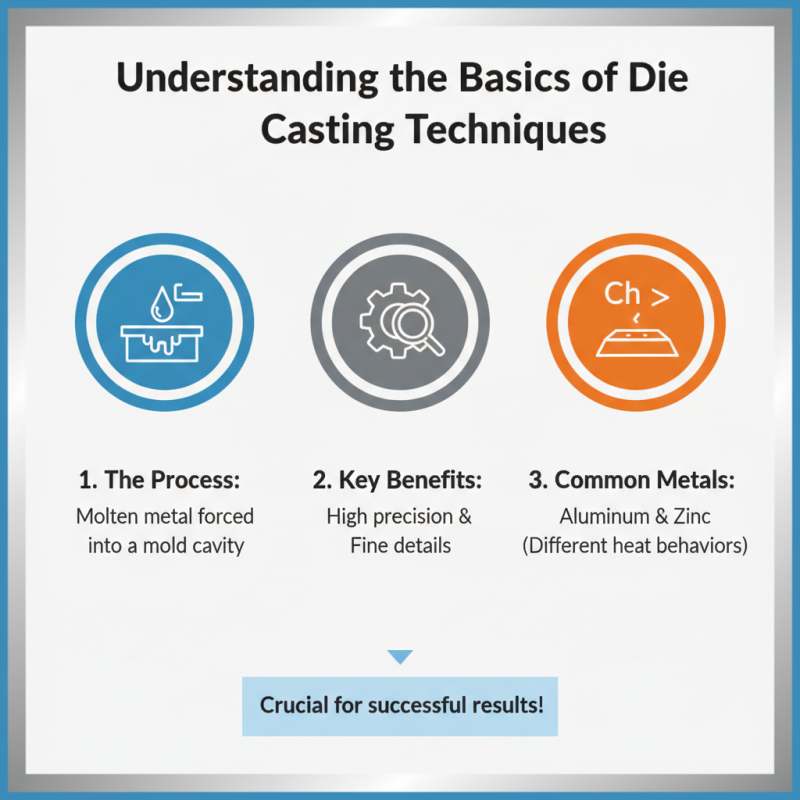
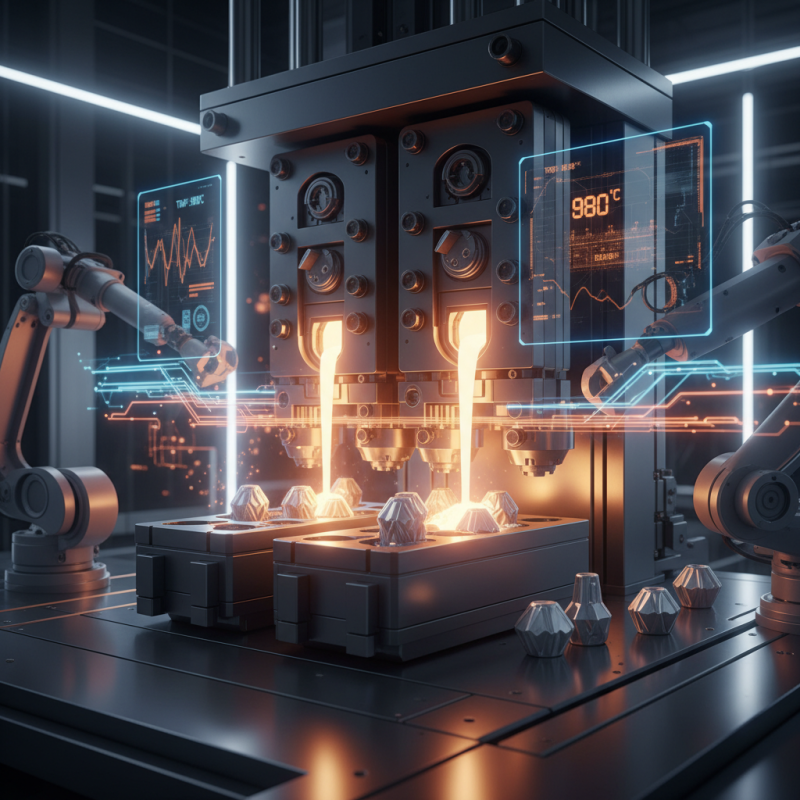
When diving into die casting, understanding the basics is crucial. Die casting is a metal forming process. It involves forcing molten metal into a mold cavity. This technique offers high precision and fine details. Common metals used include aluminum and zinc. Each material behaves differently under heat. Knowledge of these differences is essential for successful results.
Quality in die casting comes from many factors. Proper mold design is vital. A poorly designed mold can lead to defects. This may require rework, wasting time and resources. Temperature control is another key element. If the metal is too hot or too cool, defects will arise. Keeping a consistent temperature is challenging, yet necessary.
Training is important, but experience brings wisdom. Beginners often overlook small details. Simple oversights can lead to big problems. Regularly reviewing processes can reveal areas for improvement. Mastery of die casting is a continual journey, built on understanding and refinement.
Essential Equipment for Precision Die Casting
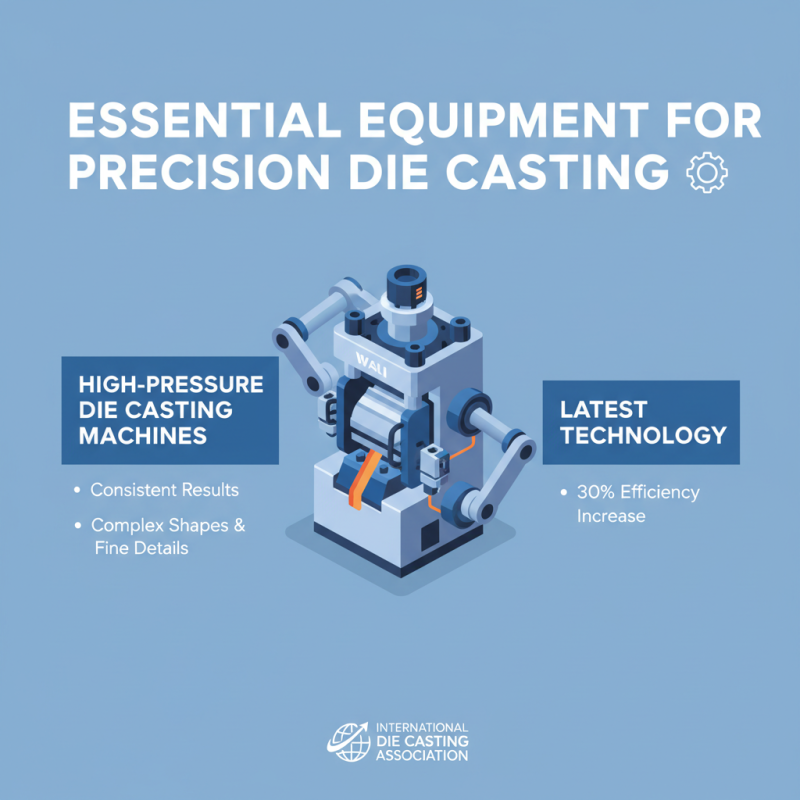
In precision die casting, the right equipment is crucial for achieving superior results. Key machinery includes high-pressure die casting machines that provide consistent results. These machines can create complex shapes with fine details. For instance, a report by the International Die Casting Association suggests that efficiency can increase by 30% with the latest technology.
Another essential tool is the die itself. Quality dies are made from durable materials to withstand high pressure. However, even the best die can wear out. Maintenance is often overlooked. Regular checks can prevent costly downtime. A study indicates that improper die maintenance can lead to a 15% increase in defects.
Heating systems also play a significant role. They ensure the metal is at optimal temperature for casting. A temperature variation of just a few degrees can affect the quality of the final product. Keeping the heating consistent can mitigate this risk. Yet, operators sometimes ignore these details, resulting in flawed castings. Maintaining precise tolerances is essential, yet can be challenging in practice, highlighting the importance of continual training and oversight in the process.
Step-by-Step Process of Precision Die Casting
Precision die casting is a process that demands careful attention to detail. It starts with designing a robust die that can withstand high pressure. The material choice is critical—aluminum alloys are commonly used for their excellent fluidity and strength. According to a 2021 industry report, aluminum die castings can achieve a dimensional accuracy of ±0.05 mm for complex shapes.
After the die design, the next step involves melting the metal. The temperature control during this stage is vital. Too high a temperature can affect the quality of the casting. Melting is followed by injecting the molten metal into the die under high pressure. This step requires precise timing and pressure to fill every corner of the mold.
A study noted that nearly 20% of defects in die-cast parts are linked to poor injection techniques, emphasizing the need for meticulous process management.
Cooling is the final stage. It’s crucial to optimize cooling times to avoid warping. If the metal cools too slowly, it may lead to unwanted surface defects. The right balance between speed and quality is often challenging. Many manufacturers need to reflect on their cooling strategies.
The entire process can seem straightforward, yet intricate problems frequently arise. Continuous learning and adaptability are essential for achieving better results.
Common Challenges in Die Casting and Their Solutions
Die casting is a complex process with its share of challenges. One common issue is the occurrence of porosity in the finished products. Reports indicate that nearly 15% of die-cast parts face this problem, leading to a loss of structural integrity. Porosity often arises from trapped gases during the metal filling phase. Implementing better venting techniques can help alleviate this challenge.
Tips: Use high-quality alloys to minimize gas entrapment. Ensure proper mold temperature control during casting.
Another frequent challenge is dimensional inaccuracies. The American Foundry Society notes that around 10% of die-cast components don't meet specified tolerances. Inaccuracies may result from thermal expansion and insufficient cooling time. Using advanced simulation software can enhance the prediction of mold behavior.
Tips: Invest in precise measurement tools. Regularly audit your casting processes to identify discrepancies.
Improving your die-casting techniques is crucial for better results. Incorporate feedback loops in your production to learn from imperfections. Embrace the art of continuous learning and experimentation. This approach can lead to significant advancements in precision die casting.
Tips for Improving Die Casting Quality and Efficiency
Die casting is a precise method for creating metal parts. However, achieving high quality and efficiency is often a challenge. One key aspect is maintaining optimal temperatures. Too high or too low can impact the final product. Regularly calibrating your equipment is essential to avoid inconsistencies.
Another factor is the choice of materials. Not all alloys perform equally in die casting. Understanding their properties can lead to better results. For instance, some materials may require different cooling times. This can greatly affect overall production speed. Monitoring these variables is crucial for identifying areas of improvement.
Incorporating feedback loops within your process helps address imperfections. Analyzing defects and understanding their origins can guide future improvements. Sometimes, the issue lies in the design itself, rather than the technique used. It’s vital to reevaluate designs periodically to enhance manufacturability and efficiency. Remember, perfection is rare, and there's always room for enhancement.
2026 How to Master Precision Die Cast Techniques for Better Results?
| Technique |
Description |
Benefits |
Common Applications |
| Vacuum Die Casting |
Technique that uses vacuum to reduce air pockets in the mold. |
Improved surface finish and reduced porosity. |
Automotive parts, Aerospace components. |
| Heat Treatment |
Process of heating and cooling metals to alter physical properties. |
Enhances strength and durability of die cast components. |
Industrial machinery, Heavy equipment. |
| Multistage Die Casting |
Utilizes multiple stages to optimize filling and solidification. |
Better dimensional accuracy and reduced waste. |
Television frames, Appliance housings. |
| Thixocasting |
A process involving semi-solid metal to create fine details. |
Control over solidification and less thermal distortion. |
Small intricate parts, Electronic housing. |
| Die Design Optimization |
Enhancing die design for better flow and cooling. |
Reduced cycle time and improved efficiency. |
Various applications in automotive and consumer goods. |