10 Essential Tips for Choosing the Right Engineering Fixtures
Choosing the right engineering fixtures is crucial for project success. John Smith, a seasoned expert in the engineering fixtures industry, emphasizes, "The right fixtures can elevate production quality and efficiency." With vast experience, Smith knows that improper selection can lead to delays and increased costs.
Selecting engineering fixtures demands thoughtful consideration. Factors like materials, design accuracy, and compatibility play significant roles. If not evaluated properly, even minor miscalculations can lead to significant issues. Companies often underestimate this complexity. As a result, they face setbacks that could have been easily avoided.
In this guide, we present ten essential tips tailored to help companies make informed decisions. Each tip draws on real-world insights to enhance understanding. Engineers and project managers can benefit from a structured approach to fixture selection. Improving fixture choices can lead to better outcomes in projects while avoiding common pitfalls.
Understanding the Role of Engineering Fixtures in Manufacturing Processes
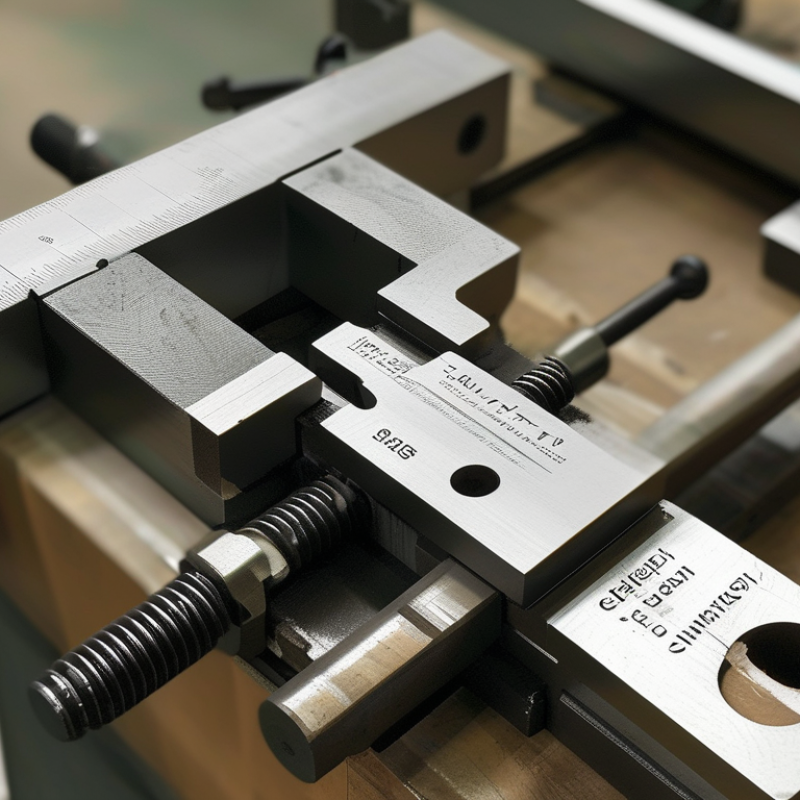
Engineering fixtures play a critical role in manufacturing processes. They ensure precision, stability, and repeatability during production. A well-designed fixture supports workpieces accurately, reducing errors and enhancing quality. The right fixture helps streamline operations and minimizes wastage. However, selecting the ideal fixture is not always straightforward.
Consider the specific manufacturing requirements. Every project has unique demands. Those demands can influence fixture design. You might need to re-evaluate your choices based on feedback from the production floor. This iterative approach can lead to better outcomes.
Another important aspect is to assess the material compatibility. Different fixtures work best with specific materials. Misalignment can result in defects and additional costs. Testing various options can expose weaknesses in your initial selection. Be open to reassessing your solutions as production evolves.
10 Essential Tips for Choosing the Right Engineering Fixtures - Understanding the Role of Engineering Fixtures in Manufacturing Processes
| Tip Number |
Tip Description |
Importance |
Considerations |
| 1 |
Define the Purpose |
High |
Identify what you need the fixture for. |
| 2 |
Material Selection |
Medium |
Choose materials that suit heat and load conditions. |
| 3 |
Design for Accessibility |
High |
Ensure ease of access during production. |
| 4 |
Custom vs Standard |
Medium |
Decide if a custom fixture is needed. |
| 5 |
Evaluate Clamping Mechanisms |
High |
Ensure secure and effective part holding. |
| 6 |
Consider Durability |
High |
Select durable materials to reduce costs over time. |
| 7 |
Assess Weight and Size |
Medium |
Ensure it fits within the workspace constraints. |
| 8 |
Cost-Benefit Analysis |
High |
Evaluate the cost associated with the fixture. |
| 9 |
Pilot Testing |
High |
Test the fixture before full-scale production. |
| 10 |
Seek Expert Advice |
Medium |
Consult with industry experts for insights. |
Identifying Key Requirements for Your Specific Engineering Application
When selecting engineering fixtures, understanding specific application requirements is crucial. Every project has unique needs that demand careful consideration. For instance, the materials used in your application can significantly influence fixture selection. Metal fixtures might be necessary for high-stress environments, while lighter materials could suffice for less demanding tasks.
Precision is key. If your application requires exact measurements, opt for fixtures with adjustable settings. This allows for fine-tuning and accommodating various components. Don't underestimate the significance of ergonomics and ease of use. Operators need to work efficiently, and cumbersome fixtures can hinder productivity.
However, it's important to reflect on past choices. Some fixtures may have worked well in theory but fell short in practical applications. Learning from these experiences can lead to better decision-making. Gathering feedback from operators can provide insights into fixture performance. This information is invaluable for future projects, helping to avoid repeating past mistakes. Balancing between ideal specifications and real-world applications is essential for optimal fixture selection.
Evaluating Material Options for Durability and Performance
Choosing the right material for engineering fixtures is crucial for achieving durability and performance. Various materials can impact the lifespan and efficiency of these fixtures. Steel, for instance, is known for its strength. However, it can be heavy and prone to corrosion without proper treatment. Aluminum offers a lightweight alternative, but may not withstand high temperatures. There’s a balance to strike.
Plastics and composites are gaining traction in the industry. They are often more resistant to chemicals and moisture, which enhances longevity. Yet, their performance under heavy loads can be questionable. Each application requires careful consideration of these properties. Evaluating the specific demands of a project is essential.
Engineers often encounter trade-offs when selecting materials. Cost, availability, and processing methods also play roles. It’s vital to weigh these factors against the end requirements. Mistakes can lead to increased costs and project delays. A reflective approach to material selection can prevent common pitfalls.
Assessing Cost-Effectiveness and Budget Constraints in Fixture Selection
When selecting engineering fixtures, assessing cost-effectiveness is crucial. Start by determining your project budget. This sets clear financial boundaries. A tight budget can limit options. Consider what features are absolutely necessary. Prioritize these over additional functions that may add costs.
Evaluating costs involves more than just upfront prices. Analyze the long-term expenses associated with each fixture. Maintenance and durability matter. A lower price may lead to frequent replacements. Sometimes, spending more upfront can lead to savings down the line.
It’s also important to reflect on potential hidden costs. Installation fees, shipping, and training can add up. Don’t overlook these factors. Ensure that every choice aligns with your financial goals. Flexibility in your budget can allow for unexpected needs. Each decision should support overall project success.
Testing and Prototyping Fixtures for Optimal Functionality and Precision
When it comes to testing and prototyping fixtures, precision is vital. Fixtures need to hold components securely during testing. They must be designed to accommodate various shapes and sizes. An overlooked aspect is the need for flexibility. Fixtures should allow for adjustments and modifications. This adaptability can significantly reduce testing time and costs.
Consider the materials used in these fixtures. Metal offers durability, while plastic can be lightweight and moldable. Each material has its pros and cons. It’s essential to weigh these factors carefully. Sometimes, a hybrid approach works best, combining strengths from multiple materials.
Evaluating your fixture's design process is often where improvements can be made. Communication with engineers and technicians is key. Gather feedback and be open to changes. A collaborative approach can reveal insights that enhance functionality. Remember, the goal is optimal performance. Embracing imperfections can lead to innovative solutions.