How to Choose the Right Part Fixture for Your Project?
Choosing the right part fixture is crucial for the success of any manufacturing project. A well-designed fixture enhances efficiency, reduces errors, and increases overall quality. According to a report by the International Manufacturing Technology Show (IMTS), proper fixture selection can improve production rates by over 25%. This statistic highlights the importance of not only selecting but also customizing fixtures to fit project needs.
Part fixtures come in various designs and materials. Each option impacts the project in unique ways. For example, a steel fixture may offer more durability, while an aluminum fixture can be more lightweight and easier to handle. However, the ideal choice often depends on specific project requirements and budget constraints. Many engineers report facing challenges when matching the right fixture to their design. Their reflections often reveal gaps in understanding which fixtures best serve their tasks.
In the quest for efficiency, it's easy to overlook the subtle details that differentiate one part fixture from another. A precise selection process requires careful analysis of the project's needs and potential obstacles. The complexity of modern manufacturing demands a thoughtful approach to fixture choices. Often, revisiting the basics of fixture design and purpose can illuminate better options for performance and reliability in your project.
Understanding the Importance of Part Fixtures in Manufacturing
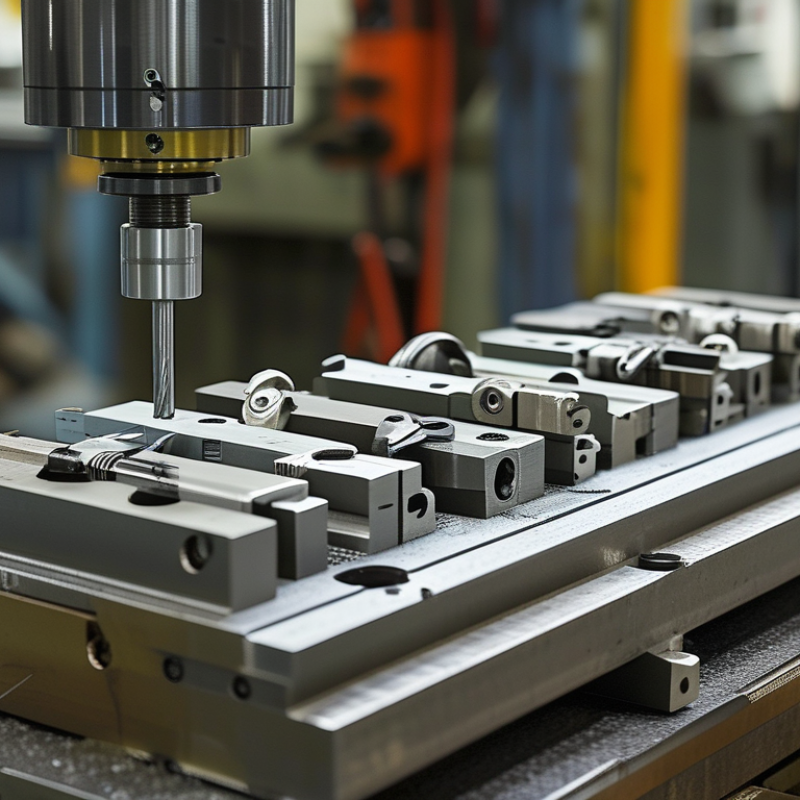
Part fixtures play a vital role in manufacturing. They secure components during production processes like machining, welding, or assembly. A properly designed fixture enhances precision, reduces errors, and increases efficiency. Without the right support, parts can shift, leading to production flaws.
Choosing a part fixture involves understanding specific project requirements. Material type, part geometry, and manufacturing methods should influence your decision. For complex shapes, adjustable fixtures can provide flexibility. However, a simple design may suffice for straightforward tasks. Balancing versatility and stability is essential.
It’s also important to reflect on your fixture's design. An overly complex fixture might complicate the assembly process. Think about maintenance and ease of use. A fixture that is hard to adjust may slow down production.
Regular evaluations of fixture performance can reveal areas for improvement. Crafting the perfect fixture is an ongoing journey requiring patience and insight.
Identifying the Specific Requirements of Your Project
Choosing the right part fixture for your project starts with understanding your specific requirements. Different projects call for various materials and designs.
Identify the weight and dimensions of the parts you will be working with. Knowing these factors helps narrow down your choices significantly.
Tips: Always consider the environment where the fixture will be used.
Will it be exposed to extreme temperatures or corrosive materials? This knowledge is crucial.
It’s also important to reflect on the necessary adjustability of your fixture. Some projects might require frequent changes. Choose versatile options that allow for this adaptability without compromising stability.
Tips: Take time to think about the ease of assembly and disassembly. Complex fixtures can slow down your workflow. A simpler design may lead to more efficient operations.
Evaluating Different Types of Part Fixtures Available
When selecting a part fixture for your project, understanding the various types available is crucial. Different fixtures serve different functions. For example, some are designed for high precision, while others offer flexibility. Think about the specific needs of your project. Will you require a fixture that can adapt to different sizes and shapes? Or do you need something more rigid? These considerations impact the overall efficiency of your project.
Consider the material of the fixture as well. Aluminum fixtures are lightweight and portable, making them suitable for smaller projects. Steel fixtures, on the other hand, are robust and ideal for heavy machining tasks. Reflect on your project requirements carefully. It’s common to overlook the importance of durability. A fixture may seem adequate, but its lifespan could affect your workflow.
Moreover, examining ease of setup and alignment cannot be overstated. Some fixtures are easy to work with, while others can be cumbersome. User-friendliness can significantly reduce downtime. Frequent users may find some fixtures tedious. Evaluate how these factors align with your operational expectations. Choosing the right fixture is an iterative process that involves testing and adjusting.
How to Choose the Right Part Fixture for Your Project? - Evaluating Different Types of Part Fixtures Available
| Fixture Type |
Material |
Applications |
Advantages |
Disadvantages |
| Manual Fixture |
Aluminum |
Assembly Tasks |
Cost-effective, easy to adjust |
Labor-intensive, potential for human error |
| Automated Fixture |
Steel |
Mass Production |
High efficiency, repeatability |
Higher initial investment, complex setup |
| Modular Fixture |
Plastic |
Flexible Applications |
Versatile, easy to modify |
May not be as sturdy, limited lifespan |
| Specialized Fixture |
Carbon Fiber |
High Precision Tasks |
Lightweight, high-strength |
Expensive, requires specific design |
Considering Material and Design Factors for Optimal Performance
Choosing the right part fixture hinges significantly on material and design factors. A critical report from the Precision Tool Association indicates that improper material selection can lead to defects in production. For example, selecting a lower-grade aluminum could compromise strength. This could result in part failures during assembly or operation.
Design factors also play a crucial role in fixture success. The design must support the part correctly while minimizing excess weight. Research shows that over-engineered fixtures can waste time and resources. Additionally, a fixture's adaptability can enhance its lifespan by accommodating various part geometries. Thus, thoughtful design iteratively enhances both performance and efficiency.
While these principles seem straightforward, many projects still encounter issues. Some teams overlook the importance of testing. This step helps identify weaknesses early on. Regular evaluations, even during production, can uncover unforeseen challenges. Such reflections are pivotal for continuous improvement in fixture performance.
Benefits of Custom versus Standard Part Fixtures
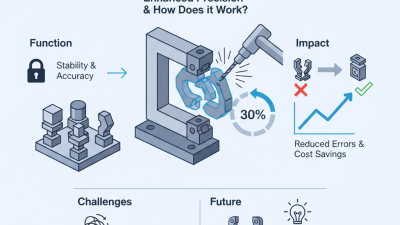
When selecting a part fixture for your project, understanding the benefits of custom versus standard fixtures is crucial. Custom fixtures are designed to meet specific project requirements. They offer precise fit and functionality, which enhances production efficiency and product quality. According to a report by the National Association of Manufacturers, companies that utilize custom fixtures can see productivity boosts of up to 30%. This significant improvement can lead to substantial cost savings over time.
On the other hand, standard fixtures come with shorter lead times and lower upfront costs. They are ideal for projects with less complex needs or those on a tight budget. However, relying on standard fixtures may limit the flexibility needed in sophisticated assembly processes. Some manufacturers report that over 40% of their projects suffer from inefficiencies due to inadequate standard fixtures.
Tip: Assess your project's complexity before choosing. This will help you decide if a custom or standard fixture will be more advantageous. Additionally, consider testing a small batch with both types of fixtures. This can highlight areas for potential improvements. Always weigh the long-term benefits against initial costs to make the best decision.
Benefits of Custom vs. Standard Part Fixtures