How to Choose the Right Assembly Fixture for Your Needs?
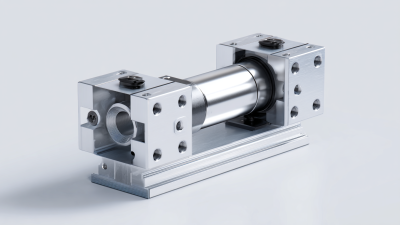
Choosing the right assembly fixture is crucial for enhancing production efficiency and quality. An assembly fixture is a tool that holds, supports, and locates workpieces. Selecting the appropriate type can be challenging. It requires a keen understanding of your specific needs and constraints.
Consider the materials you work with. Different fixtures cater to various materials, impacting durability and performance. Also, think about the precision required for your projects. Some fixtures offer high accuracy, while others are more versatile but may lack precision. You must strike a balance between these factors.
Real-world demands fluctuate. An assembly fixture ideal for one project could fall short for another. You might find yourself reflecting on past choices that didn't meet expectations. Therefore, it’s essential to evaluate your requirements continually as they evolve. Making an informed choice today can lead to improved outcomes tomorrow.
Factors to Consider When Selecting an Assembly Fixture
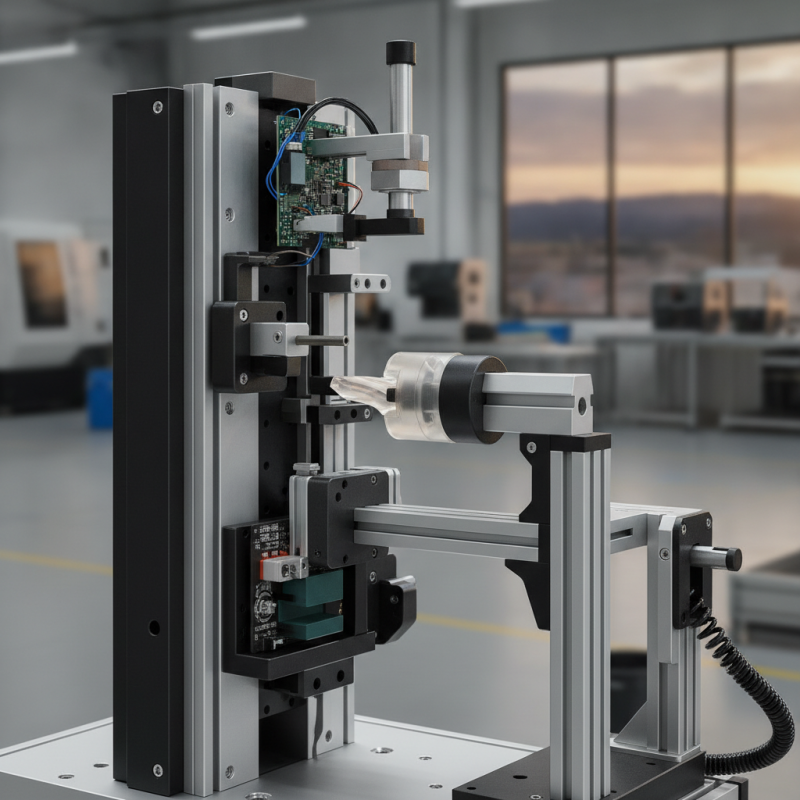
Choosing the right assembly fixture is crucial for efficient production. Several factors play a role in this decision. One key aspect is the material of the fixture. Consider the weight and type of components being assembled. For instance, lighter materials may suffice for smaller components, while heavy-duty fixtures are necessary for larger assemblies.
Another important factor is the complexity of the assembly process. A simple process might only require basic alignment, while a complex assembly may need adjustable fixtures. Evaluate how many adjustments are needed during assembly. If there's high variability in the products, consider fixtures that allow quick changes.
Tips for efficiency:
- Assess the production volume. Higher volumes may benefit from more durable fixtures.
- Review your workspace layout. Designated areas for assembly can improve workflow.
- Don’t overlook maintenance. Fixtures need regular checks to ensure reliability.
Ignoring these elements could result in delays. Be ready to make changes based on the feedback from your team.
Regular discussions can highlight areas needing improvement. Always scrutinize your fixtures for effectiveness and precision.
Types of Assembly Fixtures and Their Applications
When selecting assembly fixtures, understanding their types and applications is crucial.
General assembly fixtures are versatile and widely used. They help streamline production processes.
However, they may lack specific features for unique tasks. For instance, a study by the Manufacturing Institute indicates that 70% of assembly lines benefit from tailored fixtures to enhance efficiency.
This suggests that while general solutions are helpful, customized options can drive productivity.
In contrast, pneumatic and hydraulic fixtures are integral in industries requiring heavy lifting.
These fixtures can handle parts weighing thousands of pounds. According to data from the American Society of Mechanical Engineers,
firms using hydraulic fixtures report up to a 50% reduction in assembly time. Yet, they require careful maintenance and training.
Ignoring these needs can lead to safety hazards and operational setbacks.
Robotic fixtures represent another growing segment. Their use in automated processes is increasing.
However, their integration can be complex. Many companies face challenges in programming and setup.
Reports show that almost 30% of automation projects experience delays due to fixture issues.
This highlights the need for careful planning and expertise during selection.
Each type of fixture presents unique benefits and challenges, emphasizing the importance of informed decisions.
Evaluating Material and Durability for Your Fixture Needs
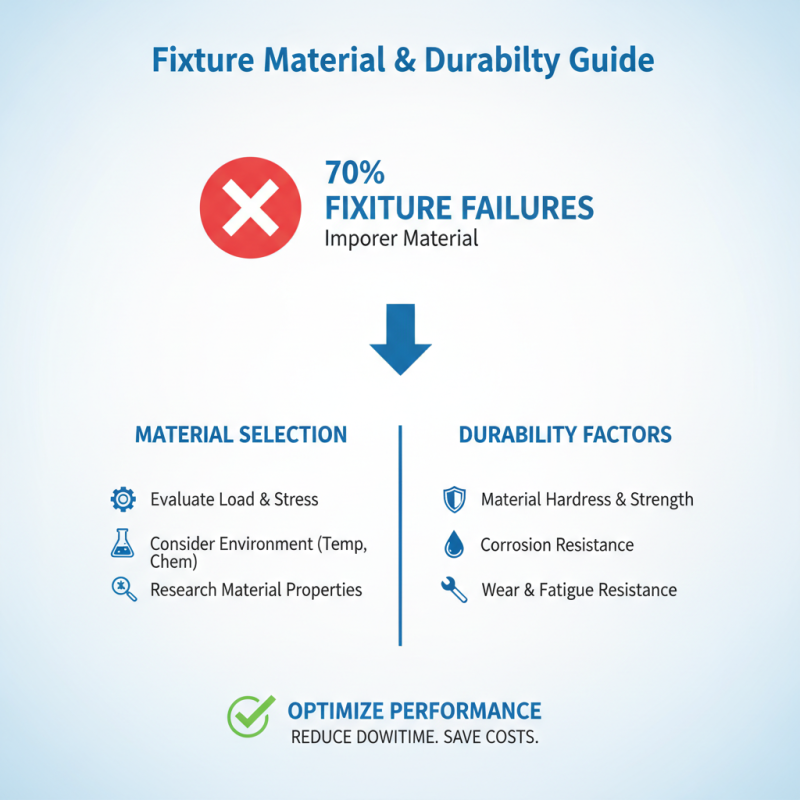
Choosing the right assembly fixture begins with evaluating the materials and their durability. Research indicates that nearly 70% of fixture failures stem from improper material selection. Thus, understanding material properties is critical.
When assessing materials, consider their load-bearing capacity and resistance to wear. Aluminum fixtures are lightweight yet strong, often used in automotive industries. Steel, while heavier, provides exceptional strength and durability. For applications with high corrosion exposure, stainless steel or specialized alloys may be ideal.
A recent report highlights that nearly 30% of assembly line downtime is due to fixture-related issues. Ensuring fixtures endure operational stresses is crucial. This evaluation should include environmental factors. For example, high-temperature resistance is essential in certain industries. Regular maintenance protocols can also enhance durability, extending the product's lifespan and reducing replacement costs. Selecting the appropriate material requires careful consideration of these variables, balancing performance with cost.
Customization Options for Assembly Fixtures
When considering assembly fixtures, customization options play a crucial role in achieving optimal efficiency. Different production lines have unique needs. A one-size-fits-all approach often leads to inefficiencies. According to a report by the Society of Manufacturing Engineers, customized fixtures improve assembly speed by 20% to 35%. This demonstrates the significant impact that tailored solutions have on productivity.
Customization can range from simple adjustments to complex designs. Adjusting height settings or adding interchangeable components can vastly enhance usability. However, too much customization can complicate the process, leading to potential delays or errors. Organizations often struggle to strike the right balance. Over-customization can also increase costs without proportional benefits.
Moreover, the material choice is critical in the design process. Lightweight materials may reduce fatigue but can undermine durability. Steel fixtures, while robust, add weight and may hinder maneuverability. Consistent evaluation of these factors is essential to ensure fixture effectiveness. Customization should ultimately serve the production goals while remaining adaptable.
How to Choose the Right Assembly Fixture for Your Needs? - Customization Options for Assembly Fixtures
| Customization Option |
Description |
Benefits |
Ideal For |
| Modular Design |
Allows for interchangeable components to adapt to different tasks. |
Flexibility and cost-efficiency for varied production runs. |
Manufacturers with diverse product lines. |
| Automation Integration |
Compatibility with robotic arms and automated machinery. |
Increased efficiency and reduced labor costs. |
High-volume assembly environments. |
| Material Selection |
Choice of materials such as aluminum, steel, or composite. |
Enhanced durability and weight management. |
Heavy-duty applications and lightweight assembly. |
| Ergonomic Design |
Focus on user comfort and efficiency. |
Reduced fatigue and increased productivity of operators. |
Work environments with repetitive tasks. |
| Custom Sizing |
Fixtures tailored to specific product dimensions. |
Accurate placements and reduced errors in assembly. |
Businesses with unique product shapes and sizes. |
Budgeting and Cost-Effectiveness in Fixture Selection
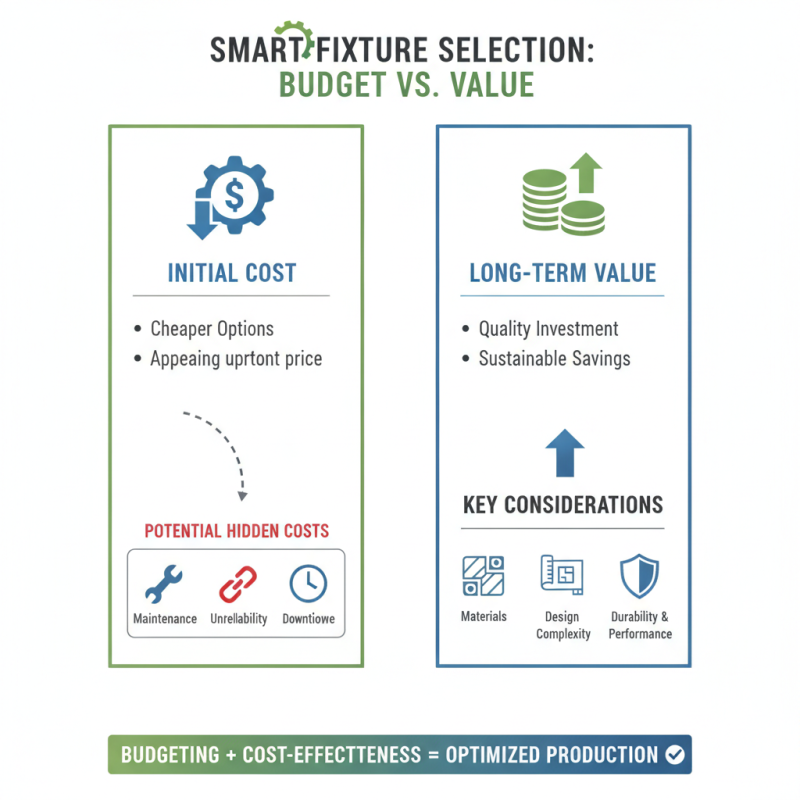
When selecting an assembly fixture, budgeting plays a crucial role. The cost of fixtures can vary significantly. A cheaper option may seem attractive at first, but hidden costs can arise. Consider the materials and design complexity. These factors influence not only the initial price but long-term reliability and maintenance as well.
Cost-effectiveness means striking a balance between quality and budget. A low-cost fixture might require frequent repairs or replacements. This can lead to higher costs over time. Conversely, investing in a robust fixture might save money in the long run. Evaluate your production volume and the types of tasks. These details help in understanding the right fit for your budget.
Reflect on the total cost of ownership. This includes not just purchase price but also maintenance and operational costs. Sometimes, spending more upfront can yield better results. Think about the impact on efficiency and productivity. Quality fixtures enhance workflow. They minimize errors, which often leads to cost savings.