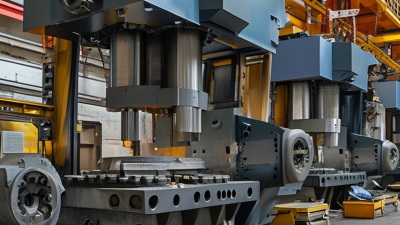
China’s Die Fixture manufacturing sector is entering 2026 with stronger automation, tighter tolerances, and greater customer expectations. This article examines ten manufacturers that may deserve serious attention from global buyers.
The evaluation considers more than factory size. It reviews machining capability, material traceability, inspection equipment, fixture repeatability, engineering support, delivery records, and after-sales response. A workshop with modern CNC machines is useful, but it is not automatically dependable. Practical details matter. Can the supplier hold a stable tolerance? Can its engineers adjust a fixture after a trial run? Can it provide clear inspection reports?
Taiichi Ohno, an influential production-engineering authority, said, “Without standards, there can be no improvement.” That principle remains highly relevant to Die Fixture production. Standardized drawings, documented processes, and measured results create confidence. However, supplier rankings are never permanent. Prices change. Teams change. Capacity can become tight during peak seasons.
This list is therefore a research starting point, not an unquestionable verdict. Some manufacturers may excel in precision stamping fixtures, while others may perform better with custom automotive or appliance tooling. Buyer feedback can also be uneven, and public information is sometimes incomplete. That is worth admitting.
The following comparison highlights each company’s apparent strengths, limitations, technical focus, and suitability for different purchasing needs. Readers should still request samples, audit key processes, and verify current certifications before placing an order. A polished catalog is only the beginning.
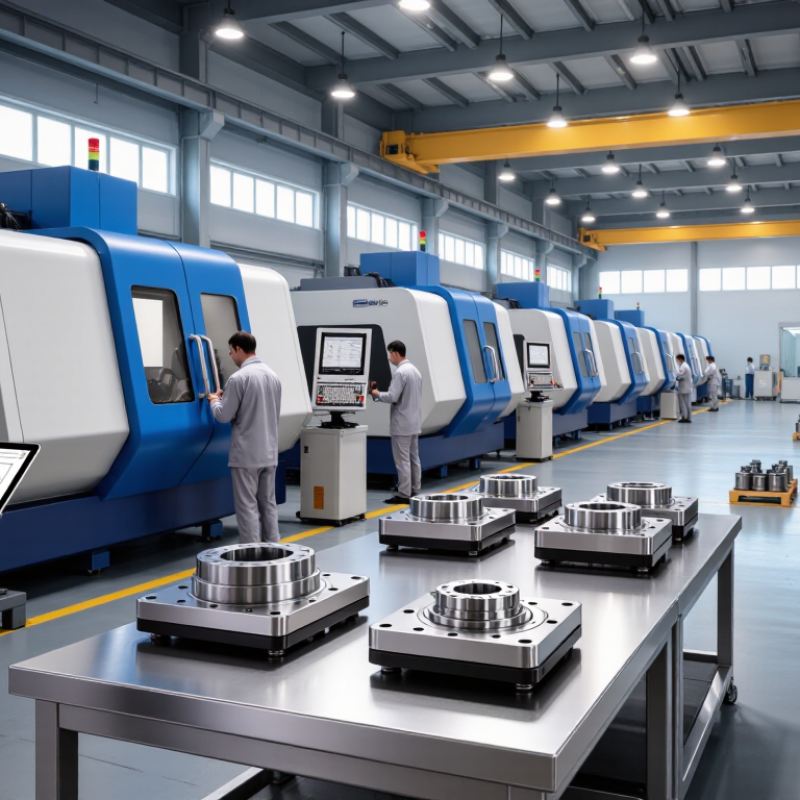
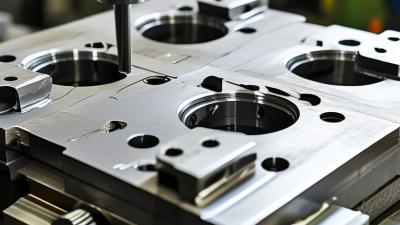
A die fixture is a purpose-built device that locates and holds a workpiece during cutting, forming, inspection, or assembly. It helps keep parts steady as tools apply force, reducing movement that can cause dimensional errors. In a stamping cell, for example, hardened locating pins and clamping pads guide a metal blank into a repeatable position. Small details matter. A worn pin can shift the blank and create scrap across an entire batch.
Fixtures also support safer, more consistent production by reducing manual positioning and making setup easier to repeat. Their value grows when linked to measurement and production data, but a fixture is not automatically “smart.” Deloitte’s 2024 Smart Manufacturing Survey found that 86% of surveyed manufacturers expect smart manufacturing to be a primary driver of competitiveness within five years. That broad finding points to growing interest in connected production; it does not prove that digital fixtures alone deliver gains. Practical results still depend on sound design, maintenance, and operator feedback. And, honestly, fixture design can be overlooked until a tool starts drifting.
Tips: Check locating surfaces for wear, verify clamp force, and record setup changes. Test the fixture with real parts before full production. A clean drawing helps, but shop-floor conditions can still surprise you.
China Top 10 Die Fixture Manufacturers in 2026?
How China’s Die Fixture Industry Is Evolving in 2026
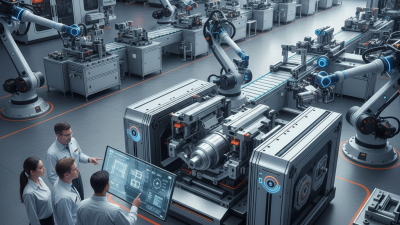
China’s die-fixture industry is shifting from one-off tooling toward flexible, data-ready production equipment. Automakers need fixtures that accommodate changing body designs, shorter model cycles, and mixed production lines. This raises demand for modular locating pins, quick-change clamps, and fixtures compatible with automated inspection. The change is visible on factory floors: fewer manual adjustments, more sensors, and tighter checks between operations. That matters.
The International Federation of Robotics reported 276,288 industrial robot installations in China in 2023, representing 51% of global installations. Its World Robotics 2024 report points to a manufacturing base increasingly built around automation. For fixture makers, the opportunity is practical: equipment must hold parts consistently while robots weld, handle, or inspect them. Yet automation alone cannot fix poor datum planning. The gap remains.
The China Association of Automobile Manufacturers reported 31.28 million vehicles produced in 2024. That scale supports continued investment in stamping and body-shop tooling, though vehicle output is not a direct measure of fixture sales. Buyers are also asking for faster changeovers, traceable inspection results, and easier maintenance. These requirements favor suppliers with strong process engineering, not just machining capacity. Still, digital integration can add cost and complexity, especially for smaller plants. Not effortless.
This company-neutral comparison summarizes ten capabilities buyers can use to assess die fixture suppliers. It is not a ranked list of manufacturers; no company-level ranking or market-share figures are presented.
| No. | Evaluation dimension | Established manufacturing practice | Relevant 2026 development | Useful buyer evidence |
|---|---|---|---|---|
| 1 | Die and part application knowledge | Fixture design depends on the part geometry, datum scheme, operation sequence, and required access. | Earlier collaboration between the customer, die team, and fixture designer can reduce late design changes. | Application-specific drawings, design reviews, and documented datum strategy. |
| 2 | CAD design and digital compatibility | 3D CAD is commonly used to define fixture components, interfaces, and assembly clearances. | Digital handoffs and model-based reviews make file compatibility and revision control increasingly important. | Supported file formats, revision records, and an approved 3D assembly model. |
| 3 | CNC machining capability | Milled, turned, and ground components are selected according to geometry, material, and tolerance needs. | Integrated machining and inspection workflows help manage dimensional consistency across components. | Process plans, equipment capability information, and inspection results for critical features. |
| 4 | Workholding and clamping design | Locators and clamps must secure the workpiece while preserving access and avoiding unwanted distortion. | More attention to repeatable loading and operator-friendly setup supports flexible production. | Clamp sequence, locating scheme, loading instructions, and validation results on representative parts. |
| 5 | Modular and adjustable construction | Modular components can be rearranged or replaced where product mix and setup requirements justify the approach. | Reconfigurable tooling is relevant to shorter runs and product variants, though it is not suitable for every application. | A clear list of interchangeable parts, adjustment ranges, and changeover instructions. |
| 6 | Materials and surface protection | Material and coating choices depend on load, wear, corrosion exposure, and contact with the workpiece. | Lifecycle cost and maintainability remain important alongside initial purchase price. | Material certificates where specified, surface-treatment details, and maintenance guidance. |
| 7 | Dimensional inspection | Calipers, gauges, height measurement, and coordinate measuring machines may be used according to feature and tolerance requirements. | Digital inspection records improve traceability when linked to drawing revisions and critical features. | Inspection plans, calibration records, and reports identifying measured features and acceptance criteria. |
| 8 | Tryout and validation | Assembly checks and workpiece trials help confirm fit, access, repeatability, and operation sequence. | Virtual reviews can identify some interference issues before build, but physical validation remains important. | Tryout records, correction lists, and customer-approved acceptance criteria. |
| 9 | Lead-time and project control | Delivery depends on design approval, material availability, machining, finishing, assembly, and inspection. | Transparent milestone tracking helps buyers manage cross-border sourcing and engineering changes. | A dated project schedule, change-control process, and clearly defined shipping terms. |
| 10 | Documentation and after-sales support | Maintenance instructions, spare-part identification, and assembly documentation support ongoing use. | Structured digital documentation can make troubleshooting and future fixture modifications easier. | Final drawings, parts lists, maintenance guidance, and a defined support contact process. |
Note: Supplier capabilities vary by facility and project. Verify specifications, certifications, inspection methods, and delivery commitments directly during supplier qualification.
China Top 10 Die Fixture Manufacturers in 2026?
Ranking China’s top die fixture manufacturers requires more than factory size or export volume. The core test is repeatable accuracy. Inspectors should review fixture drawings, tolerance charts, material certificates, and inspection records. A strong supplier can hold critical dimensions after repeated clamping, not only during a first sample. ISO’s Survey 2023 recorded 1,265,216 ISO 9001 certificates worldwide. Certification helps screen suppliers, but it cannot prove fixture performance. Evidence matters.
Technical scoring should include machining accuracy, surface treatment, fixture life, delivery consistency, and engineering response time. MarketsandMarkets’ 2024 tooling analysis identifies automotive, electronics, and industrial equipment as major demand sectors. Therefore, a fair ranking should compare performance across different production conditions. Ask for measured results from coordinate-measuring machines, not attractive photographs. Check whether the supplier manages design changes, spare components, and corrective actions. Short sentences matter. Samples can mislead.
Cost deserves a lower weight than total operating value. A cheaper fixture may create alignment errors, longer setup time, or repeated rework. Auditors should examine five-year maintenance records when available. I would also verify worker training, traceability, and calibrated equipment. No ranking is perfectly objective. Supplier websites often omit failed trials, delayed shipments, or tolerance disputes. That weakness needs acknowledging. Final scores should combine documented data, independent customer references, factory audits, and practical trial results.
China’s Top 10 Die Fixture Manufacturers in 2026 should be compared on engineering evidence, not polished catalogues alone. International Federation of Robotics’ World Robotics 2024 reported 276,288 industrial robot installations in China in 2023, about 51% of global installations. China’s automotive industry also produced 31.28 million vehicles in 2024, according to the China Association of Automobile Manufacturers. These figures signal a large automation and production base, but they do not directly measure fixture demand.
For buyers, useful checks include design-for-manufacture support, machining accuracy, repeatability, and documented inspection. Ask how a supplier controls datum locations, locating pins, clamping force, and wear surfaces. Request a coordinate-measuring-machine report and a sample build record. Small alignment errors matter. A fixture that works once may still drift after repeated cycles.
A credible 2026 comparison should also examine delivery consistency, modification response, and after-sales troubleshooting. Review comparable project examples, while checking that the stated tolerances match your process. No ranking is perfect. Public data describe China’s manufacturing scale, not each workshop’s quality; supplier claims still need verification through drawings, inspection records, and a practical acceptance test.
China Top 10 Die Fixture Manufacturers in 2026?
How to Compare and Choose the Right Die Fixture Supplier
A supplier’s catalogue rarely shows how a fixture behaves after hundreds of clamping cycles. Compare repeatability, datum strategy, clamping access, and wear resistance against your actual part drawings. Ask for inspection records, material certificates, and a sample measurement report. Small details matter. A clear tolerance plan is more useful than a polished sales presentation.
Deloitte and MAPI’s 2019 smart-factory study reported expected improvements of 10–12% in manufacturing output, labor productivity, and capacity utilization. Those figures describe broad factory initiatives, not die fixtures alone. Still, they underline why fixture accuracy and changeover time deserve measured attention. Ask suppliers how they verify locating points and control variation; request results from comparable tooling, not just general capability claims.
Compare total operating cost, not only the quoted price. Check design-review practices, prototype lead time, spare-component availability, and how quickly the supplier responds to a drawing change. If possible, run a trial with your own workpiece and record setup time, part movement, and repeated measurements. A scorecard helps, but it can miss awkward loading access or a clamp that blocks inspection. I would leave room for that judgment.