What is Die Fixture and Its Importance in Manufacturing?
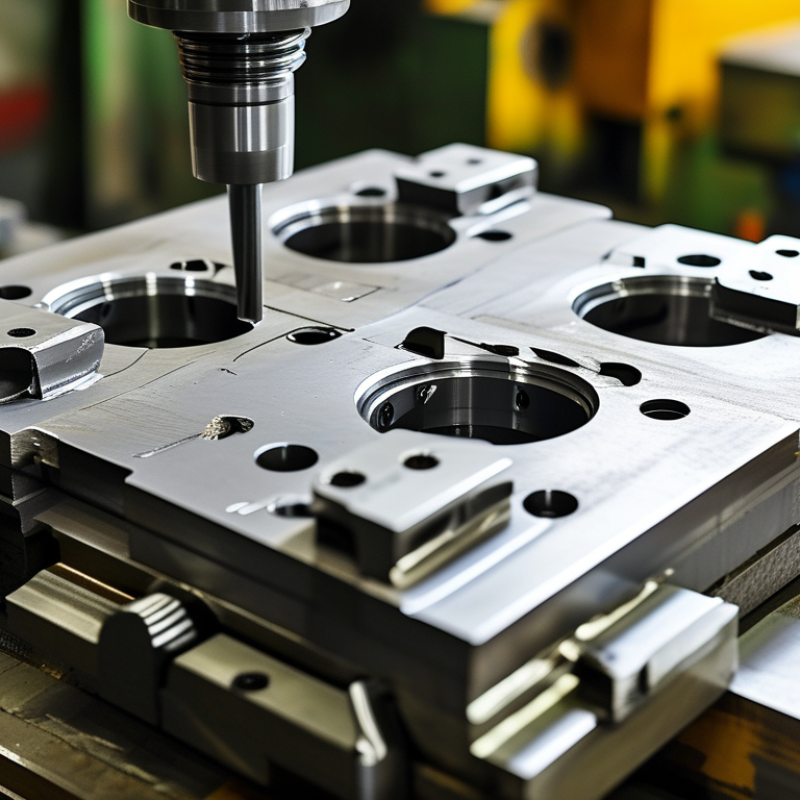
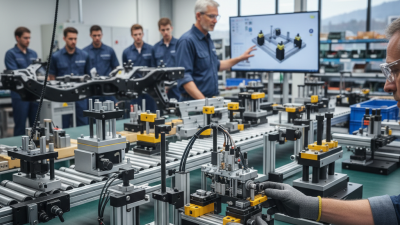
Die fixtures are crucial tools in manufacturing. They hold and support components during production. Properly designed die fixtures enhance accuracy and efficiency.
In the manufacturing realm, the significance of die fixtures extends beyond mere functionality. They ensure that parts remain stable and aligned. This alignment minimizes errors, leading to better quality products. However, not all die fixtures meet production needs perfectly. Some might lack adaptability or precision. This can cause delays and increased costs.
Reflecting on die fixture design is essential. Continuous improvement in this area can yield significant benefits. Companies must seek reliable solutions to enhance their die fixtures further. Emphasizing quality and innovation will lead to better manufacturing outcomes.
Definition of Die Fixture in Manufacturing Processes
Die fixtures are essential components in the manufacturing process. They are custom-made tools that hold workpieces in place during machining, welding, or assembly. The purpose of a die fixture is to enhance precision and repeatability, which are vital for high-quality production. According to a report by the Manufacturing Institute, improving fixture design can boost efficiency by 25%, significantly impacting overall productivity.
In practice, die fixtures are designed to accommodate different shapes and sizes of workpieces. Factors such as material type, weight, and processing speed influence the fixture design. For instance, errors in fixture dimensions can lead to misalignment during operations. A study indicates that 30% of the defects in manufactured parts stem from poor fixture design. This highlights the need for meticulous planning and execution in fixture creation.
Despite their importance, some manufacturers overlook fixture maintenance. Regular inspections and adjustments can mitigate wear and tear, which might otherwise compromise the manufacturing quality. Continuous improvement in fixture design and maintenance practices can foster a culture of excellence in manufacturing. Manufacturers should reflect on their current fixture strategies to identify areas needing enhancement.
Types of Die Fixtures Used in Different Manufacturing Industries
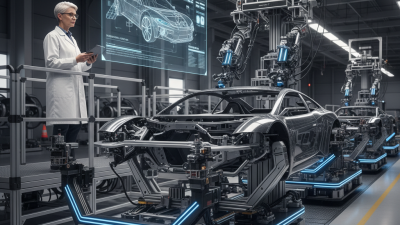
Die fixtures are essential tools in manufacturing, providing stability and precision for various machining processes. Different industries utilize specific types of die fixtures tailored to their unique requirements. For instance, automotive manufacturing often employs multi-station fixtures to streamline assembly. According to a report from the National Institute of Standards and Technology, organizations that integrate advanced fixtures can improve production efficiency by up to 30%.
In aerospace, precision is paramount. Aerospace manufacturers often use custom die fixtures designed for complex geometries. These fixtures ensure accurate positioning of components, crucial for meeting industry standards. A study by the American Society for Quality indicates that 70% of aerospace defects arise from misalignment during production. Thus, tailored die fixtures can significantly reduce error rates.
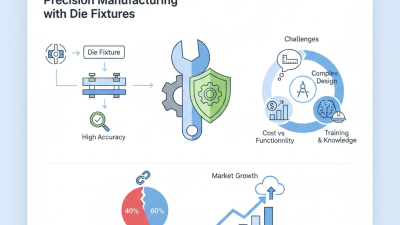
The electronics sector takes a different approach by using smaller, more versatile die fixtures. These fixtures accommodate intricate circuit board designs. The rise of electric vehicles and wearable devices has increased the demand for these fixtures. Industry analysts predict a continued growth, with a projected market size increase of 25% in the next five years. However, the challenge remains in balancing cost and innovation, as overly complex fixtures can lead to production bottlenecks.
Die Fixture Usage in Manufacturing Industries
The Role of Die Fixtures in Enhancing Precision and Accuracy
Die fixtures play a crucial role in ensuring precision and accuracy in the manufacturing process. These tools help to securely hold and align workpieces during operations. In fact, reports indicate that companies can reduce fabrication errors by up to 30% when using die fixtures. This enhanced accuracy leads to better product quality and, ultimately, increased customer satisfaction.
Moreover, precise alignment is vital for achieving consistent results. Research shows that adopting die fixtures can decrease production cycle times by approximately 15%. This efficiency not only lowers costs but also improves throughput. However, many manufacturers face challenges when designing and implementing these fixtures. Misalignment or inadequate support can lead to substantial variations in the finished product. Consequently, it may be necessary to revise fixture designs multiple times before achieving optimal performance.
The reliance on die fixtures highlights the importance of investing in proper training and technology. While it is clear that they enhance precision, some may overlook the intricate details involved. For instance, a well-designed fixture requires consideration of material properties, tooling setup, and operational conditions. Neglecting any of these factors can compromise the benefits gained. As the manufacturing sector continues to evolve, ongoing assessment of die fixture applications will be crucial to maintain high standards of quality and efficiency.
Impact of Die Fixtures on Production Efficiency and Cost Reduction
Die fixtures play a crucial role in manufacturing processes. They hold working parts securely during machining operations, ensuring accuracy and consistency. This stability is vital for high-quality production, minimizing defects. According to the National Institute of Standards and Technology, precise fixtures can improve efficiency by up to 30%. This increase saves both time and labor costs.
The impact of die fixtures extends beyond quality. Implementing efficient fixtures can lead to significant cost reductions. A report from the Society for Manufacturing Engineers reveals that optimized die fixtures can decrease production costs by approximately 15%. This reduction results from less material waste and faster cycle times. However, designing effective fixtures requires careful analysis and understanding of specific production needs.
One key challenge is the upfront investment in custom die fixtures. Many manufacturers hesitate to allocate resources to this area. Yet, failure to invest can lead to inefficiencies. A lack of proper tooling can lead to increased rework and wastage. It is essential for manufacturers to weigh these factors carefully. Embracing the right fixture design ultimately transforms production efficiency and cost management.
Maintenance Practices for Ensuring Longevity of Die Fixtures
Maintenance practices are crucial for prolonging the life of die fixtures in manufacturing. A regular schedule should be established to inspect equipment. This involves checking for signs of wear and tear. Small cracks or misalignments can lead to larger issues later. Operators should document these findings and report them promptly.
Cleaning die fixtures is another essential task. Accumulated debris can affect performance and lead to defects in production. Regular cleaning not only enhances visibility but also ensures that all parts function as intended. Using the right cleaning tools is key to avoiding damage. Operators should be trained to recognize the proper methods for their specific equipment.
Lubrication plays a vital role too. Inadequate lubrication can cause friction and rapid wear. Choosing the right lubricant is essential. However, over-lubrication can be just as harmful. Finding the balance requires careful observation and adjustment. Many operators overlook these elements, resulting in unnecessary downtime. Incremental changes and reflections on practices can significantly impact the longevity of die fixtures.
What is Die Fixture and Its Importance in Manufacturing? - Maintenance Practices for Ensuring Longevity of Die Fixtures
| Dimension |
Value |
Importance |
| Material |
Tool Steel |
High durability and resistance to wear |
| Hardness |
58-62 HRC |
Ensures long-lasting performance under stress |
| Weight |
250 kg |
Stability during operations |
| Maintenance Frequency |
Every 1000 cycles |
Prevents wear and ensures precision |
| Lubrication Type |
High-Temperature Grease |
Reduces friction and wear |
| Inspection Frequency |
Weekly |
Ensures correct alignment and function |