2026 Top Automotive Fixtures Trends for Global Buyers?
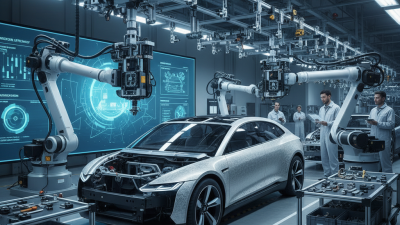
As the automotive industry evolves, so do the innovations that drive it forward. Automotive fixtures play a crucial role in this transformation. These tools and designs help streamline production, enhance safety, and improve efficiency in vehicle manufacturing. With technology advancing rapidly, global buyers must stay ahead of the trends shaping automotive fixtures for 2026.
Emerging technologies are leading to smarter, more adaptable fixtures. Manufacturers are increasingly focusing on automation and precision. This shift aims to reduce waste and improve overall productivity. However, not all developments will meet expectations. Buyers need to assess the reliability of new products carefully.
Sustainability remains a top concern. Many companies seek eco-friendly fixtures to meet growing consumer demands. But, transitioning to sustainable options can pose challenges. It's important for buyers to weigh the benefits against potential implementation hurdles. Observing these trends will aid buyers in making informed decisions as the automotive landscape continues to change.
Emerging Technologies in Automotive Fixtures for 2026
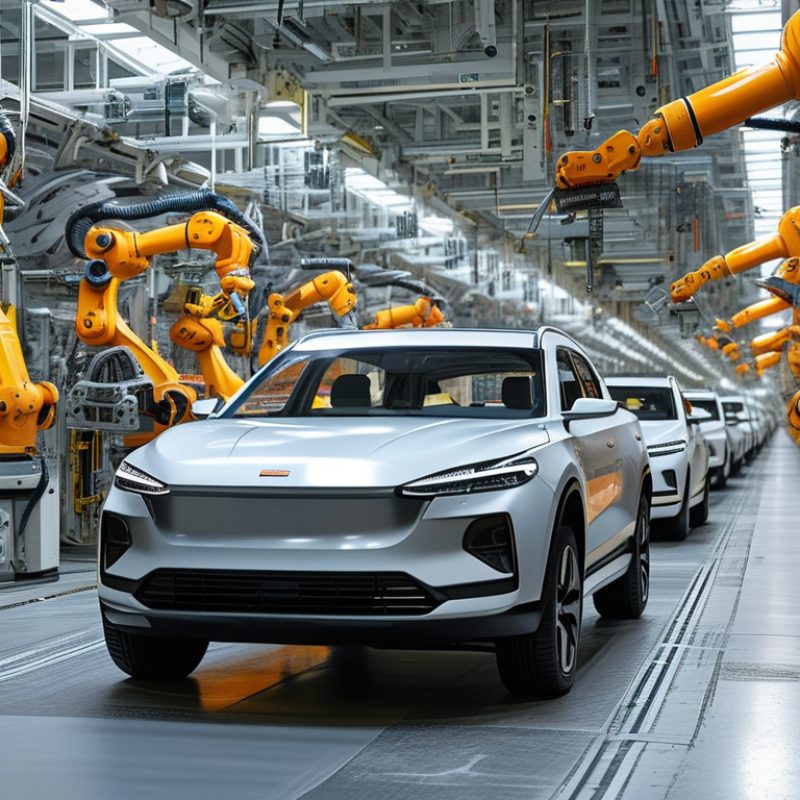
As we look ahead to 2026, the automotive fixtures market is set to undergo significant transformation. Innovations in design and manufacturing processes are reshaping the industry landscape. One of the most intriguing advancements is the integration of smart technology into automotive fixtures. These fixtures can communicate with sensors for improved monitoring and efficiency. They provide real-time data, enhancing quality control during production.
Another trend gaining momentum is the use of sustainable materials. Manufacturers are increasingly focused on reducing their environmental impact. This shift towards eco-friendly materials like bioplastics and recycled metals is not just a trend; it’s a necessity. Companies are exploring ways to make fixtures lighter yet durable. This pursuit is both an opportunity and a challenge, requiring ongoing innovation and adaptation.
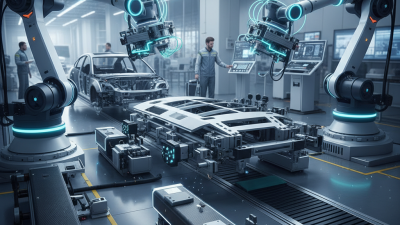
The role of automation cannot be overlooked. Robotics and AI are streamlining the manufacturing process. While these technologies bring efficiency, they also provoke questions about workforce displacement. Balancing technological advancements with employment needs is a complex issue. It requires thoughtful consideration and a long-term vision for the industry's future. As we prepare for 2026, these emerging technologies in automotive fixtures will undoubtedly play a pivotal role in shaping the market.
2026 Top Automotive Fixtures Trends for Global Buyers
| Trend |
Description |
Emerging Technologies |
Expected Impact |
| Smart Fixtures |
Integration of IoT for real-time monitoring and diagnostics. |
IoT Sensors, Automation |
Increased efficiency, reduced downtime. |
| Robotic Fixtures |
Use of collaborative robots for precision assembly tasks. |
Robotics, AI |
Improved accuracy and speed in production. |
| Lightweight Materials |
Adoption of advanced materials for fixtures to reduce weight. |
Composites, 3D Printing |
Enhanced performance, fuel efficiency. |
| Modular Fixtures |
Flexibility in design to accommodate varying manufacturing processes. |
Modular Design, Customization |
Reduced costs, quicker adaption to market needs. |
| Sustainability Initiatives |
Focus on sustainable production practices and materials. |
Recycled materials, Eco-friendly processes |
Reduced environmental impact, compliance with regulations. |
Sustainability Trends Shaping Automotive Fixture Design
The trend of sustainability is reshaping automotive fixture design in significant ways. Manufacturers are increasingly using eco-friendly materials, such as recycled plastics and biodegradable composites. These choices reduce waste and minimize the carbon footprint. Innovative processes, like additive manufacturing, allow for resource-efficient designs, leading to lighter and more efficient fixtures that support electric vehicle needs.
However, not all solutions are flawless. Some materials may lack durability, raising concerns about long-term performance. This gap creates opportunities for further research and development in sustainable options. Additionally, the supply chain for these materials can be inconsistent, impacting reliability during production.
Collaborative efforts among designers, engineers, and environmental experts are essential. Fostering strong relationships ensures that fixtures not only meet performance standards but also adhere to sustainable principles. As the industry evolves, continuous feedback and iteration will be crucial to successfully achieve these goals. The journey towards sustainability in automotive fixtures is ongoing, with both challenges and opportunities.
Impact of Advanced Materials on Automotive Fixtures
Advanced materials are revolutionizing automotive fixtures. These materials, like lightweight composites and high-strength alloys, enhance vehicle performance. They reduce weight while maintaining structural integrity. This shift leads to better fuel efficiency and lower emissions, crucial for today’s eco-conscious consumers.
The adoption of advanced materials poses challenges. Manufacturers face higher production costs and complex processing requirements. There is a need for specialized skills and technology. As companies navigate these hurdles, the balance between innovation and affordability becomes vital. This ongoing evolution requires constant reflection and adjustment in strategies to remain competitive in a fast-paced market.
Understanding how these materials affect fixture design is essential. Advanced materials allow for more intricate designs that were once impossible. However, achieving the right balance between durability and weight remains a significant challenge. Manufacturers must adapt and innovate continually, pushing the boundaries of traditional automotive fixtures.
Customization and Personalization Trends in Automotive Fixtures
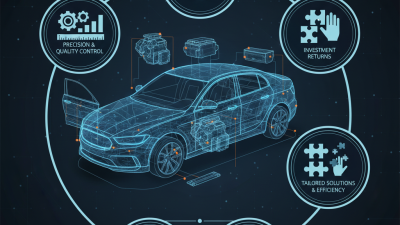
Customization and personalization in automotive fixtures are gaining traction. As the industry evolves, buyers seek unique solutions tailored to their specific needs. This trend is evident in various areas, such as interior lighting and infotainment systems. Companies are investing in technology to meet these demands.
Customization offers consumers the chance to reflect their personalities. With 3D printing, bespoke designs come to life. Buyers now expect options in materials, colors, and functions. However, this shift requires manufacturers to be agile. Balancing efficiency and creativity is not easy. Some brands struggle to keep up with the pace of change.
Personalization enhances the user experience. Features like adjustable seating and custom dashboards are becoming standard. Feedback is crucial for innovation. Constant dialogue with consumers allows for better designs. Yet, not all feedback is practical. Distinguishing valuable input from noise is challenging. The push for tailored solutions must be approached thoughtfully.
Global Market Insights for Automotive Fixtures in 2026
As we look ahead to 2026, the automotive fixtures market is set for transformative growth. Technological advancements are at the forefront. These innovations will enhance vehicle safety and passenger comfort. Consumers increasingly seek fixtures that are both functional and aesthetically pleasing.
When sourcing automotive fixtures, buyers should consider sustainability. Eco-friendly materials will likely dominate future trends. Choosing suppliers who prioritize green practices can provide significant advantages. This approach not only supports the environment but also aligns with consumer preferences.
Staying informed is crucial. Market research can highlight emerging trends. Engaging in industry forums can provide insights into buyer behaviors. Collaboration with experts in automotive design will foster better fixture solutions. It's essential to reflect on which strategies yield true innovation and value. Adapting to market demands requires flexibility and a willingness to revise traditional approaches.