Essential Tips for Choosing the Right Inspection Fixture?
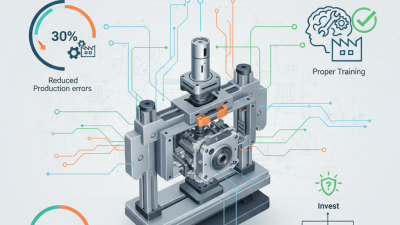
In the manufacturing sector, the importance of selecting the right inspection fixture cannot be overstated. Expert reports indicate that over 30% of production defects can be traced back to improper alignment and measurement. An effective inspection fixture ensures precision and consistency, significantly reducing reject rates. According to industry standards, proper fixtures can enhance inspection efficiency by up to 25%.
Choosing the right inspection fixture involves understanding both the specific requirements of the product and the capabilities of the fixture. Many professionals underestimate the role of material and design. The ideal fixture should cater to various processes, even if it means compromising on versatility for quality. It's a common pitfall to prioritize cost over functionality, which can lead to long-term inefficiencies.
By focusing on quality, manufacturers not only improve outcomes but also boost their overall reputation. While it may seem tempting to cut corners, recognizing the intricacies of inspection fixtures is vital. The right choice impacts productivity and quality assurance. This decision warrants careful consideration and expertise.
Understanding the Purpose of Inspection Fixtures
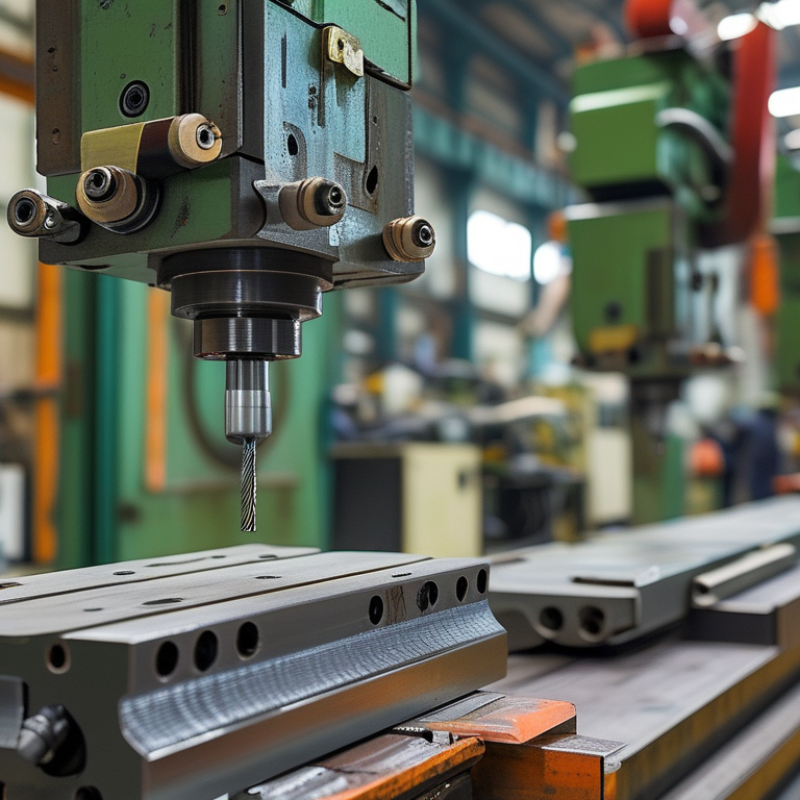
Inspection fixtures play a critical role in quality control processes. They are designed to hold and support parts during inspection. According to the Automation Federation, nearly 40% of manufacturing defects arise from improper measurement techniques. This highlights the necessity of a reliable fixture.
Effective inspection fixtures ensure precision and repeatability. They can minimize the risk of human error, which accounts for a significant portion of quality issues. A study by the National Institute of Standards and Technology (NIST) indicates that variations in measurement can lead to 20% off-spec parts. Choosing an appropriate fixture can significantly reduce these variations.
However, many manufacturers overlook the importance of proper fixture selection. Sometimes, cost-cutting can lead to suboptimal choices that affect quality. The design and materials used can influence accuracy and longevity. A thorough evaluation of specific inspection needs is essential. Factoring in design, durability, and usability can enhance outcomes and minimize future failures.
Key Factors to Consider When Selecting Inspection Fixtures
When selecting inspection fixtures, accuracy is crucial. According to a report by the American Society for Quality, over 40% of manufacturing defects arise from poor measurement techniques. A well-designed inspection fixture can significantly reduce these errors. Consider the material of the fixture. Lightweight materials may not offer the necessary rigidity. Heavy materials, while sturdy, can be cumbersome to handle.
Another key factor is the fixture's adaptability. In a dynamic manufacturing environment, a flexible fixture saves time and resources. Research indicates that companies with versatile fixtures see a 25% increase in productivity. It's essential to evaluate how easily the fixture can accommodate different parts and measurements.
Lastly, assess the ease of use. Complex fixtures may confuse operators, leading to inconsistencies. Operators should feel confident using the equipment. Regular training and feedback can help identify potential issues with the fixture's design. This approach promotes a culture of continuous improvement within the team.
Evaluating Material and Design for Durability and Precision
Choosing the right inspection fixture is crucial for achieving accuracy and reliability in manufacturing processes. When evaluating material and design, consider durability and precision. According to a report by the International Organization for Standardization, up to 30% of measurement errors can be traced back to inadequate fixtures. This makes material selection vital.
Tip: Always choose materials that can withstand your operational demands. For instance, aluminum is lightweight, while steel offers exceptional strength. A fixture made from high-grade materials can enhance lifespan and reduce the frequency of replacements.
Precision in design is equally important. A well-designed fixture ensures that components are held securely during inspection. A survey by the Quality Assurance Association found that 25% of quality issues stem from poorly designed fixtures.
Tip: Incorporate adjustable features in your fixture design. This adaptability allows for modifications based on different tasks. Ultimately, reviewing design and material choices can lead to significant improvements. Reflect on the impact of your decisions on overall quality and operational efficiency.
The Role of Customization in Inspection Fixture Selection
When selecting an inspection fixture, customization plays a critical role. A study by the Manufacturing Engineering Society found that tailored fixtures can increase inspection accuracy by 30%. This emphasizes the importance of fitting the fixture to specific part geometries and sizes. Off-the-shelf solutions often lead to misalignments. Therefore, investing in customized fixtures can enhance quality control significantly.
Tips for choosing the right inspection fixture include assessing the part tolerances and ensuring the fixture design accommodates these requirements. Pay attention to the materials used in the fixture. High-durability materials can withstand repeated use and maintain precision over time. A fixture that fits perfectly can reduce inspection time and costs.
Another insight is to involve operators in the design process. They understand practical challenges firsthand. Their input can help identify potential flaws in the fixture's design. This collaborative approach often leads to innovative solutions. It’s crucial to balance functionality and ease of use. Striking this balance can reduce human errors and improve inspection reliability. Customization, therefore, is not just an add-on but a necessity in the modern manufacturing landscape.
Essential Tips for Choosing the Right Inspection Fixture
This bar chart illustrates the importance rating of various factors when selecting inspection fixtures. Customization flexibility ranks the highest, indicating the need for tailored solutions in inspection processes, while ease of use shows relatively lower importance compared to other factors.
Best Practices for Maintenance and Care of Inspection Fixtures
Maintaining inspection fixtures is key to ensuring accuracy and longevity. Regular cleaning is crucial. Dust and debris can affect measurements. Use a soft cloth and gentle cleaner. Avoid harsh chemicals that may damage surfaces. Keep the fixtures in a dedicated space. A clean, designated area can prevent accidental damage or misplaced components.
Calibration is another vital aspect of maintenance. Schedule routine checks to ensure precision. Over time, even the best fixtures can drift out of alignment. You might not notice subtle shifts in measurements initially. Trust your instincts if something feels off. Document your calibration process. This creates a reliable history for reference and helps with troubleshooting.
Handling fixtures with care is essential. Sudden drops or impacts can cause unseen damage. Whenever possible, use protective covers during storage. Even minor nicks can lead to larger issues down the road. Keep an eye on wear and tear. Small signs can indicate a bigger problem. Regular inspections will help in early detection.
Essential Tips for Choosing the Right Inspection Fixture
| Tip |
Description |
Frequency of Inspection |
Maintenance Action |
| Choose the Right Material |
Select materials that provide durability and resistance to wear. |
Monthly |
Check for signs of wear and replace if necessary. |
| Quality Assurance |
Ensure fixtures are calibrated correctly for accurate measurements. |
Quarterly |
Perform calibration checks and adjustments. |
| Accessibility |
Position fixtures for easy access to facilitate regular checks. |
As Needed |
Reposition or redesign for better accessibility. |
| Proper Storage |
Store fixtures in a controlled environment to prevent damage. |
Monthly |
Inspect storage conditions and adjust as necessary. |
| Routine Cleaning |
Keep fixtures clean to maintain accuracy and prevent debris buildup. |
Weekly |
Establish a cleaning schedule with specified procedures. |