What is a Liquefaction Plant and How Does it Work?
Liquefaction Plants are vital in the energy sector. They play a crucial role in converting natural gas into a liquid form for easier transportation. According to a report by the International Energy Agency, liquefaction capacity has increased significantly, reaching over 500 million tons per year globally. This growth reflects the rising demand for liquefied natural gas (LNG) worldwide.
Dr. Emily Carter, a leading expert in LNG technology, stated, "The success of a liquefaction plant depends on its efficiency and innovation." Her insights highlight the complex processes involved in these facilities. They transform gaseous hydrocarbons into liquid by cooling them to extremely low temperatures. However, the technology is not without challenges.
Many plants face issues like energy consumption and greenhouse gas emissions. These concerns prompt ongoing discussions about sustainability in the industry. The need for more efficient liquefaction plants is clear. As demand escalates, the focus must also shift toward minimizing environmental impacts. Addressing these issues will be crucial for the future of the liquefaction plant sector.
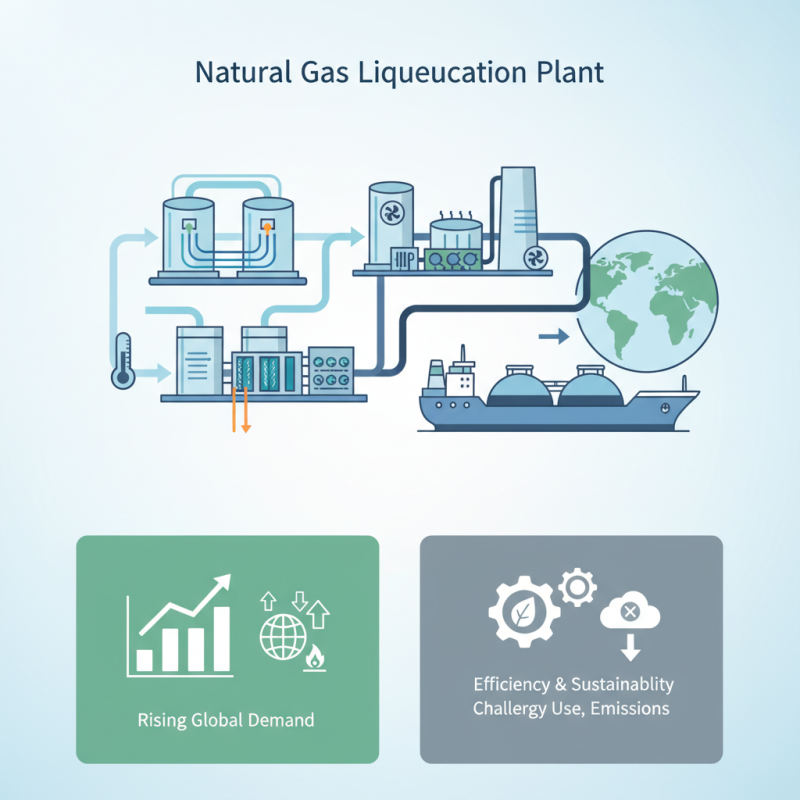
What is a Liquefaction Plant? Definition and Overview
A liquefaction plant is a facility designed to convert gases into liquid forms. This process is essential for various industries. For example, natural gas is often liquefied to facilitate storage and transportation. By cooling gas to extremely low temperatures, it transitions into a liquid state, making it easier to handle and move.
The operation of a liquefaction plant involves multiple stages. Initially, gas is cleaned to remove impurities. Then, it is cooled using advanced refrigeration techniques. This cooling process requires precision and careful management. Small errors can lead to inefficiencies. The final product, liquefied gas, is stored in insulated tanks to maintain its low temperature. These facilities play a crucial role in global energy supply.
However, constructing and operating a liquefaction plant is not without challenges. The environmental impact must be considered. Risks include potential leaks or emissions. Operators aim for safety but must constantly evaluate their procedures. Many aspects of the operation may need refinement. Continuous improvement is key to sustainability in this industry.
Key Components of a Liquefaction Plant and Their Functions
Liquefaction plants play a critical role in the energy sector. They transform natural gas into a liquid form, allowing for easier storage and transport. Key components of these plants include heat exchangers, liquefaction units, and storage tanks. Each part carries distinct functions that contribute to the overall efficiency of the operation.
Heat exchangers cool the natural gas. They prepare the gas for the liquefaction process. They work with high efficiency; studies show they can reach over 90% effectiveness. The liquefaction units then chill the gas further, turning it into liquid under high pressure. These units must be meticulously designed to minimize energy loss. Storage tanks are another essential element. They keep the liquefied gas at low temperatures to maintain its state.
Challenges persist in the operation of liquefaction plants. The need for regular maintenance can lead to downtime. According to industry reports, unplanned outages can affect throughput by nearly 15%. Energy consumption is another concern. Liquefaction plants can be energy-intensive, consuming up to 10% of the gas's energy content. These factors require operators to find a balance between efficiency and operational reliability.
Liquefaction Plant Efficiency by Component
The Liquefaction Process: Step-by-Step Overview
The liquefaction process is vital in converting natural gas into a liquid state. This transformation reduces the volume, making it easier to store and transport. The first step involves chilling natural gas to about -162°C. This extreme cooling condenses the gas into a liquid.
Next, the liquefaction plant employs a series of heat exchangers. These devices regulate heat transfer efficiently. A report from the International Gas Union states that liquefaction plants have become more energy-efficient over the past decade, achieving up to 25% lower energy consumption.
Tips: Regular maintenance ensures optimal performance. It’s essential to monitor temperature levels closely. Any deviation can lead to inefficiencies, impacting output. Additionally, operators must train staff to respond quickly to malfunctions. Staying ahead of potential issues is crucial.
After condensation, the liquid natural gas (LNG) is stored in insulated tanks. These tanks maintain low temperatures to prevent re-gasification. Transport then becomes feasible via specialized LNG carriers. However, transporting LNG has risks. Operators must manage these carefully to avoid accidents. Safety protocols are paramount in these operations.
What is a Liquefaction Plant and How Does it Work? - The Liquefaction Process: Step-by-Step Overview
| Step | Description | Equipment Used | Output |
| 1 | Feed Gas Preparation | Gas Pre-treatment Facility | Purified Feed Gas |
| 2 | Cooling Process | Heat Exchangers | Liquefied Gas |
| 3 | Storage | Cryogenic Tanks | Stored Liquefied Gas |
| 4 | Transportation | LNG Carriers | Transported Liquefied Gas |
| 5 | Regasification | Regasification Units | Natural Gas |
Industry Applications: Where Liquefaction Plants Are Used
Liquefaction plants play a crucial role across various industries. They convert gases into liquid forms, making transportation and storage easier. These plants are primarily used in the energy sector. Natural gas is one of the most common products. By liquefying gas, it becomes more compact. This process enables easier shipping across long distances.
In addition to energy, liquefaction technology is utilized in industrial processes. Chemical manufacturers rely on liquefied gases for production. These plants often support sectors such as refrigeration and air conditioning. They can reduce supply chain challenges in areas lacking infrastructure. However, the environmental impact of these plants cannot be ignored. Emissions and resource consumption merit serious consideration. Continuous improvements are necessary to mitigate their footprint.
Moreover, research into liquefaction applications is ongoing. Emerging markets show potential for new uses. Innovations may lead to more efficient processes. But challenges remain. Balancing efficiency with sustainability is complex. As industries evolve, so will the demand for liquefaction plants. Adaptation and innovation will be key to future success.
Economic and Environmental Impacts of Liquefaction Technology
Liquefaction technology is gaining traction for its potential economic benefits. This method converts natural gas into a liquid state. This process allows for easier storage and transportation. It can reduce shipping costs significantly. It's particularly advantageous for regions without pipeline infrastructure. More countries see this as a viable energy solution. However, the initial investment in liquefaction plants can be substantial.
On the environmental side, liquefaction offers mixed impacts. While it helps in reducing greenhouse gas emissions, the process isn’t entirely clean. Methane leaks can occur during gas extraction and transportation. This gas is a potent greenhouse gas. Additionally, the construction of liquefaction plants can disrupt local ecosystems. Areas that rely on natural resources may face challenges. Balancing economic growth with environmental responsibility is crucial. Each step must be carefully evaluated. The long-term sustainability of this technology remains a topic for discussion. Ensuring that progress does not harm the planet requires thoughtful planning.