How to Choose the Right Part Fixture for Your Manufacturing Needs?
Choosing the right Part Fixture is crucial in manufacturing. It directly impacts efficiency and production quality. Many businesses overlook this important decision. They often choose fixtures based on cost rather than functionality.
A well-designed Part Fixture enhances accuracy and consistency. Poor choices can lead to delays and increased costs. It's essential to assess your specific needs first. Consider the materials and processes you'll be using. Each factor plays a significant role in fixture selection.
There is no one-size-fits-all solution. Customization often leads to better results. Reflect on past experiences with fixtures. What worked well? What didn't? This reflection can guide future choices and improve overall manufacturing success.
Understanding the Importance of Part Fixtures in Manufacturing
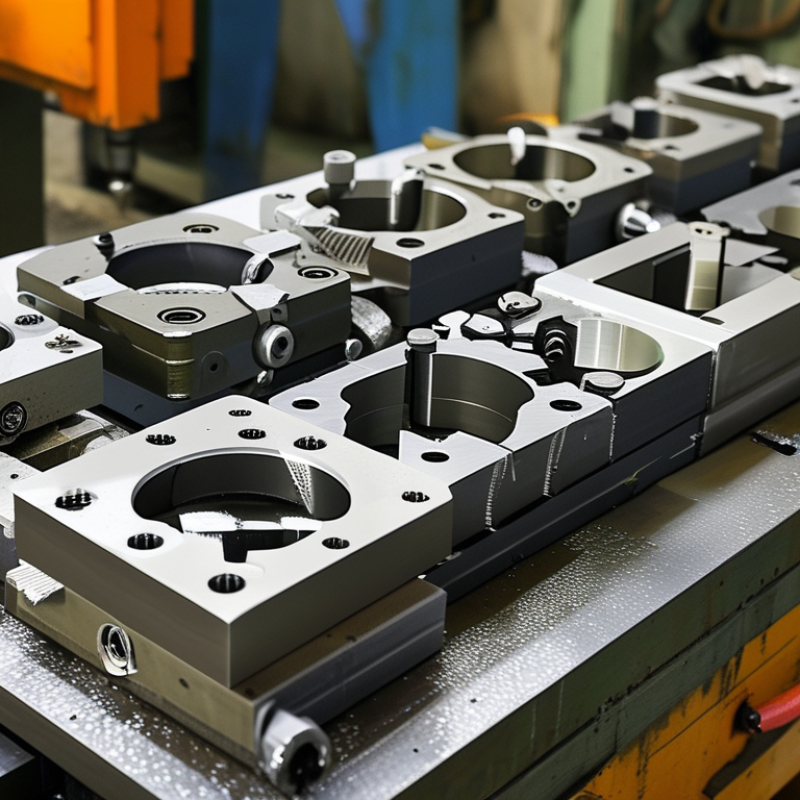
In manufacturing, part fixtures play a vital role. They ensure precision during the assembly or machining processes. A well-designed fixture can significantly reduce errors and increase efficiency. Understanding the importance of these tools is essential for achieving quality production.
Tips: Always assess your specific manufacturing needs before selecting a fixture. Consider material types and shapes you typically work with. Evaluate the production volume and complexity of parts, as each factor influences the ideal fixture design.
Another important factor is adaptability. A fixture should offer some flexibility, allowing you to accommodate new designs or minor changes without extensive rework. This adaptability can save time and resources in the long run. Remember, the wrong fixture could lead to more significant production issues.
Don’t overlook the significance of testing your fixture in real-world conditions. Sometimes, a fixture that seems perfect on paper can reveal flaws during operation. Be ready to make adjustments based on performance feedback. Consistent evaluation ensures the fixture meets your evolving manufacturing needs.
How to Choose the Right Part Fixture for Your Manufacturing Needs?
| Fixture Type |
Primary Use |
Material |
Accuracy |
Cost |
| Manual Fixture |
Assembly Operations |
Aluminum |
±0.01 mm |
$500 - $1,000 |
| Automated Fixture |
High Volume Production |
Steel |
±0.005 mm |
$5,000 - $10,000 |
| Custom Fixture |
Specialized Tasks |
Composite |
±0.01 mm |
$2,000 - $5,000 |
| Modular Fixture |
Adaptable Setup |
Aluminum and Steel |
±0.02 mm |
$1,000 - $3,000 |
Identifying Your Specific Manufacturing Requirements
Identifying specific manufacturing requirements is crucial when selecting part fixtures. Every manufacturing process has unique needs influenced by material types, production volumes, and precision levels. Research indicates that about 80% of manufacturing defects arise from improper fixtures. This underscores the importance of matching the fixture to your specific application.
Understanding the geometry of your parts plays a pivotal role. Complex shapes may require custom fixtures while simpler items can use standardized solutions. A report from the Manufacturing Institute states that investing in tailored fixtures can improve productivity by up to 25%. This improvement often results from fewer adjustments and increased accuracy.
Consider the fixture's capacity for repeatability. A fixture should reliably hold parts over multiple cycles. Inadequate fixtures can lead to a 15% increase in rework costs. Reflecting on fixture performance can uncover hidden inefficiencies. Manufacturers may find that what worked previously may not suit new demands or technologies. Identifying and revising these requirements over time ensures long-term success.
How to Choose the Right Part Fixture for Your Manufacturing Needs
This chart illustrates how different manufacturing requirements influence the choice of part fixtures in the industry. The data represents the percentage of manufacturers preferring each type of fixture based on their specific needs.
Evaluating Different Types of Part Fixtures
When it comes to manufacturing, choosing the right part fixture can significantly impact efficiency and precision. Different types of fixtures serve various purposes, each with unique characteristics. For instance,
dedicated fixtures are designed for specific parts. They provide high accuracy but lack versatility. On the other hand,
modular fixtures offer flexibility. They can be reconfigured for different jobs but may compromise on precision.
Another important category is inspection fixtures. These are used to check part conformity during production. Their design often emphasizes easy access to features needing measurement. However, reliance on them can sometimes omit critical steps in the quality assurance process. Understanding the trade-offs between these types of fixtures is vital. An improperly chosen fixture can lead to increased production costs and delays. Assessing your project requirements is crucial before committing to a specific type.
Overall, evaluating different part fixtures requires careful consideration. It’s not just about matching specifications. You must reflect on production needs, budget constraints, and future adaptability. Consider the long-term implications of your choice. Each fixture type has its strengths and weaknesses. A thorough understanding of these can lead to better manufacturing outcomes.
Assessing Material and Design Considerations
Choosing the right part fixture for manufacturing involves careful consideration of material and design. A report by the National Institute of Standards and Technology states that improper material choice can lead to up to 30% decrease in product quality. Factors like thermal stability and corrosion resistance are critical. For example, aluminum is lightweight and offers decent strength but may not suit high-temperature applications.
Design is equally important. The fixture must accommodate specific part shapes and weights. A study by the Society of Manufacturing Engineers indicated that 60% of fixtures fail due to poor design choices. This emphasizes the need for prototyping and testing. Consider weight distribution and attachment methods to avoid failures. Neglecting these elements can lead to increased costs and time losses.
Material selection should balance cost and performance. Understand the trade-offs between different materials. Steel may offer robustness but can increase overall weight. A recent industry survey found that 45% of manufacturers reported dissatisfaction with their material choices post-implementation. It’s a reminder that even experienced teams must reassess their decisions regularly.
Best Practices for Implementing Part Fixtures in Production
Implementing part fixtures in production requires careful consideration of various factors. According to a report by the National Institute of Standards and Technology, effective fixtures can improve manufacturing efficiency by 30% or more. This increase significantly reduces cycle times and enhances product quality. However, almost 20% of companies still struggle with fixture design, which leads to increased downtime and waste.
When selecting fixtures, consider the material and design specifications. Lightweight materials like aluminum can reduce the load on machines, allowing for faster operations. Yet, durability must not be compromised. A poorly designed fixture may lead to inaccuracies, costing a facility thousands in rework. Real-world cases show that investing in robust design upfront can yield returns in the long run.
Testing and validation of fixtures are essential steps. A survey from the American Society for Quality reveals that implementing a rigorous testing phase can eliminate 15% of potential production errors. Operators should be encouraged to provide feedback on fixture usability. This often-overlooked step can reveal design flaws and lead to continuous improvement. Don’t shy away from revisiting your design; perfection in manufacturing is often a process of iterative refinement.