What is the Best Assembly Fixture for Precision Manufacturing in 2026?
As precision manufacturing evolves, the importance of effective Assembly Fixtures has become undeniable. In 2026, manufacturers face challenges that demand innovative solutions. According to recent industry reports, nearly 70% of manufacturers identified assembly efficiency as a critical factor for success. A well-designed Assembly Fixture can dramatically enhance this efficiency.
Consider the specific requirements of modern production lines. Automation and technological integration are reshaping how we approach assembly processes. Fixtures must not only accommodate various components but also ensure precision and repeatability. Flaws in design can lead to costly errors, impacting overall productivity. An analysis by the Precision Manufacturing Association highlighted that defective assembly processes contribute to up to 30% of production waste.
With the looming advancements, choosing the best Assembly Fixture is crucial. Various materials and designs are available, but selecting the right one can be overwhelming. Often, businesses underestimate the significance of proper fixture design. Reflecting on past mistakes can guide future decisions. A careful examination of assembly needs will enable manufacturers to tailor fixtures effectively. Balancing cost, precision, and adaptability will remain pivotal in this ever-evolving landscape.
Understanding the Role of Assembly Fixtures in Precision Manufacturing
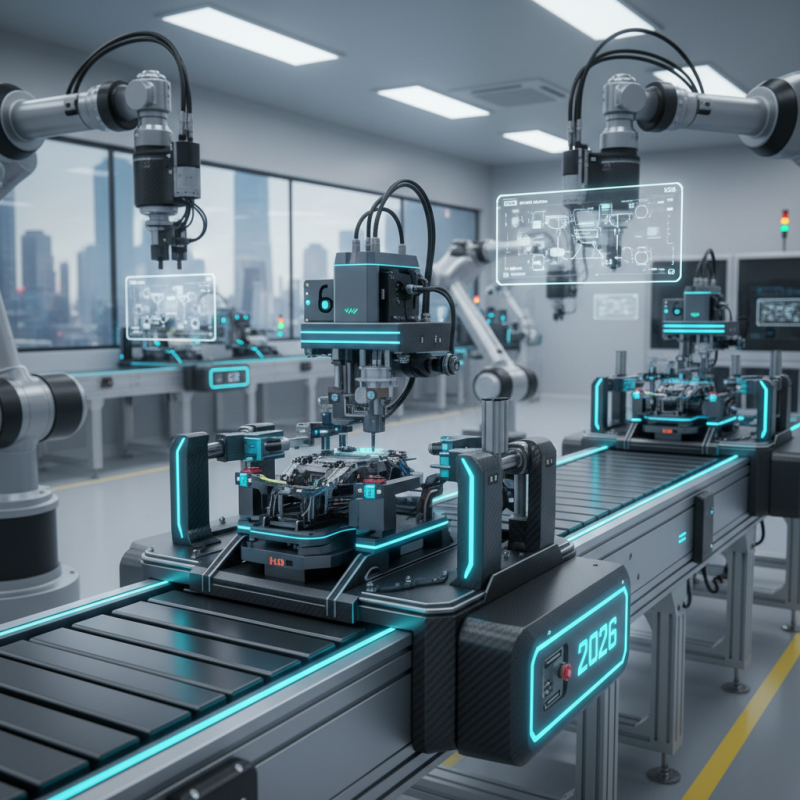
Assembly fixtures play a critical role in precision manufacturing. They ensure the accuracy of component alignment and enhance productivity. Recent reports show that up to 80% of manufacturing defects stem from improper tooling and fixture usage. Thus, the right assembly fixture can drastically reduce error rates and improve product quality.
In 2026, manufacturers will focus on smart fixtures that integrate advanced technologies. IoT and AI can provide real-time data, allowing for precise adjustments during assembly. However, it is essential to recognize that not all facilities are equipped to implement these technologies. Many face challenges in adapting to these innovations, leading to a significant gap in performance.
Moreover, the need for customized fixtures is rising. Standardized solutions may not meet the unique requirements of every production line. Unfortunately, this can result in inefficiencies in workflows. Understanding these nuances will be vital to maximizing fixture effectiveness. Precision in design and manufacturing processes often remains an area needing improvement.
Key Features of Optimal Assembly Fixtures for High-Volume Production
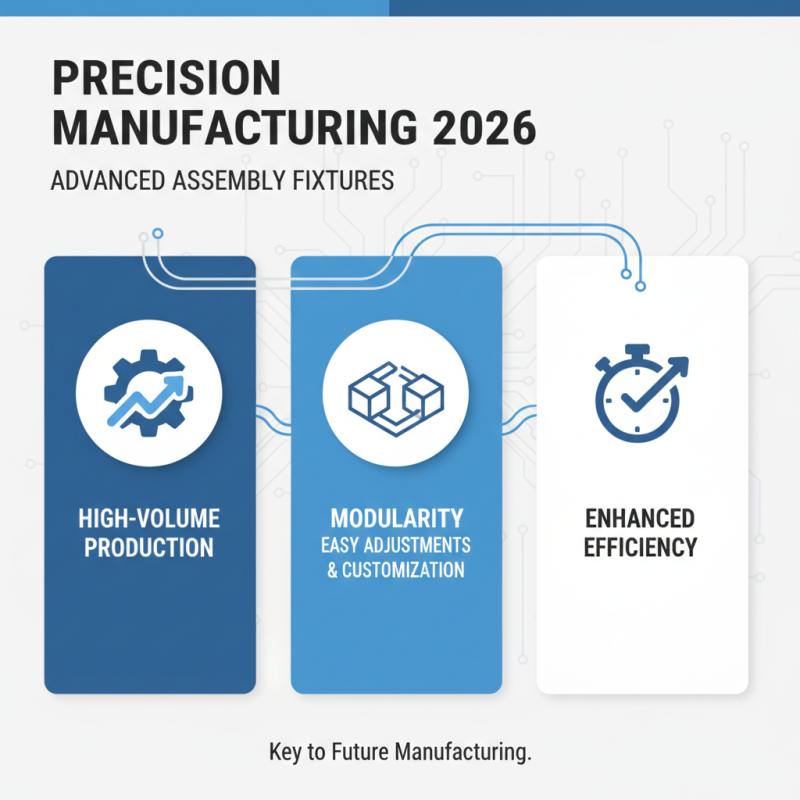
In 2026, precision manufacturing demands advanced assembly fixtures. These fixtures play a crucial role in high-volume production. A key feature is modularity, allowing easy adjustments and customization. This flexibility can enhance efficiency greatly.
Another important aspect is material quality. Using durable materials can reduce wear and tear over time. However, balance is essential. Heavier fixtures may increase stability but can hinder rapid adjustments. Finding the right weight is vital for optimal performance.
Lastly, technology integration remains paramount. Advanced sensors and automation can streamline operations. Yet, over-reliance on tech can lead to potential failures. Human oversight is often needed to maintain precision. It’s important to regularly evaluate the balance between automation and manual input for optimal results.
Materials and Technologies Shaping Assembly Fixtures in 2026
In 2026, precision manufacturing will evolve dramatically due to advances in materials and technologies used in assembly fixtures. Lightweight composites are projected to dominate the market, comprising over 35% of the materials utilized. These composites provide strength without adding excessive weight. This becomes crucial for automated systems where efficiency is key. The demand for such materials stems from the need for faster production times and increased precision.
Additive manufacturing plays a vital role in this shift. Approximately 25% of assembly fixtures will be 3D printed, allowing for complex geometries that traditional methods cannot achieve. This flexibility reduces the time from design to production. However, challenges persist. Quality control in 3D printing remains a crucial concern. Inconsistencies can lead to assembly errors and ineffective fixtures. Manufacturers need to ensure that their processes are robust and reliable to mitigate these risks.
Smart technologies are also transforming assembly fixtures. Sensors embedded in fixtures can provide real-time data on performance. About 15% of fixtures will integrate smart technology by 2026. While this data can enhance productivity, it also raises questions about security and data management. As more devices connect, vulnerabilities may increase. Companies must thoughtfully navigate these issues as they adopt new technologies and materials.
Market Trends: Demand for Precision Manufacturing Fixtures by 2026
In 2026, precision manufacturing fixtures will play a crucial role in various industries. The demand for these fixtures is on the rise. Industries are seeking improved accuracy and efficiency in assembly processes. This trend indicates a shift toward automation and advanced technologies.
Manufacturers are exploring innovative designs. These designs incorporate adjustable components for greater flexibility. However, challenges remain. Many fixtures may not meet the specific needs of different products. This can lead to inefficiencies and increased costs. Continuous improvement in fixture design is essential for a successful production line.
Another area of focus is material selection. Lightweight, durable materials are becoming more popular. Yet, balancing strength and cost is a persistent issue. Many companies struggle to find the right materials that meet both criteria. In the end, businesses must carefully analyze their options to ensure they invest wisely in fixtures that will enhance production quality and performance.
What is the Best Assembly Fixture for Precision Manufacturing in 2026? - Market Trends: Demand for Precision Manufacturing Fixtures by 2026
| Fixture Type |
Applications |
Market Growth Rate (%) |
Key Trends |
| Automated Assembly Fixtures |
Electronics, Automotive |
15% |
Increased automation and IoT integration |
| Modular Fixtures |
Aerospace, Medical Devices |
10% |
Flexibility for varying production runs |
| Custom Tooling Fixtures |
Manufacturing, Heavy Machinery |
12% |
Tailored solutions for specific tasks |
| Hybrid Fixtures |
Consumer Products, Furniture |
8% |
Combination of traditional and digital methods |
| 3D Printed Fixtures |
Rapid Prototyping, Small Batch Production |
20% |
Adoption of additive manufacturing technologies |
Cost-Benefit Analysis of Advanced Assembly Fixtures in Manufacturing
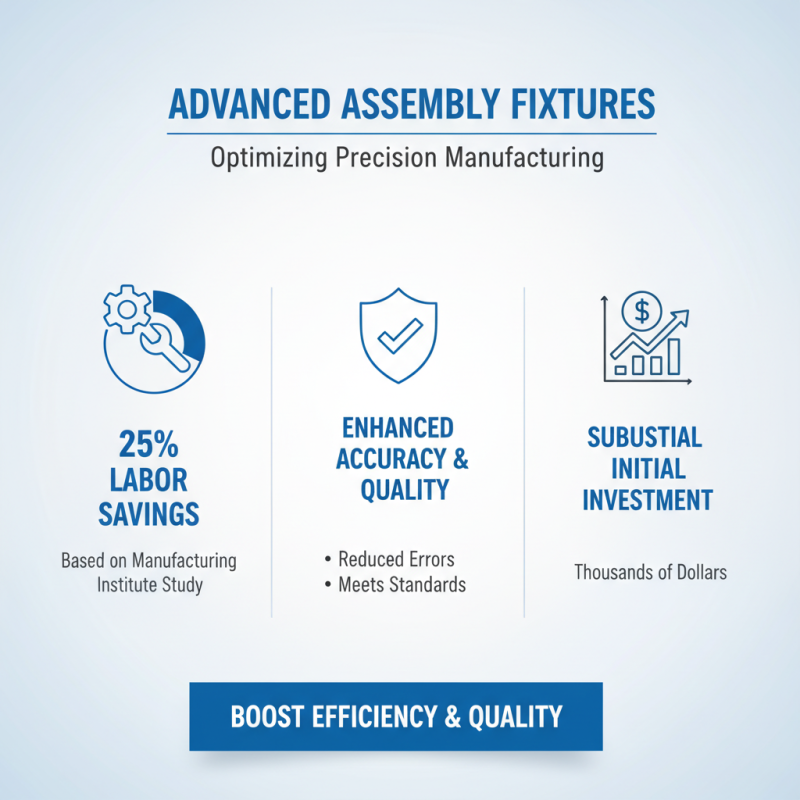
In the landscape of precision manufacturing, advanced assembly fixtures are crucial for optimizing operation efficiency. A recent study from the Manufacturing Institute suggests that companies adopting high-tech fixtures save 25% in labor costs. These fixtures enhance accuracy and reduce assembly errors, ensuring that products meet stringent quality standards. However, their initial investment can be substantial, often reaching thousands of dollars.
Evaluating the cost-benefit is essential. While advanced fixtures streamline workflows, they may require ongoing maintenance and calibration. The initial setup can often lead to unexpected delays. Companies must assess their production volume and the long-term return on investment. According to a report by Deloitte, businesses that proactively invest in automation and technology witness a 33% growth in productivity over five years. Yet, some manufacturers overlook these benefits due to the upfront costs and complexity.
Additionally, understanding the learning curve associated with new technology is vital. Employees may need training, which incurs extra expenses. Yet, the potential for reduced cycle times and increased output remains a significant incentive. It's a double-edged sword; the path to optimizing assembly processes can be fraught with challenges, but the rewards can also lead to a competitive edge in the industry.