Top Weld Fixture Tooling Solutions for Global Importers?
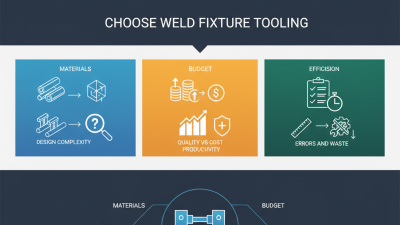
In the realm of industrial manufacturing, Weld Fixture Tooling plays a pivotal role. It ensures precision and efficiency in welding processes. For global importers, selecting the right tooling solutions can be a challenging task. Many factors must be considered, such as material compatibility and production volume.
Many companies may rush their decisions, often overlooking crucial specifications. This can lead to inefficiencies or even costly errors. Importers must rely on reputable suppliers who understand their unique needs. Knowledgeable providers can offer tailored Weld Fixture Tooling solutions. They bring years of expertise to the table, enhancing the overall welding operation.
Additionally, the landscape of welding technology is constantly evolving. Not staying updated can hinder competitive advantage. Importers should seek solutions that incorporate advanced design and durability. Finding high-quality tools at a competitive price is essential. Ultimately, the right Weld Fixture Tooling can lead to substantial improvements in productivity and outcomes.
Top Weld Fixture Tooling Solutions for Global Importers
Welding fixtures play a crucial role in manufacturing processes. Global importers seek efficient tooling solutions to enhance productivity. The right welding fixture increases accuracy and minimizes defects.
When selecting tooling solutions, consider the materials used. Quality materials ensure durability and longevity. Poor material choices can lead to frequent replacements, increasing costs. Always evaluate supplier credentials before making a decision.
Collaboration with experienced engineers is vital. They can provide insights on custom tooling based on specific needs. Employing standardized designs may seem cost-effective, but custom solutions often yield better results. Poor fit or inadequate design can lead to wasted resources.
Engage with experienced welders for hands-on perspectives. Their insights can guide decisions, ensuring the selected tooling supports production goals. Don’t overlook feedback from the shop floor; it is invaluable for continuous improvement.
Understanding Weld Fixture Tooling: Definition and Importance
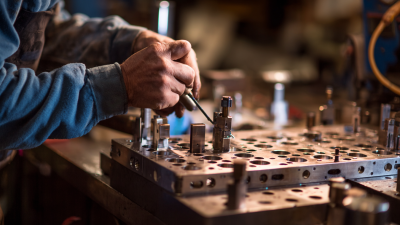
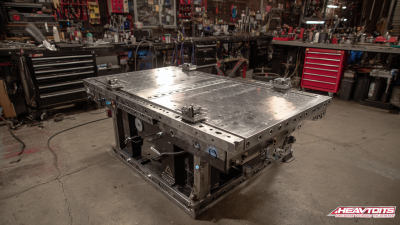
Weld fixture tooling plays a crucial role in the manufacturing process. It serves as a framework that holds components in place during welding. This positioning ensures accuracy and consistency, which are vital for high-quality outcomes. Without proper tooling, welds can become misaligned or weak, leading to potential failures.
The importance of weld fixtures extends beyond mere accuracy. They also enhance safety by securing parts, reducing movement during the welding process. In high-volume production settings, the right tooling can significantly improve workflow efficiency. However, not all fixtures are created equal. Companies often encounter challenges in selecting the right solution, which can reflect their commitment to quality. Tooling must be adaptable to various projects, ensuring reliability across diverse applications.
Furthermore, the evolving landscape of manufacturing demands innovation in weld fixture design. Importers must consider materials, costs, and durability while assessing tooling solutions. Reflection on past experiences often highlights the need for continuous improvement. There is always room for optimization, whether through refining designs or updating technologies. The journey toward effective weld fixture tooling is ongoing and requires careful collaboration and decision-making.
Top Weld Fixture Tooling Solutions for Global Importers
This chart illustrates the market demand for different types of weld fixture tooling solutions among global importers, highlighting the preferences for custom fixtures over standard and automated options.
Key Features to Look for in Weld Fixture Tooling
When evaluating weld fixture tooling solutions, several key features stand out. Precision is paramount. High-quality tooling must ensure accurate alignment and repeatability. Studies show that precision in welding fixtures can reduce errors by up to 25%. Importers should seek tools that incorporate advanced technologies to enhance accuracy.
Another critical feature is durability. Quality weld fixtures must withstand harsh environments and repeated use. Reports indicate that weld fixtures with robust materials last at least 30% longer than cheaper alternatives. Understanding the materials used is vital for long-term investment. Yet, many buyers overlook this aspect, which can lead to unexpected costs.
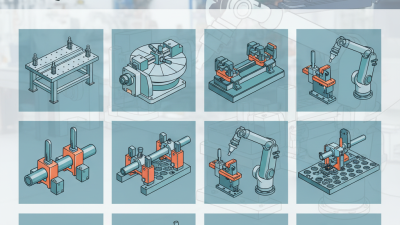
Flexibility is equally important. Importers increasingly need systems that can adapt to various projects. Versatile tooling can accommodate different sizes and types of components. This adaptability can improve workflow efficiency by reducing changeover times. However, achieving this flexibility often leads to compromises in other areas, requiring careful consideration.
Top Manufacturers of Weld Fixture Tooling Solutions Worldwide
In the global market, weld fixture tooling solutions play a crucial role in the manufacturing sector. Efficient fixtures ensure consistent quality and precision in welds, which is paramount for various industries. According to a recent industry report, the global welding fixtures market is projected to reach $2.5 billion by 2025, showcasing significant growth in demand.
Key manufacturers in this field focus on innovation and technology. They utilize advanced materials and processes to enhance the durability and effectiveness of their tools. A study suggested that integrating automated solutions can increase productivity by up to 30%. This shift towards automation is shaping the future, pushing companies to adapt or risk falling behind.
However, challenges persist. The complexity of creating customized solutions can lead to increased costs and longer lead times. Some manufacturers struggle with balancing quality and affordability. Continuous research is necessary to overcome these hurdles and meet the growing needs of global clients. The emphasis on developing eco-friendly tooling options is also rising, reflecting a broader industry trend toward sustainability.
Cost Considerations for Global Importers of Weld Fixture Tooling
Cost considerations for global importers of weld fixture tooling are paramount to achieving efficiency and profitability in operations. Recent industry reports indicate that 25% of importers cite rising material costs as a significant concern. These fluctuations in raw material prices can directly impact the overall expenses associated with tooling. For instance, steel prices have soared over the past year, creating added pressure on manufacturers to adjust their pricing strategies. Such shifts highlight the need for importers to rigorously evaluate their supply chains.
Additionally, labor costs remain a crucial factor in tooling expenses. Approximately 40% of industry leaders prioritize labor efficiency when budgeting for weld fixtures. Subpar training or a lack of skilled workers can lead to higher rework rates and wasted materials. Such inefficiencies call for a more critical look at workforce development programs. Importers may need to invest in better training to ensure that their teams can operate tooling effectively, minimizing costs in the long run.
Finally, transportation costs are increasingly affecting the pricing of weld fixture tooling. As global shipping logistics evolve, costs can vary dramatically based on distance and mode of transport. Reports show that shipping costs rose by 30% last year. Importers must remain agile, exploring local sourcing options to mitigate these expenses. Keeping abreast of these financial aspects is vital for importers looking to stay competitive in a dynamic global market.
Conclusion
Weld Fixture Tooling plays a crucial role in the manufacturing and assembly processes, providing essential support during welding operations. Understanding the significance of these tools is vital for global importers, as they ensure accuracy and efficiency in production. Key features to consider include durability, precision, and adaptability to various welding techniques. Additionally, cost considerations can significantly impact investment decisions, making it essential for importers to balance quality with affordability.
As the industry evolves, innovation trends in Weld Fixture Tooling are paving the way for smarter, more automated solutions. Manufacturers worldwide are focusing on enhancing functionality while reducing operational costs, which is increasingly important for global competition. By staying informed about these developments, importers can make strategic decisions that promote long-term success and efficiency in their operations.