Choosing the right Holding Fixtures in 2026 starts with the part, not the catalog. A thin aluminum housing, for example, can flex under clamping pressure even when its outer dimensions look simple. A steel bracket may need less support, but still shift during drilling if the contact points are poorly placed. These details affect accuracy, cycle time, tool access, and operator safety. Small differences matter.
This guide explains how to match fixture design to real production needs. It considers workpiece shape, material, tolerances, machining forces, changeover frequency, and available floor space. It also looks at manual, modular, pneumatic, and automated options, without assuming that the newest system is always the best one. A well-designed fixture should locate parts consistently, hold them securely, and allow chips or coolant to clear. It should also be practical to inspect and maintain.
The right choice depends on the whole setup. A fixture that performs well on one machine may obstruct a toolpath on another. Budget matters, but so do setup minutes, scrap rates, and the cost of replacing worn components. Ask for drawings, load details, and repeatability data before committing to a design. Then test the fixture with representative parts. Real parts can expose awkward access or uneven contact that a drawing misses. No checklist replaces that trial. It is easy to overlook a small constraint, and that is worth admitting. The sections ahead provide a clear way to compare options and make a decision you can verify on the shop floor.
How to Choose the Right Holding Fixtures in 2026?
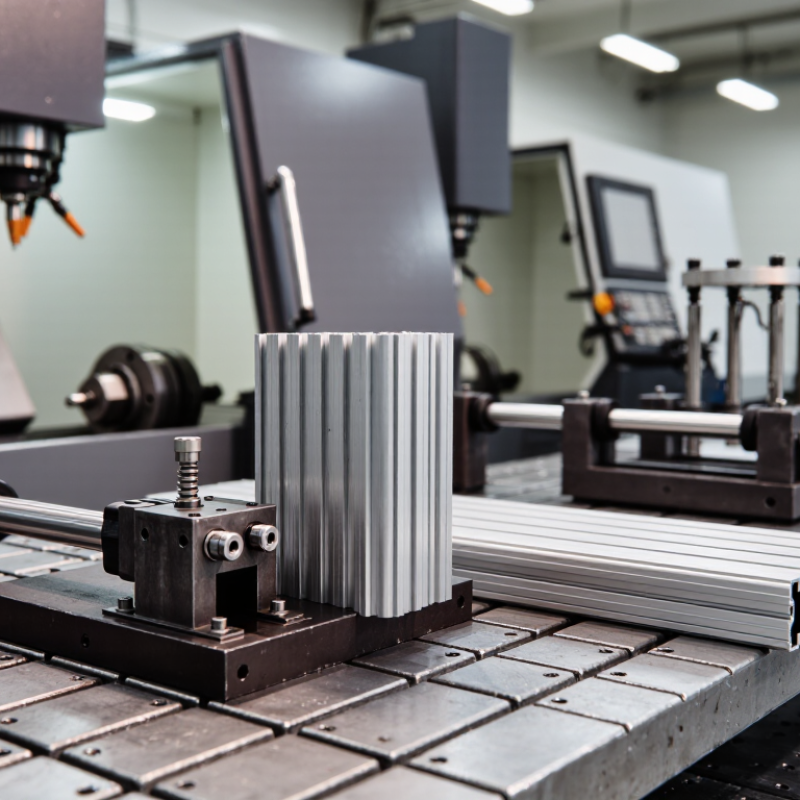
Holding fixtures locate and secure a workpiece during machining, welding, inspection, or assembly. Unlike a jig, which can guide a cutting tool, a fixture mainly keeps the part steady and correctly positioned. Think of a steel bracket clamped against two locating pins: the pins set its position, while the clamps resist cutting forces. That simple arrangement can reduce movement and make repeated operations more consistent.
A suitable fixture matches the part’s shape, material, tolerance, and process forces. It should leave room for tools, probes, chips, and coolant, while allowing operators to load and release parts without awkward reaches. Modular designs can help when product dimensions change, but extra adjustability may add setup time. Small detail. It matters. In 2026, sensors may confirm clamping or part presence, yet they cannot compensate for poor locating surfaces or a weak setup.
Safety deserves equal attention. The U.S. Bureau of Labor Statistics reported a 2023 total recordable injury and illness rate of 2.8 cases per 100 full-time workers in manufacturing. This figure does not measure fixture performance, but it underscores why stable workholding and clear loading procedures matter. A fixture should hold reliably without forcing excessive hand pressure or creating pinch points. In practice, the “best” design is not always the most elaborate one. I would still question a fixture that works perfectly for one sample but becomes difficult to clean or load during a full shift.
| Fixture Type | How It Locates and Holds the Workpiece | Common Applications | Key Advantages | Main Considerations | Best Suited For |
|---|---|---|---|---|---|
| Machine vise | Fixed and movable jaws grip the sides of a part; parallels or stops can support and position it. | Milling, drilling, and general-purpose machining of prismatic parts. | Quick to set up, reusable, and suitable for a wide range of workpieces. | Jaw pressure can distort thin parts; the part must be seated consistently against the locating surfaces. | Short runs, prototypes, and regularly shaped components. |
| Strap or toe clamp fixture | Clamps press the workpiece against a machine table, fixture plate, or locating stops. | Milling and drilling of large, irregular, or low-profile parts. | Flexible setup and access to a broad range of workpiece sizes. | Clamps require setup space and must be positioned to avoid tool paths and workpiece movement. | Large parts, one-off jobs, and workpieces that do not fit a standard vise. |
| Modular fixture | Reusable base plates, supports, locators, and clamps are assembled to suit the part. | Machining and inspection of families of parts with changing setups. | Components can be rearranged and reused, reducing the need for a dedicated fixture for each part. | Setup accuracy depends on correct assembly, clean locating surfaces, and secure connections. | Repeat jobs with design variations or frequent product changes. |
| Dedicated fixture | Part-specific locators and clamps position and restrain a particular workpiece or part family. | Repeated machining, drilling, assembly, or inspection operations. | Can provide repeatable positioning and simplify loading for recurring production. | Requires design and build effort; changes to the part may require fixture modification. | Stable, repeated production where consistent setup is important. |
| Collet or chuck | Radial gripping surfaces hold round or rotationally symmetric stock around its outside or inside diameter. | Turning, grinding, and other operations on cylindrical components. | Provides concentric gripping when the workpiece and gripping surfaces are suitable. | Grip range and contact geometry are limited; clamping force must suit the part material and wall thickness. | Bars, shafts, tubes, and other round components. |
| Vacuum fixture | Vacuum pressure holds a workpiece against a sealed support surface. | Routing, trimming, and machining of flat sheet or plate materials. | Can hold broad, thin workpieces without conventional clamps across the working face. | Needs an adequate seal and sufficient holding force; porous, warped, or heavily interrupted surfaces can reduce effectiveness. | Flat panels and sheet materials with suitable surface area and sealing conditions. |
| Magnetic chuck | Magnetic force holds a compatible ferromagnetic workpiece against the chuck face. | Surface grinding and selected machining operations on flat steel or iron parts. | Provides unobstructed access to much of the workpiece surface. | Does not hold non-magnetic materials; part thickness, contact area, surface condition, and cutting forces affect suitability. | Flat ferromagnetic parts used in operations compatible with magnetic holding. |
| Soft jaws | Machinable jaw inserts are cut to match the workpiece profile and grip it in a vise or chuck. | Repeat machining of shaped parts or delicate components requiring broader contact. | Custom contact surfaces can improve support and reduce marking compared with standard jaws. | Jaws must be machined and aligned for the setup; they wear and may need to be remade. | Repeated batches of shaped parts or workpieces needing tailored support. |